

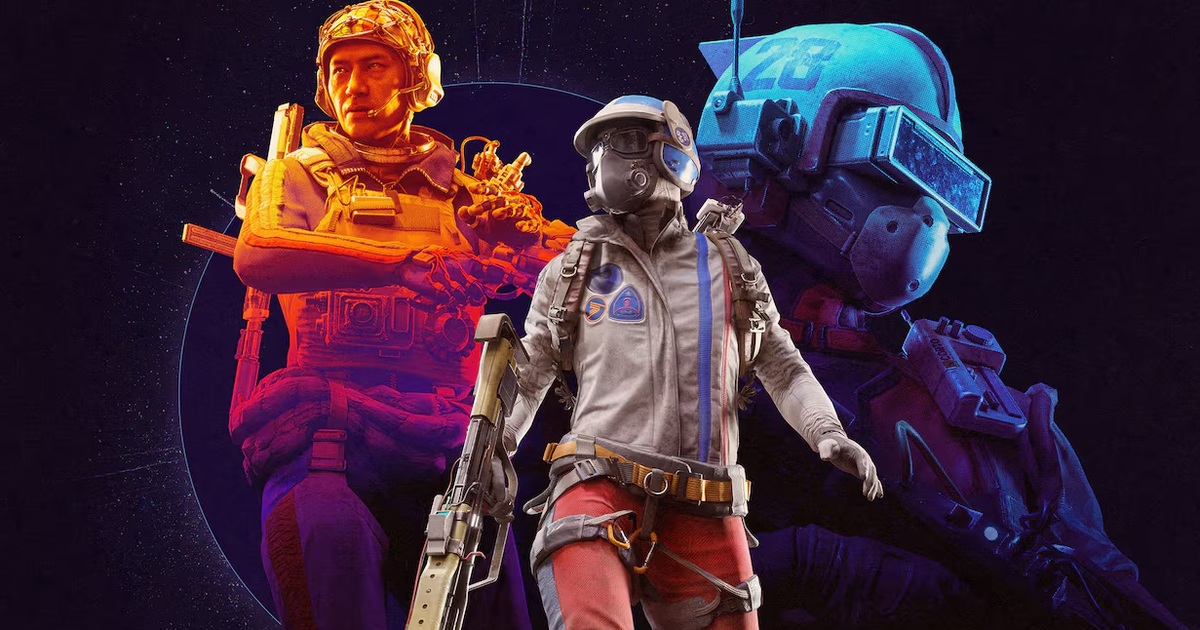
In Arc Raiders, players navigate a robot-dominated Earth, scavenging for resources. A seemingly simple task, like finding apricots for a demanding chicken, can lead to unexpected encounters. One such expedition involved spotting three heavily armed individuals over a sand dune.
Arc Raiders review
- Developer: Embark Studios
- Publisher: Embark Studios
- Platform: Played on PC
- Availability: Out now on PC (Steam, Epic), PS5, Xbox Series X/S
Despite being outnumbered, the encounter took an unexpected turn. Instead of hostility, a friendly ‘Hey dude’ diffused the situation. The group passed by, with one player humorously stating they were also searching for lemons, another item desired by the game’s quirky chicken.
These types of interactions are central to Arc Raiders’ appeal, contributing to its unique community culture. In a world where players typically compete for resources, instances of de-escalation, truce, and cooperation are surprisingly common.
While cooperative behavior has appeared in survival shooters since DayZ, Arc Raiders stands out for its prevalence. The game has even seen friendly players criticize others for engaging in hostile actions, despite the game’s inherent design allowing for such conflict.
This cooperative atmosphere likely stems from a combination of factors, including a general trend towards co-op games and the tendency for solo players to be more amicable. However, it is also a direct result of Arc Raiders’ core design.
The game follows the standard extraction shooter format: players, alone or in teams of up to three, deploy onto expansive maps. Their goal is to gather valuable items and extract to the underground city of Speranza using various escape routes. Collected resources are then used to craft or purchase better gear for subsequent runs.
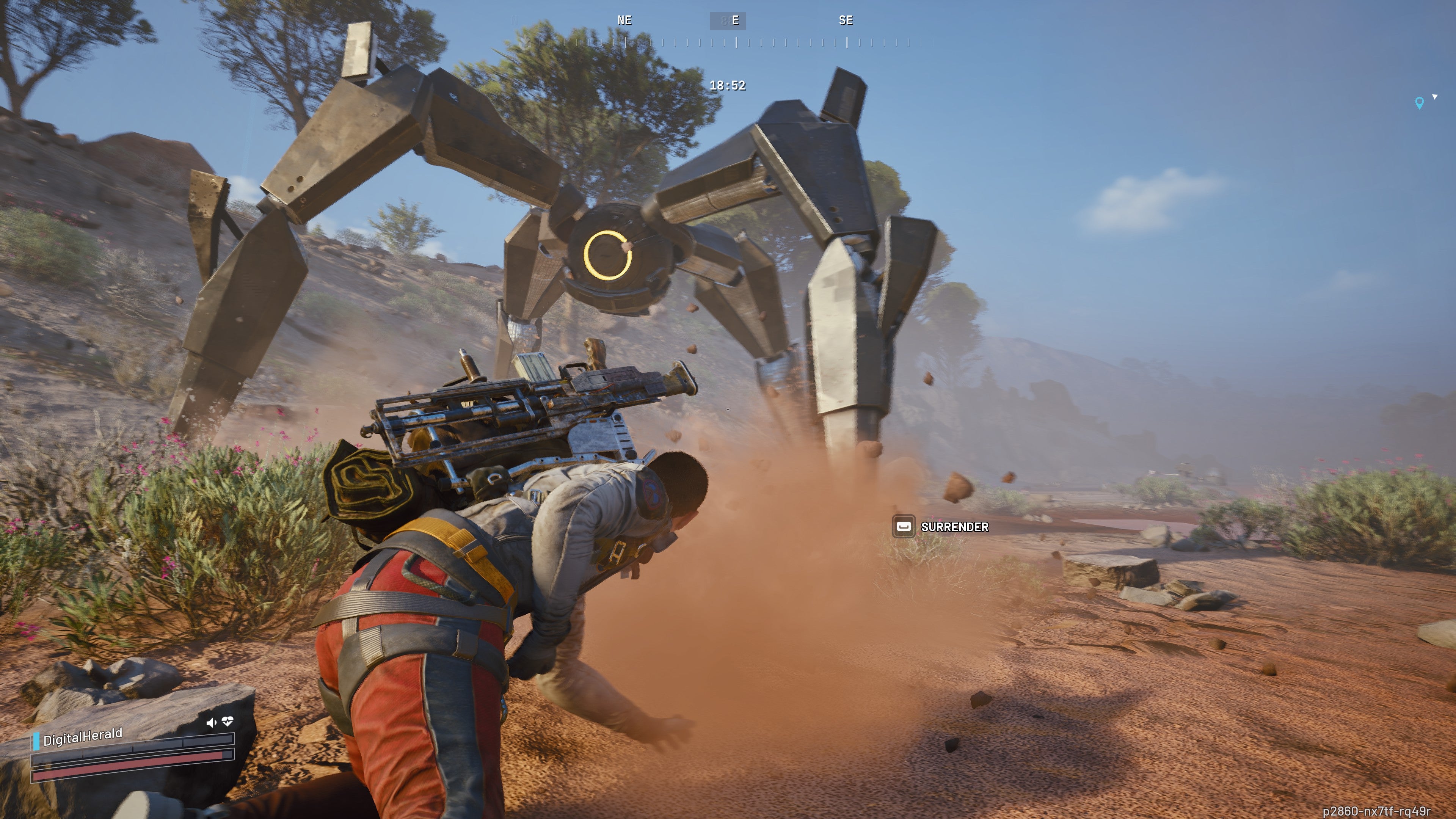
Each session on the surface is filled with tension, not just from other players, but primarily from the Arcs themselves. These robots, varying from small drones to massive mechanical spiders, pose a significant threat, capable of quickly eliminating unprepared players.
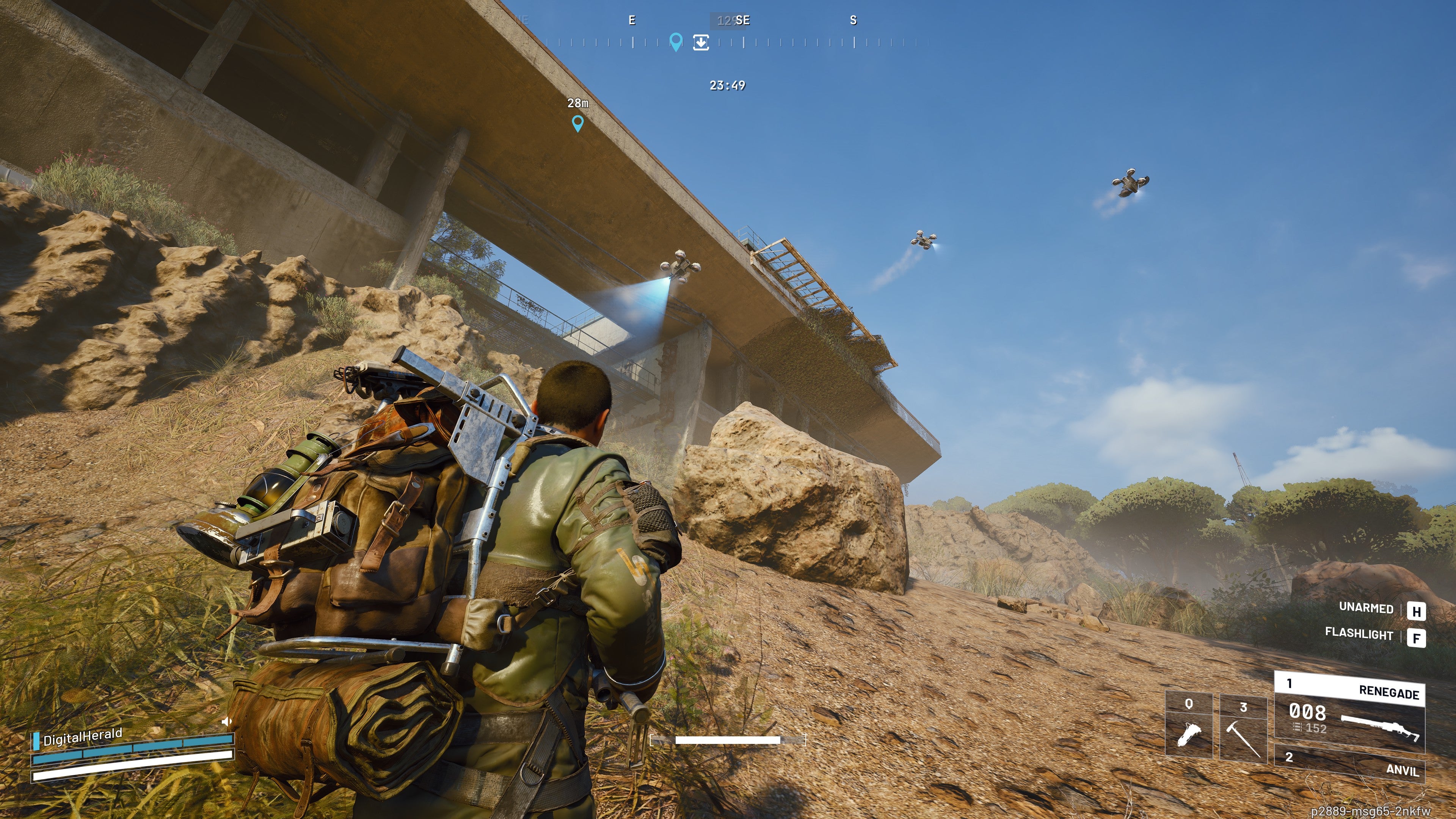
The Arcs exhibit clever design, both individually and as a collective force. Enemies like Wasps and Hornets challenge the notion that flying foes are unengaging, offering deceptive resilience and predictable yet deadly attacks. Additionally, rolling explosive or flame-spitting traps hidden within buildings add a layer of danger to indoor exploration, with their explosions alerting nearby players.
The collective strength of the Arcs makes them particularly hazardous. Any sound, such as gunfire, activating an extraction point, or even a hard landing, can draw their attention. Certain Arcs, like the Snitch, are designed to summon reinforcements, making their swift elimination crucial when their searchlight turns red.
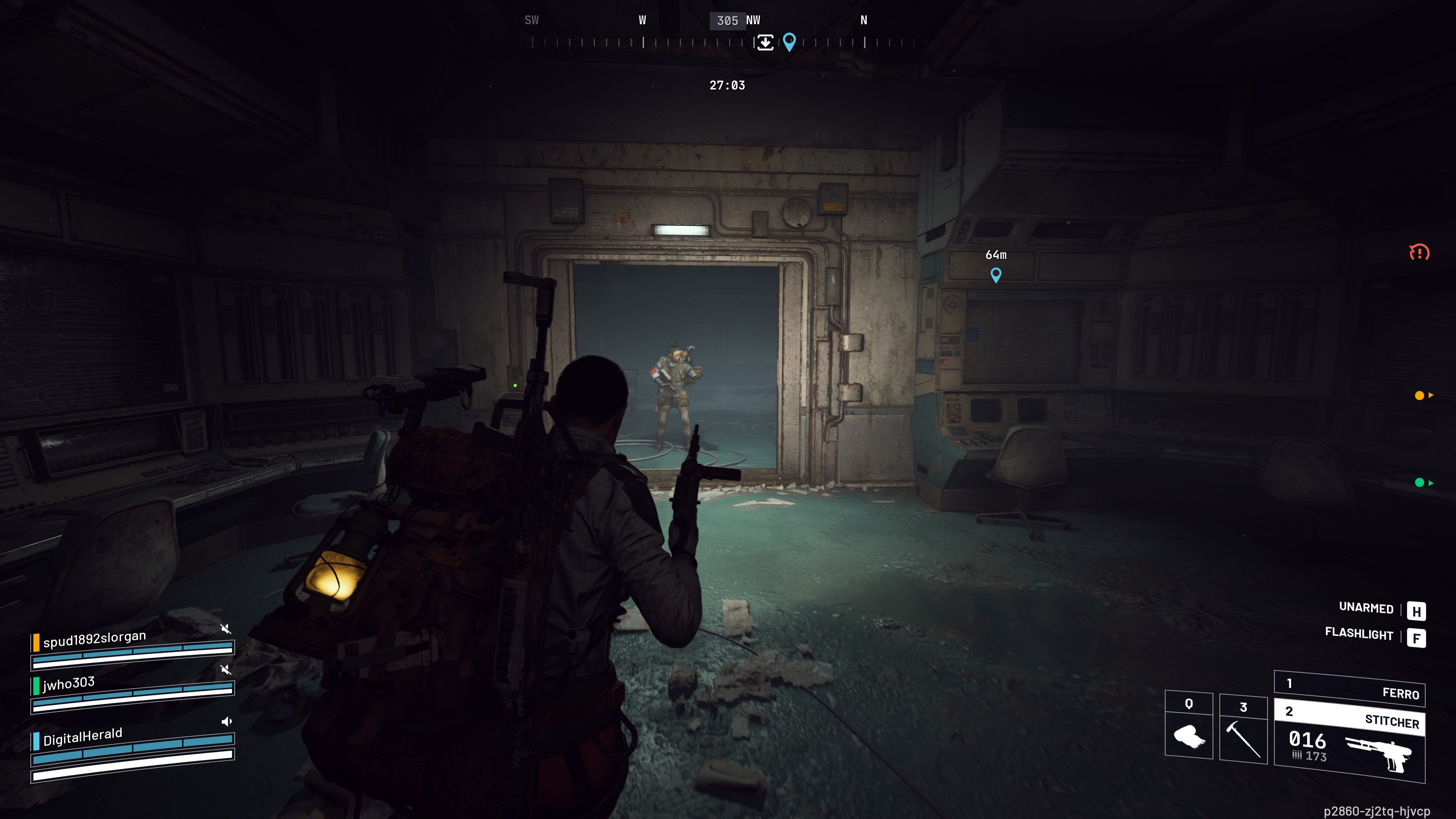
The constant threat from Arcs adds a strategic layer to player-versus-player engagements, requiring careful consideration. Larger Arcs, including leapers, bastions, and the formidable Queen, often necessitate teamwork to defeat. This implicitly encourages cooperation, further aided by the game’s ‘Don’t Shoot!’ voice command, which allows players to de-escalate situations and potentially form temporary alliances.
This is how Arc Raiders cultivates a more amicable extraction experience. However, the presence of hostile players is equally crucial. Those who ambush, snipe, or booby-trap extraction points are essential to the game’s dynamic, providing the contrast that makes moments of player mercy truly impactful. Without the threat, the choice not to kill would lose its significance.
Even during player-versus-player combat, Arc Raiders maintains a less cutthroat feel than many other extraction shooters. The third-person perspective reduces the likelihood of ambushes, and the universal energy shield often prevents instant kills, allowing for counterplay. Combat mechanics, such as slow reloads, health regeneration, and the absence of a deployable hotkey, promote more strategic engagements.
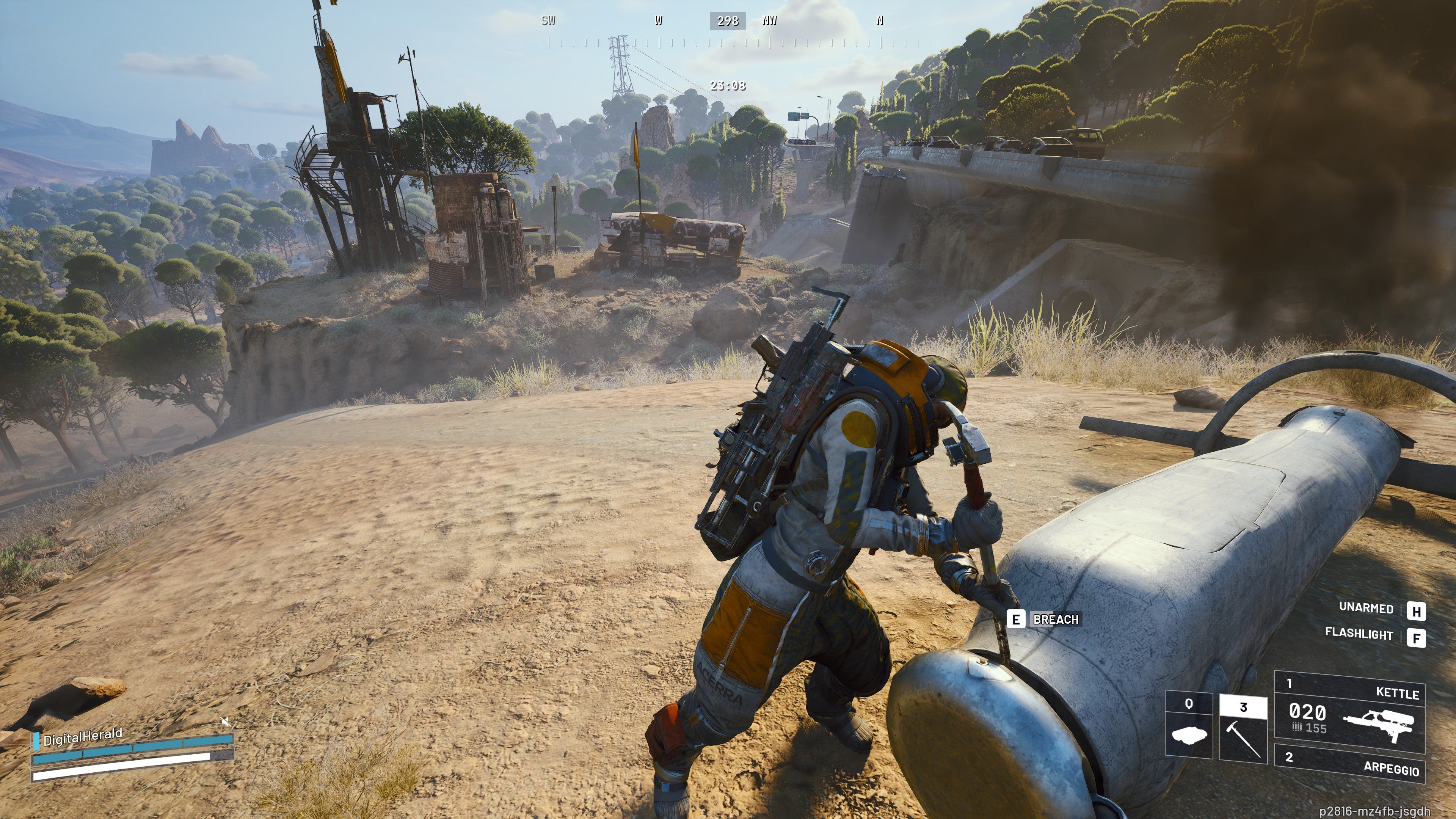
The game effectively integrates players into its loot cycle, making every collected item feel purposeful. The crafting system necessitates building and upgrading workbenches, driving the search for various obscure components. Trader missions, while not narratively groundbreaking, serve as useful guides to loot locations across the expansive maps. Improved objective markers would enhance the experience, preventing lengthy searches for small items.
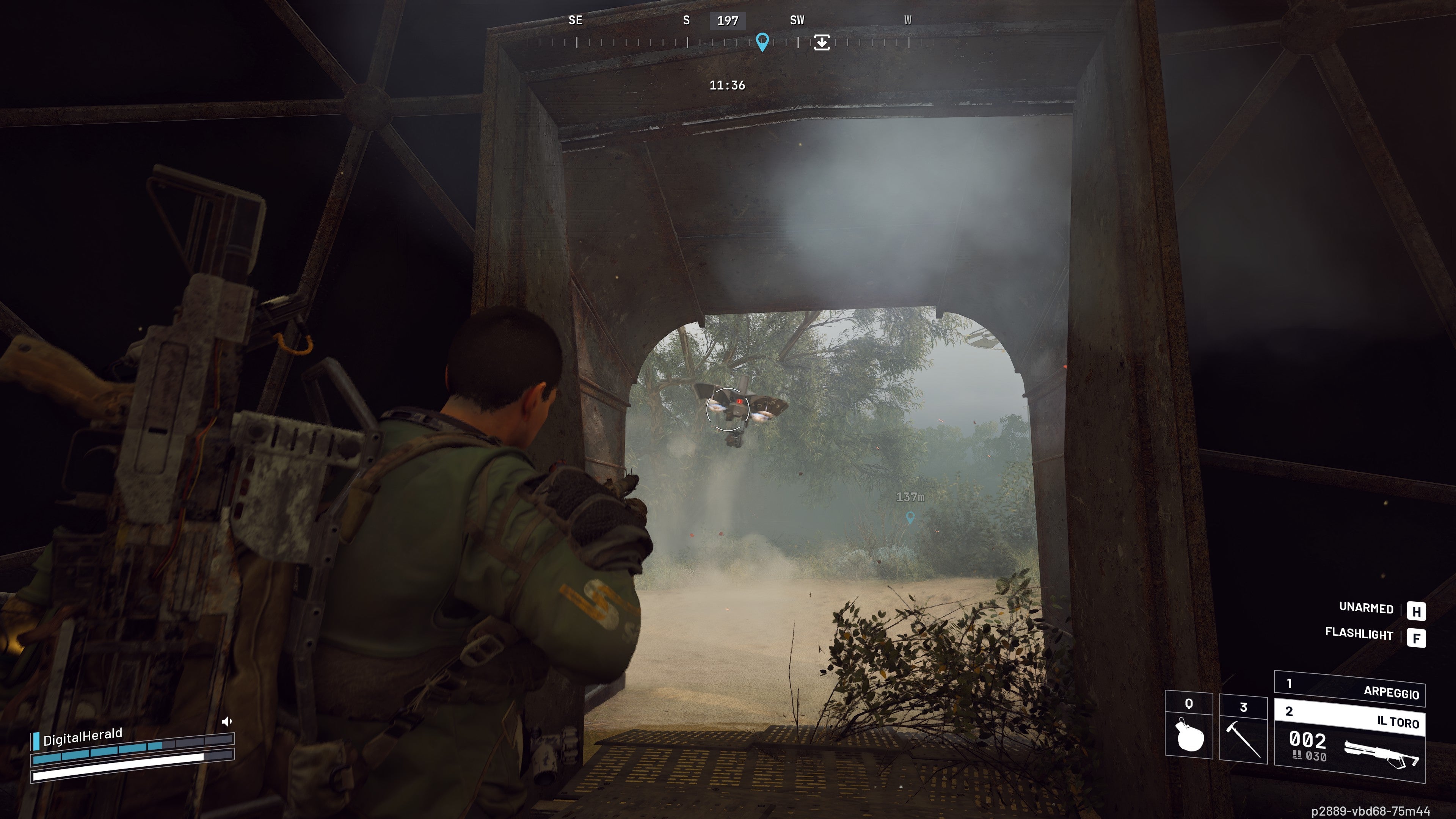
Despite the fluctuating fortunes of gear acquisition, Arc Raiders ensures players always have a starting point. A free, randomized loadout is available for those low on supplies or seeking a low-risk run. Furthermore, Scrappy, a unique cockerel, passively generates basic crafting resources, with his efficiency boosted by finding various items, including apricots.
Similar to Embark’s prior title, The Finals, Arc Raiders showcases thoughtful design. However, this design is overshadowed by the use of AI. Specifically, Arc Raiders employs machine-learning algorithms for its Arc animations and text-to-speech generated voice performances, derived from real actors’ voices.
While the use of AI in game development raises concerns, it’s important to distinguish between the techniques. Embark Studios has argued that their text-to-speech (TTS) method differs from generative AI tools, though this distinction is not always convincing.
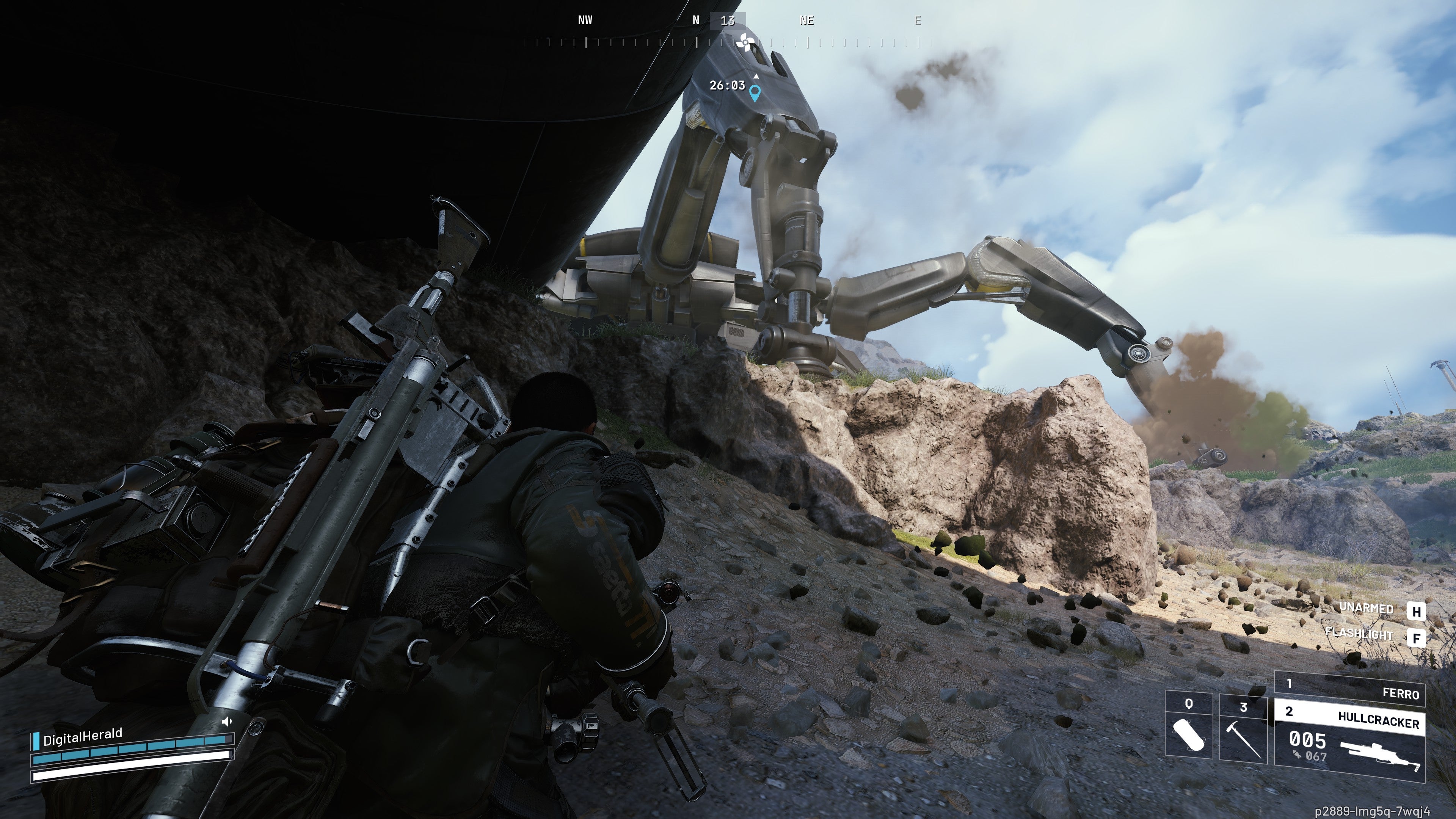
Machine learning in video games is not a new concept, with early experiments dating back to titles like Black & White. The Arcs’ animations, including their environmental adaptation and reactions to damage, utilize similar principles to Black & White’s Creature AI. Embark has used reinforcement learning to develop emergent behaviors in enemies, allowing for realistic movement and responses to terrain and player actions. This technology is intriguing, and its in-game results are quite effective.
In contrast, Embark’s generated voice lines are notably underwhelming, detracting from the overall experience. Although speaking roles are primarily confined to traders (with player characters using emotes and pings), their voices often sound flat and devoid of emotion, occasionally revealing their artificial origins through odd inflections. It is noteworthy that the game’s most memorable character is a non-speaking rooster.
Embark justifies its use of AI voices by citing faster implementation, allowing new lines to be generated in hours rather than requiring extensive re-recording and actor hiring. However, given that NPC voices are not a central element of the game, this argument seems weak. Even with its success, the studio could easily afford human voice actors, which would likely result in more engaging characters.
The question arises whether the limited use of AI voices significantly compromises the game. Upon reflection, it appears that this practice does indeed compromise Arc Raiders, both ethically and artistically.
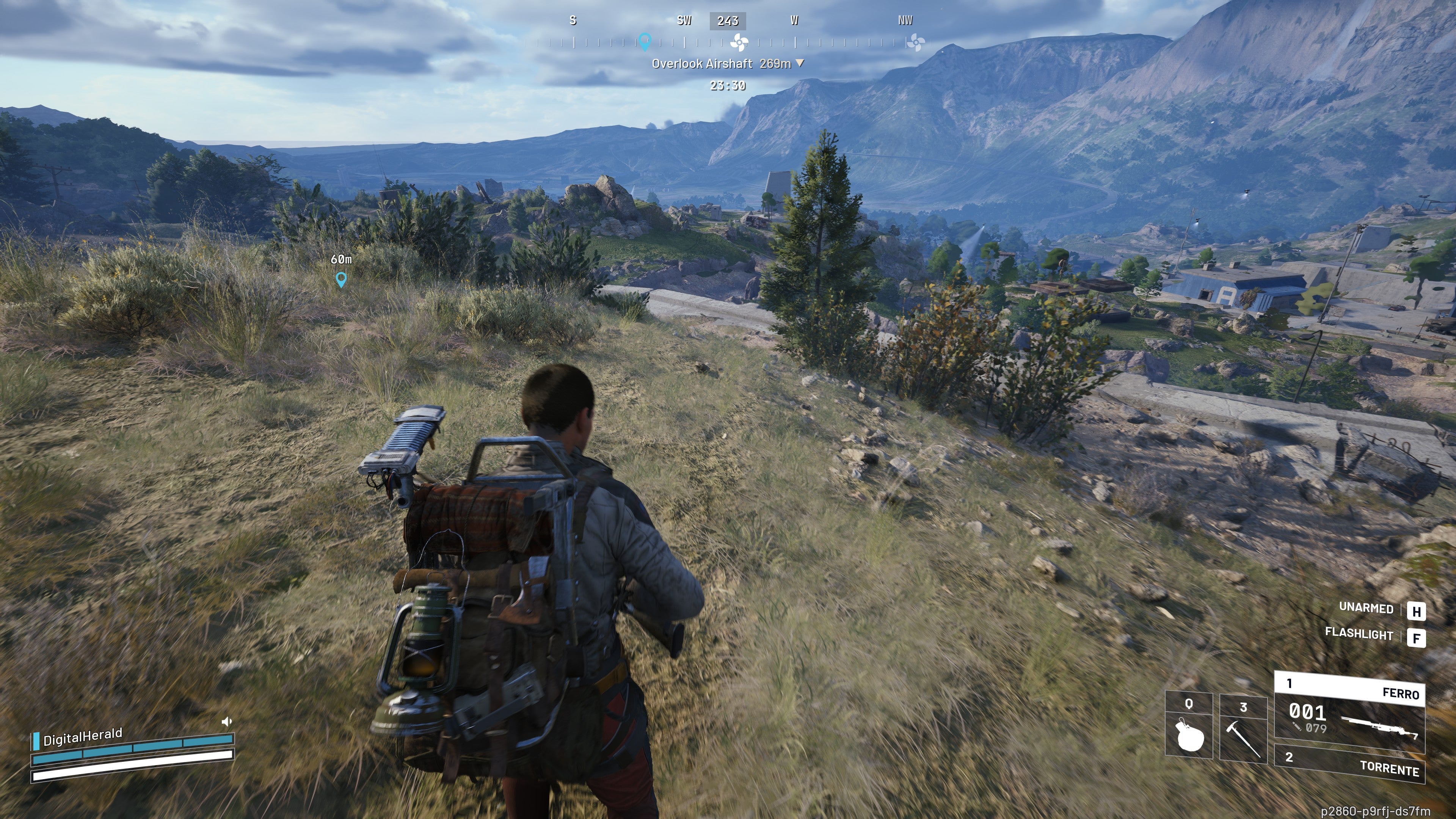
Consider the game’s premise: humanity forced underground by hostile robots. The stark contradiction between this theme and the use of AI to replace human voice actors in its creation is striking. It suggests a profound lack of awareness, or perhaps deliberate disregard, for the game’s own narrative implications.
Arc Raiders accessibility options
Colourblind modes and font size options. Toggle to move crosshair when line of fire is blocked. Toggle smooth move when line of fire is blocked. Crosshair shape settings and RGB sliders.
A significant part of Arc Raiders’ appeal comes from authentic human interactions. The memorable encounter with the ‘Looking for Lemons’ player, for instance, was impactful not just for the words spoken, but for the unique, cheerful, and goofy delivery. This distinctiveness, akin to a specific actor’s iconic line delivery, highlights the irreplaceable quality of human vocal performance.
While Arc Raiders has fostered countless human interactions, Embark’s use of AI voices becomes more problematic in this context. The studio profits from the game’s human-centric social dynamics while simultaneously devaluing human creative input in its production process, effectively dissecting and reassembling human voices. This demonstrates a lack of artistic integrity that is difficult to overlook. Despite its clever design, the game cannot be recommended due to Embark’s apparent disregard for the very essence that makes it unique.
A copy of Arc Raiders was provided for this review by Embark Studios.
