

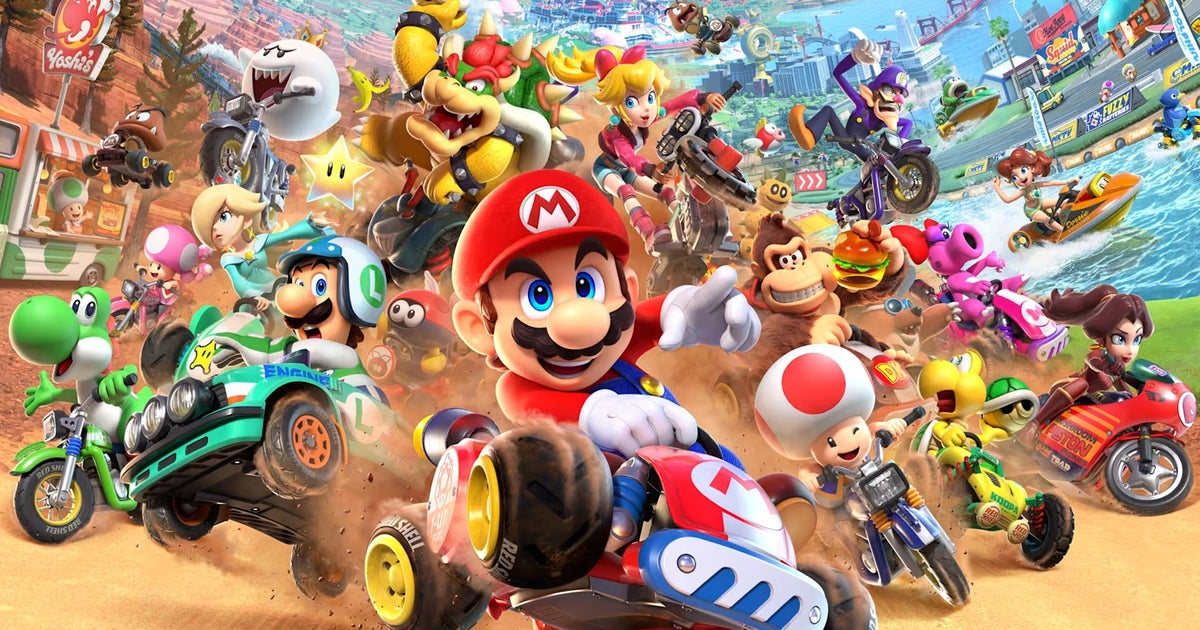
Mario Kart World introduces innovative twists to the classic Mario Kart formula, though its open-world aspirations are somewhat hindered by Nintendo’s characteristic design choices.
The concept of a new Mario Kart title serving as the primary launch game for a new console can be seen as unusual. While the series is widely enjoyed and accessible, making it a consistent success, some might argue it functions better as a complementary experience rather than the sole flagship title for a console like the Switch 2, where Mario Kart World must fulfill both casual and core gaming needs.
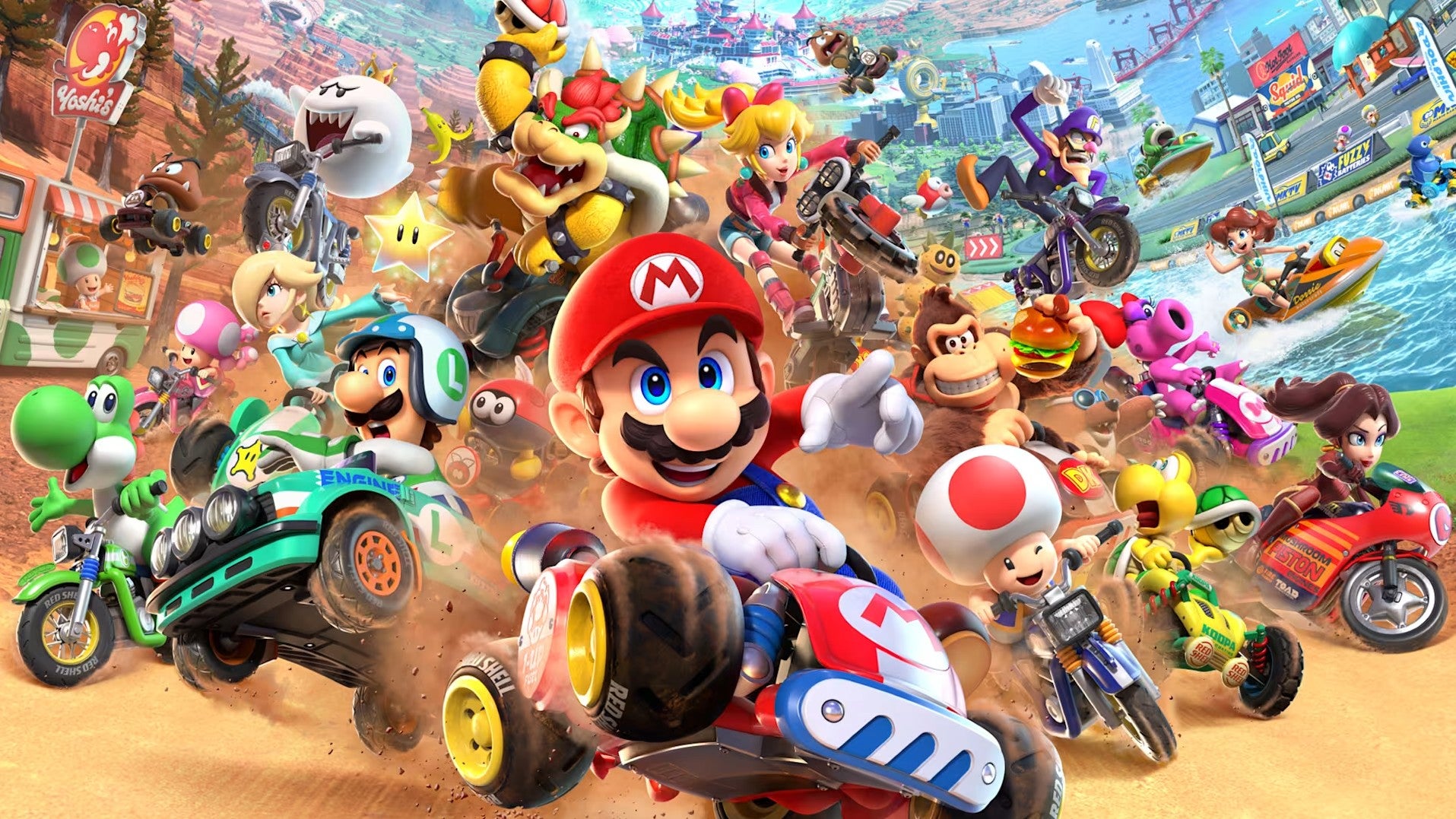
Mario Kart World Overview
- Developer: Nintendo
- Publisher: Nintendo
- Platform: Switch 2
- Availability: Released 5th June on Switch 2
Upon starting Mario Kart World, players might initially perceive minimal changes from Mario Kart 8 Deluxe. Familiar options are presented, and while deeper exploration reveals more, the advertised open world isn’t immediately prominent. Accessing the Free Roam world, for instance, can be done by pressing the + button on the main menu, but this isn’t overtly highlighted, which is surprising given its central role in the game’s overall design.
Before delving into the Free Roam mode, it’s worth examining the more traditional Mario Kart elements, which are now presented with a distinct approach. For decades, the Mario Kart series has featured a Grand Prix mode. This core offering typically involved competing across four tracks against AI opponents, with the highest-scoring player winning the cup. Mario Kart World reinterprets this established format.
In Mario Kart World, the Grand Prix mode could easily be renamed “Road Trip.” Each cup consists of four “tracks,” but a significant change is how these tracks seamlessly connect. The first race unfolds traditionally, with a set number of laps. However, the game’s open-world aspect then integrates, as the second race commences at the physical conclusion of the first, with a portion of the race involving travel to the next track via the open world’s roads. This approach has generated varied responses within the Mario Kart community. Players then race on the second track before proceeding to the third in a similar manner.
While the dedicated tracks are often more visually elaborate than the connecting roads on the map, these transitional segments offer considerable enjoyment. Engaging in online races quickly reveals a developing skill gap, not just in identifying optimal routes but also in mastering their execution. Mario Kart has often appeared straightforward, but experienced players understand the deeper mechanics and hidden possibilities within its gameplay.
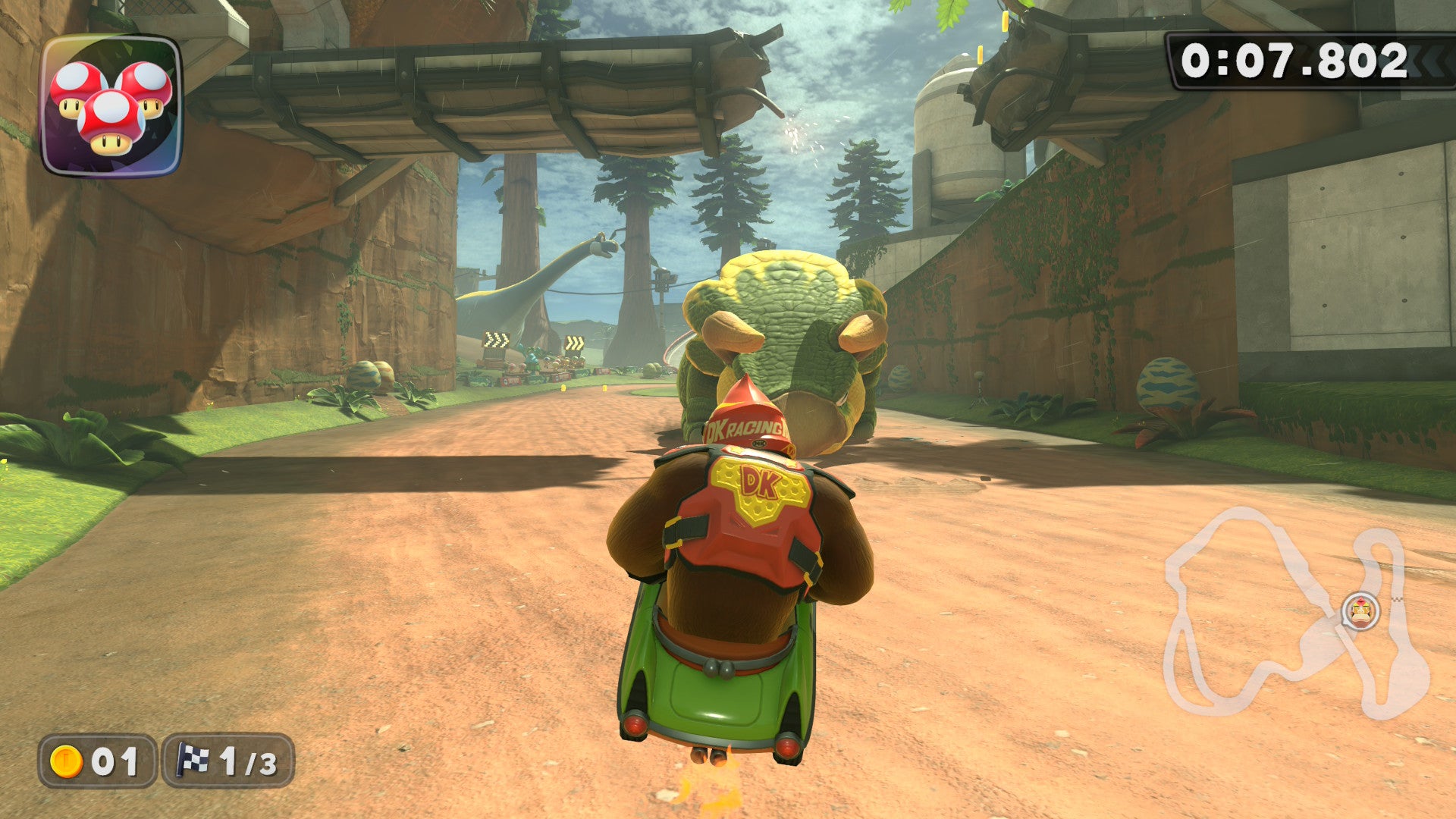
The courses available present a varied experience, with the best ones being particularly strong. The game’s soundtrack is also notable for its quality.
Mario Kart World provides minimal in-game instruction, though a help menu details most mechanics. Players who prefer to learn by doing will discover features like rail grinding, wall riding, and new power-ups through gameplay. The feather, an item not seen outside of Battle Mode since the SNES era, allows for an extra high jump. This item can be strategically used to access different track sections unreachable by standard jumps, or to navigate unexpected obstacles.
While time will reveal the definitive standout tracks, several courses already impress. Dino Dino Jungle is highly regarded, Airship Fortress remains a strong contender, and Great ? Block Ruins provides excellent drifting opportunities. The new Rainbow Road is designed to be a fan favorite. A minor point of contention is the limited time spent on these specific courses within the Grand Prix mode. Gliding returns, with karts now deploying actual wings, and water sections are navigated via a jet ski transformation, a departure from the underwater racing in Mario Kart 7 and 8. As is often the case with Nintendo titles, Mario Kart World offers more depth than initially apparent.
The Free Roam mode exemplifies this depth. With the entire game map available for exploration, players should not anticipate an experience akin to Forza Horizon or other contemporary open-world titles. The map displays various areas, along with progress on P-Switch missions, collected Peach Coins, and found Question Mark Panels, which can be sorted by track. However, the tracking of these elements could be more intuitive.
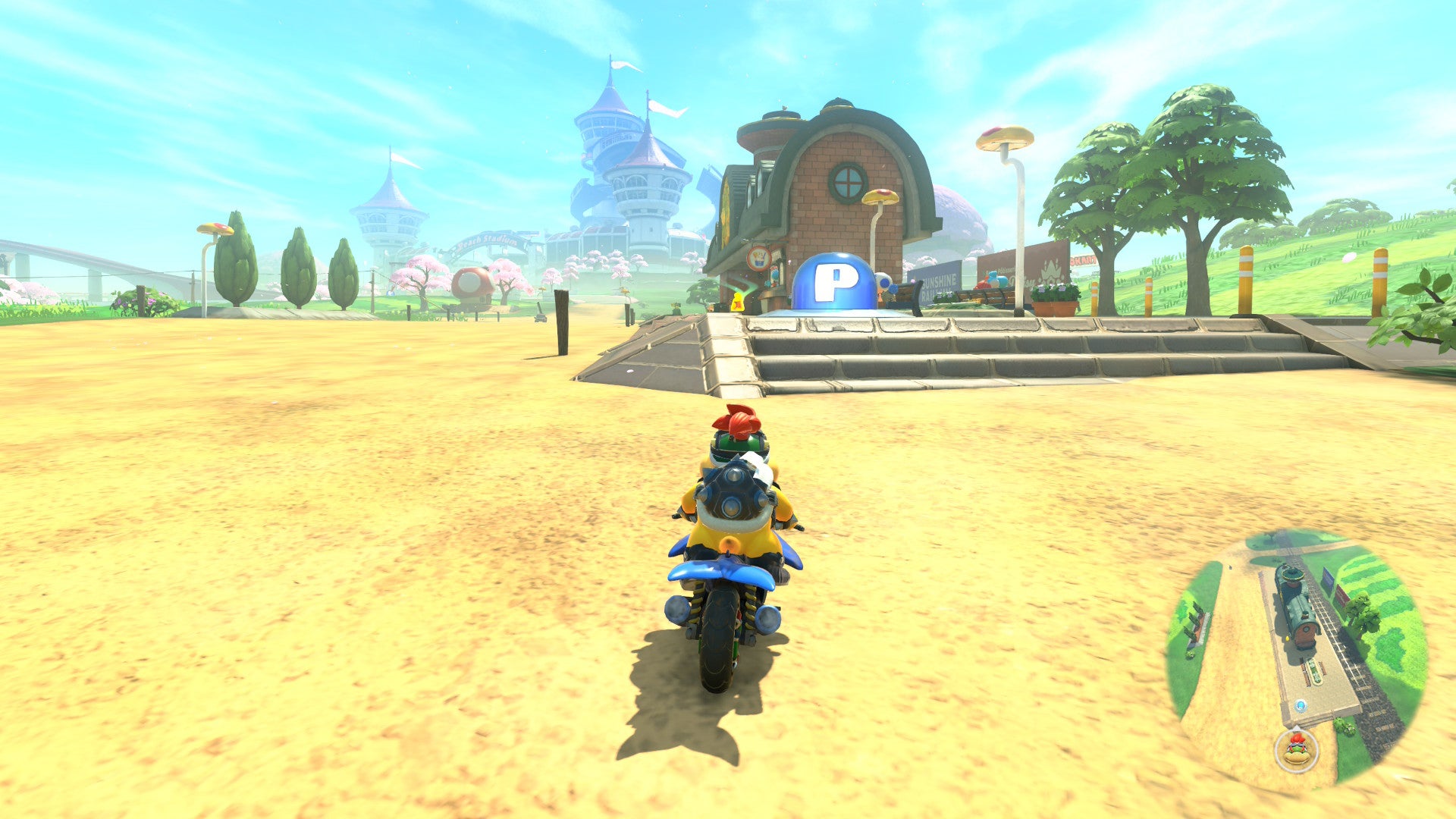
The Free Roam mode could benefit from clearer direction. Its somewhat unstructured nature can be enjoyable for casual exploration or multiplayer sessions, where players can freely discover collectibles and missions. However, for solo players seeking more defined objectives and progress tracking, the mode’s design might feel less engaging. Unlike open-world racing games that seamlessly integrate races, missions, and collectibles into the environment, Mario Kart World’s racing events often feel separate, accessed through menus rather than being an organic part of the bustling world. This makes it more suitable for short bursts of play rather than extended immersion.
Beyond Free Roam, the Knockout Tour stands out as a significant feature in Mario Kart World. This elimination-style race event continuously challenges players across various roads and courses within the open world. While AI behavior on harder difficulties can be frustrating, the mode is highly enjoyable, especially at 100cc or less against bots, or ideally, against other players online. The thrill of regular competitor eliminations, where those below a certain checkpoint position are removed, is a core appeal. This mode effectively showcases the game’s expansive world, with each rally spanning large sections of the map.
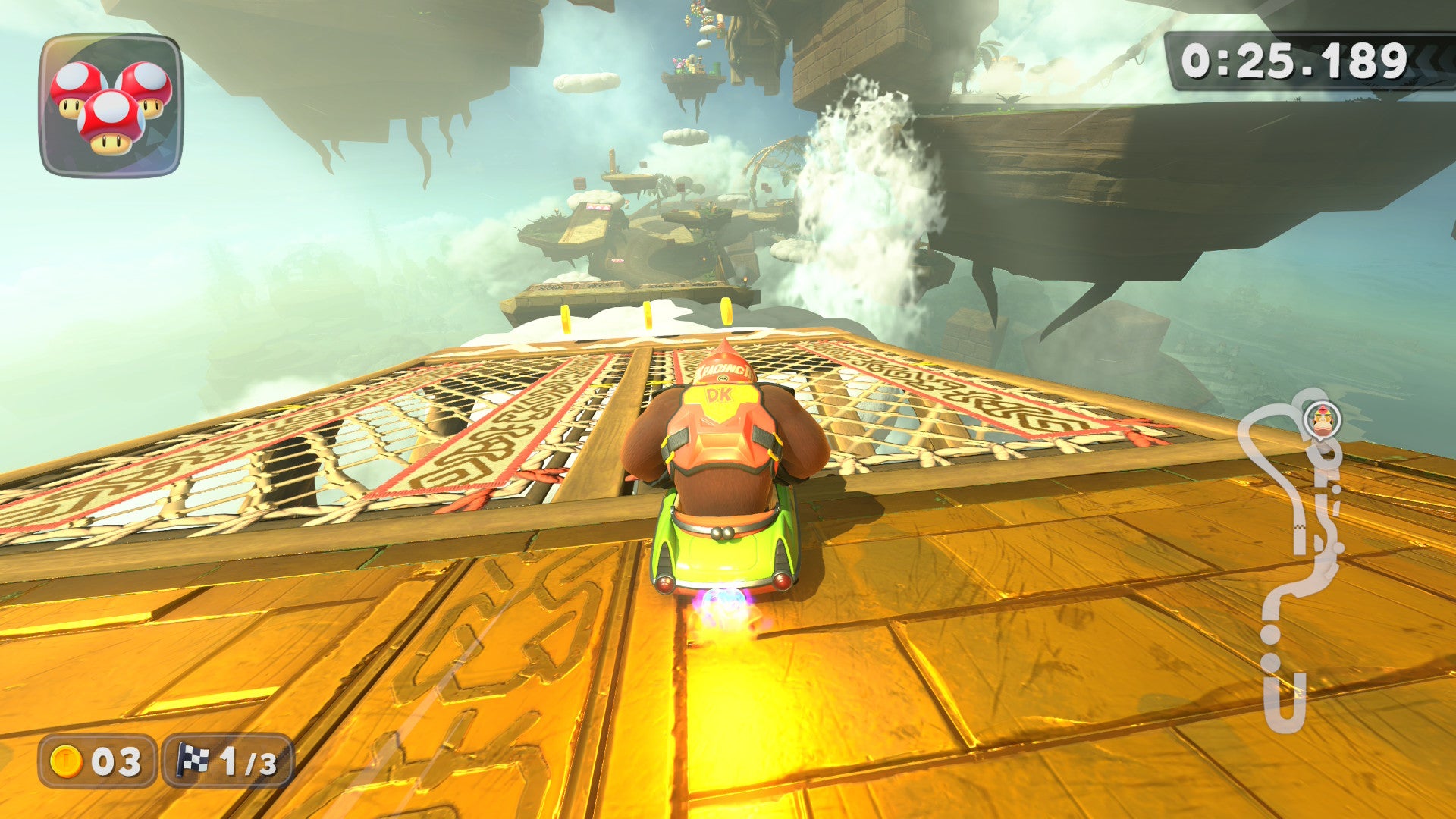
The Knockout Tour intensifies the series’ characteristic chaotic moments. In Mario Kart, victory is never guaranteed, as players can be attacked at any moment, potentially derailing a lead. The elimination format of Knockout Tour amplifies these high-stakes situations in every rally. The satisfaction of winning often outweighs the frustration of last-second attacks that can drastically alter race positions. Mario Kart World, true to its lineage, delivers both exhilarating triumphs and challenging setbacks.
Mario Kart World Accessibility Options
Smart Steering, Auto-accelerate, Auto-use item, Tilt controls, Vertical/Horizontal camera inversion.
Additional multiplayer modes include variations of classic Balloon Battle, where players eliminate opponents by popping balloons, and Coin Runners, focused on collecting as many coins as possible. For dedicated players, Time Trial mode offers a significant challenge. This mode, a staple since Mario Kart 64, now features online ghosts for competitive learning, though achieving top times still demands considerable dedication. Engaging with Time Trial can quickly demonstrate the high skill ceiling in Mario Kart World.
Mario Kart World is an enjoyable multiplayer experience, making it a strong recommendation for fun group sessions. However, its role as a primary launch title for the Switch 2 raises questions about its overall scope. While Free Roam mode holds potential for deeper engagement, Nintendo’s distinctive design choices mean it excels more as a casual, exploratory experience rather than a deeply immersive one.
