

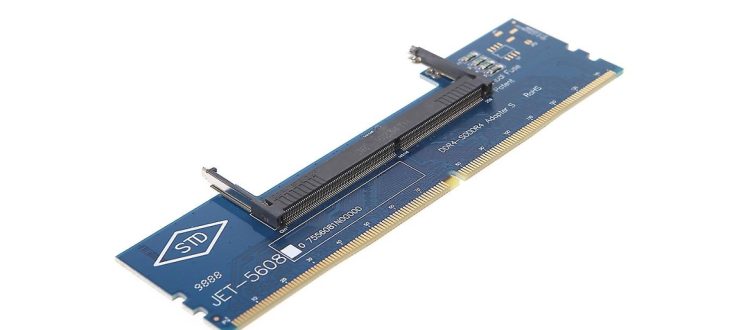
DDR5 memory prices have recently surged due to increased demand from AI companies consuming much of the available DRAM. A potential solution for PC users involves using SODIMM modules with an adapter to replace standard desktop RAM.
A recent video by Videocardz explored the viability of this concept. Significant cost savings are possible by sourcing SODIMM memory from the used market compared to current desktop RAM prices. 3DCenter notes that these adapters are inexpensive, potentially leading to a 30% saving for 16GB of DDR5 SODIMM memory and an adapter, versus purchasing an equivalent amount of desktop memory at current rates.
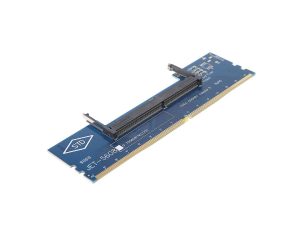
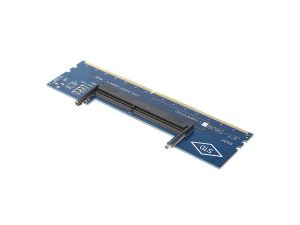
This cost-saving approach comes with technical limitations. These adapters are essentially a workaround for reusing existing hardware. Desktop motherboards are designed with precise trace lengths and signal integrity in mind. Adding an extra physical interface through a passive adapter naturally compromises the signal path quality, which can lead to performance degradation. Laptop memory modules generally operate with looser timings and lower clock speeds compared to dedicated desktop kits. To ensure system stability, it might be necessary to further reduce clock speeds to offset electrical noise from the adapter’s additional circuitry.
This situation mirrors other DIY solutions observed in the market, such as “solder-it-yourself” memory kits. SODIMM adapters offer a more accessible option, not requiring specialized electronics expertise, yet they reflect a similar urgency in the current market. For individuals with spare SODIMM modules from older laptops or access to more affordable mobile memory, these adapters provide a functional path to a working PC, even if it means compromising on the low-latency performance typically found in desktop modules.
