

What is an NPU? If you have been following recent PC hardware announcements, a new term is emerging alongside familiar components like the CPU and GPU: NPU, or Neural Processing Unit. Both Intel and AMD are now integrating NPUs into their newest processors, and many consider them a pivotal advancement in personal computing. But what exactly is an NPU, and why should it be a consideration for your next PC build?
What is an NPU?
An NPU is a dedicated processor engineered to speed up artificial intelligence and machine learning operations. While CPUs handle general computing tasks and GPUs excel at parallel processing, NPUs are tailored for the specific mathematical computations essential for contemporary AI applications, including natural language processing, image recognition, and predictive modeling. Today’s NPUs are not standalone components but are integrated directly into the processor alongside the CPU. They primarily aim to enhance local AI features and processes, rather than exclusively handling complex local AI models, though they do offer some capabilities in that area.
Intel’s Approach: Core Ultra with NPU
Intel introduced integrated NPUs into its mainstream processors with the Core Ultra series. Named Intel AI Boost, Intel’s integrated NPU focuses on boosting Windows AI functionalities like video call background effects, live transcription, and AI-driven features within productivity and creative software such as Office and Adobe Creative Cloud. This offers a significant benefit: these operations execute directly on the chip, avoiding cloud reliance, which conserves bandwidth and enhances system responsiveness.
AMD’s Take: Ryzen AI
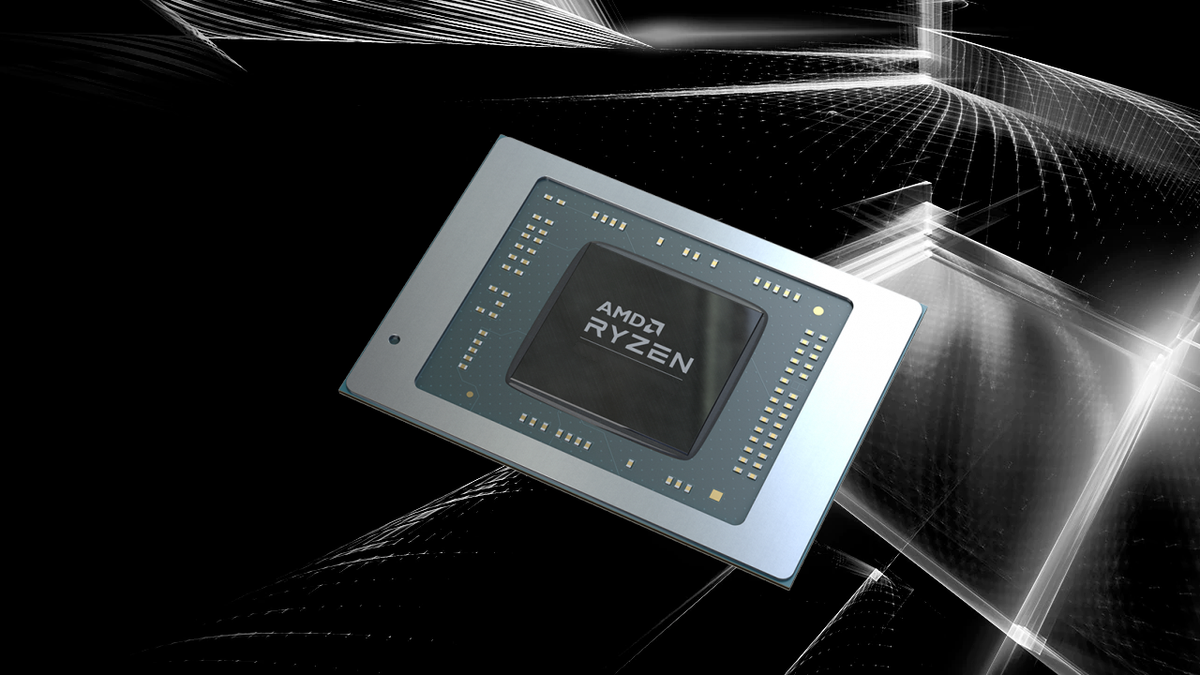
AMD joined the NPU landscape with Ryzen AI, featured in its Ryzen 9000 series desktop processors and mobile chips. Utilizing the XDNA architecture, derived from AMD’s Xilinx acquisition, Ryzen AI prioritizes efficiency and adaptability, especially for generative AI tasks performed directly on the device.
Furthermore, AMD maintains a strong partnership with Microsoft’s Copilot+ PC initiative, guaranteeing that systems with Ryzen AI are optimized for AI-driven capabilities across the Windows ecosystem and various professional applications. More Copilot+ PCs are expected to become available throughout this year and into 2026.
Comparison: Intel vs AMD NPUs
The current NPU offerings from Intel and AMD present distinct characteristics. Intel’s Core Ultra processors, featuring a dedicated NPU integrated into the CPU package, are designed for balanced AI acceleration with strong power efficiency. Their primary use cases include Windows AI features, video conferencing, and productivity applications. AMD’s Ryzen AI, built on the XDNA architecture, emphasizes higher flexibility and is optimized for AI inference, particularly for generative AI, content creation, and professional workflows. Both ecosystems are deeply integrated with Microsoft, with Intel supporting Adobe and Office AI features, and AMD aligning with Copilot+ PC compatibility and creative software optimizations. Both are available in mobile and desktop form factors.
Why You May Need an NPU in Your Next Build
NPUs are proving to be more than a novel feature; they are becoming indispensable for contemporary personal computers. Here’s why:
- Performance Efficiency: An NPU offloads AI-specific tasks from the CPU and GPU, allowing those components to focus on other demanding workloads and improving overall system responsiveness.
- Lower Power Consumption: NPUs are designed to execute AI computations with significantly less energy than general-purpose processors, leading to extended battery life in mobile devices and reduced power draw in desktops.
- Future-Proofing: As leading software developers increasingly integrate AI capabilities into their applications, a PC equipped with an NPU will be better prepared for future software demands, ensuring its relevance for longer.
Final Thoughts
The integration of NPUs into processors from both Intel and AMD signifies a transformative moment for personal computing. Similar to how GPUs revolutionized graphics processing and later general-purpose computation with technologies like CUDA, NPUs are set to redefine how personal computers manage AI-powered operations.
For those planning a new PC build, selecting a CPU with a dedicated NPU, such as Intel’s Core Ultra or AMD’s Ryzen AI, will help ensure the system is prepared for the upcoming advancements in PC technology.
