

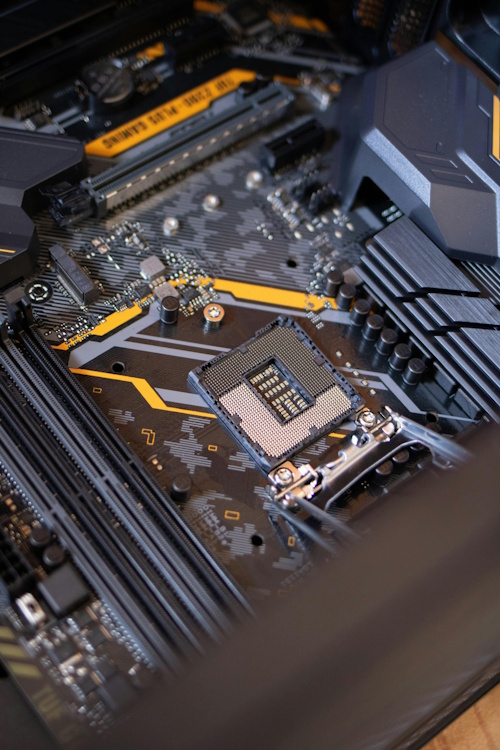
Online betting has emerged as a highly advanced digital industry, offering users a quick, dependable, and engaging experience. While software and user interfaces often capture the spotlight, the underlying physical hardware forms the essential foundation of every successful betting application. A combination of powerful computers, rapid data processing units, and sophisticated security mechanisms ensures that millions of users can place bets in real-time without encountering delays or disruptions.

The Foundation: Servers and Data Centers
When interacting with an online betting platform, such as Betway, and placing a wager, the hardware supporting its operations is critical. The network of servers that stores data, processes transactions, and manages live betting odds is a core component of any online betting system. These servers are housed in large-scale data centers, specifically designed to handle an immense volume of activity every second. Given that online betting operates continuously and serves a global audience, the infrastructure must be robust enough to sustain heavy traffic without performance issues.
Modern betting systems utilize distributed server networks, meaning information is spread across multiple servers rather than being concentrated in one location. This setup ensures that operations can continue uninterrupted, even if one server encounters technical problems, thereby maintaining a consistent user experience. Load balancing technology efficiently manages traffic, preventing any single server from becoming overwhelmed during peak betting periods, such as major sporting events.
To maintain seamless operations, data centers for betting operators require significant cooling systems and reliable power backups. Real-time betting demands immediate updates, and even a minor delay caused by a server outage can lead to substantial financial losses for both users and betting companies. By investing in redundant server systems that automatically switch to backups in case of failure, companies ensure the betting platform remains online at all times.
Contemporary betting infrastructure also incorporates cloud-based solutions. These allow businesses to rapidly scale their operations without relying solely on physical servers. This flexibility enables betting systems to manage sudden surges in traffic, like those seen during events such as the World Cup or the Super Bowl, without any performance degradation. By combining fast servers with innovative data processing technologies, online betting applications provide customers with real-time, low-latency wagering opportunities.
High-Speed Processing and Robust Security
Every successful bet placed on an online betting app is the result of a complex network of processors operating at incredibly high speeds. High-performance computing units (HPCUs) are fundamental to betting systems, enabling real-time updates of betting markets, calculation of odds, and validation of transactions. These processors must handle vast amounts of data concurrently to ensure that odds are adjusted instantly based on player performance, game developments, and market trends.
Processing units are also crucial for managing live betting, where players place wagers on in-game events as they unfold. Such bets require rapid validation, necessitating underlying hardware capable of processing enormous data volumes within milliseconds. By investing in specialized hardware designed for speed and accuracy, betting organizations help minimize any lag that could compromise the outcome of a bet.
Alongside processing speed, betting platforms prioritize security. Every financial transaction, from deposits to withdrawals, must be protected from cyberattacks. Hardware Security Modules (HSMs) are used to safeguard sensitive information, including user credentials and payment details. These dedicated security devices store encryption keys separately from conventional software systems, making it extremely difficult for unauthorized parties to access private data.
Many betting operators also employ biometric identification systems, utilizing fingerprint scanners or facial recognition technologies to verify user identity. This additional layer of protection ensures that only authorized users can place bets or withdraw winnings, preventing unauthorized access. With advanced firewall systems and real-time threat detection technologies, online betting platforms are better protected against cyber threats, making them safer than ever.
Mobile Devices and Network Connectivity for Optimal Betting
While betting applications rely heavily on powerful backend hardware, the devices users interact with also significantly contribute to a seamless experience. Modern smartphones and tablets, equipped with advanced CPUs, high-refresh-rate screens, and enhanced network connectivity, allow users to access betting sites without delays or glitches.
The integration of 5G connectivity represents a major advancement in mobile betting. 5G enables faster data transfer speeds and reduced latency, allowing bettors to place live wagers with almost instantaneous updates. This is particularly beneficial for in-game betting, where quick reactions are essential. The combination of high-performance mobile technology and next-generation network speeds ensures that users do not miss betting opportunities due to slow loading times or network issues.
Battery life is another critical consideration, as betting apps often require background processing and constant updates. Smartphone manufacturers have optimized their devices to handle demanding applications without excessive power drain, enabling users to engage in extended betting sessions without frequent recharging. Many contemporary betting applications also include dark mode options and adjustable screen brightness, further reducing battery consumption and enhancing user comfort.
Touchscreen responsiveness is another area where hardware plays a vital role. Many users place bets with just a few taps on their screens, so devices must register inputs precisely and quickly. High refresh rates ensure that browsing odds, selecting wagers, and confirming bets occur in real-time without any noticeable lag. Hardware advancements continue to make mobile betting simpler and more effective, allowing users to enjoy a high-quality betting experience directly from their smartphones.
