

Securing funding for video games has always presented challenges, but the difficulty has escalated significantly in recent years. Publishers and investors have scaled back the generous spending seen during the COVID-19 era. While even modest funding can be elusive, obtaining more than $1 million has become exceptionally difficult.
Publishers like Devolver Digital and 11-Bit Studios have indicated a shift towards smaller projects. Nigel Lowrie, co-founder and marketing lead of Devolver, noted in a recent interview that less investment means more room for unconventional ideas and reduced risk for both the publisher and developer. The prevailing trend appears to be publishers distributing smaller investments across numerous micro-indie titles, hoping one achieves significant success like Balatro, rather than concentrating large sums on a few bigger games.

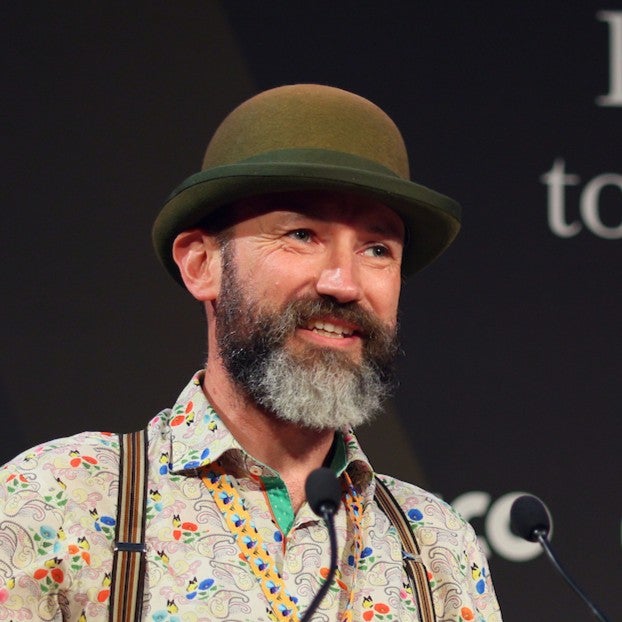
Brooke Burgess, who is seeking approximately $1.5 million for his game, Fallen, describes this as a “scattershot approach.” He participated in an open pitch event at DevGAMM Lisbon, which he felt went well, receiving many positive comments. However, he has yet to finalize a deal, with the common feedback being that anything above $500,000 falls outside potential investors’ comfort zones.
Despite the funding challenges, Fallen has garnered interest. Burgess mentions that some publishers, particularly those known for action-adventure games with mature themes, have expressed that Fallen aligns perfectly with their portfolio. Yet, these encouraging words have not translated into financial commitments. Publishers often suggest revisiting the discussion at a later time.
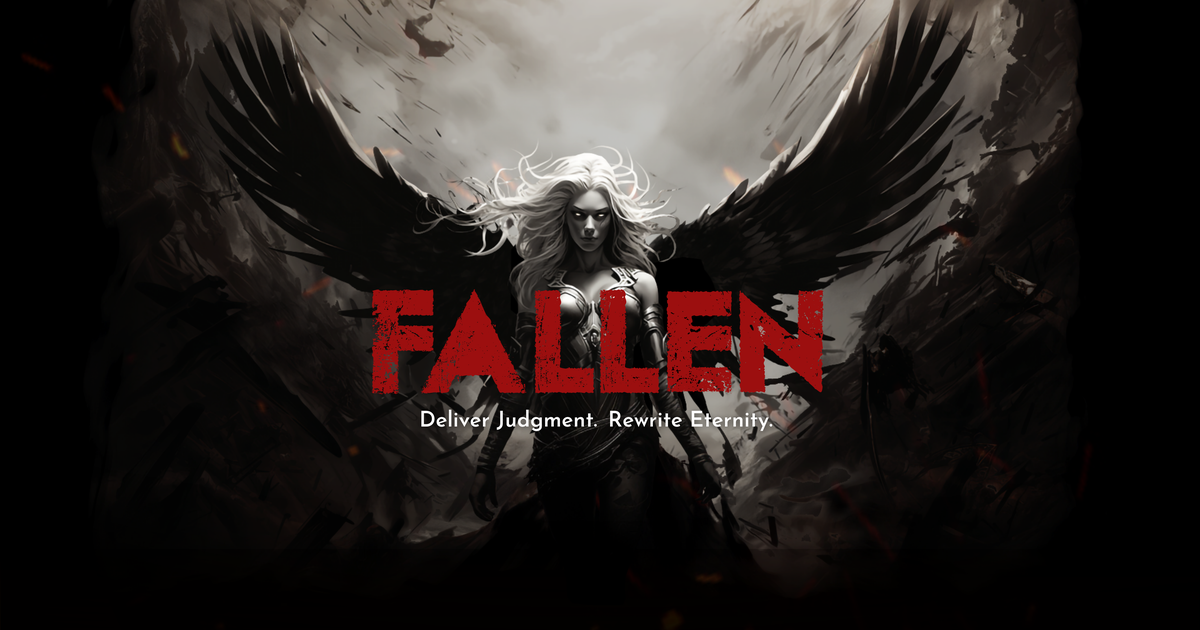
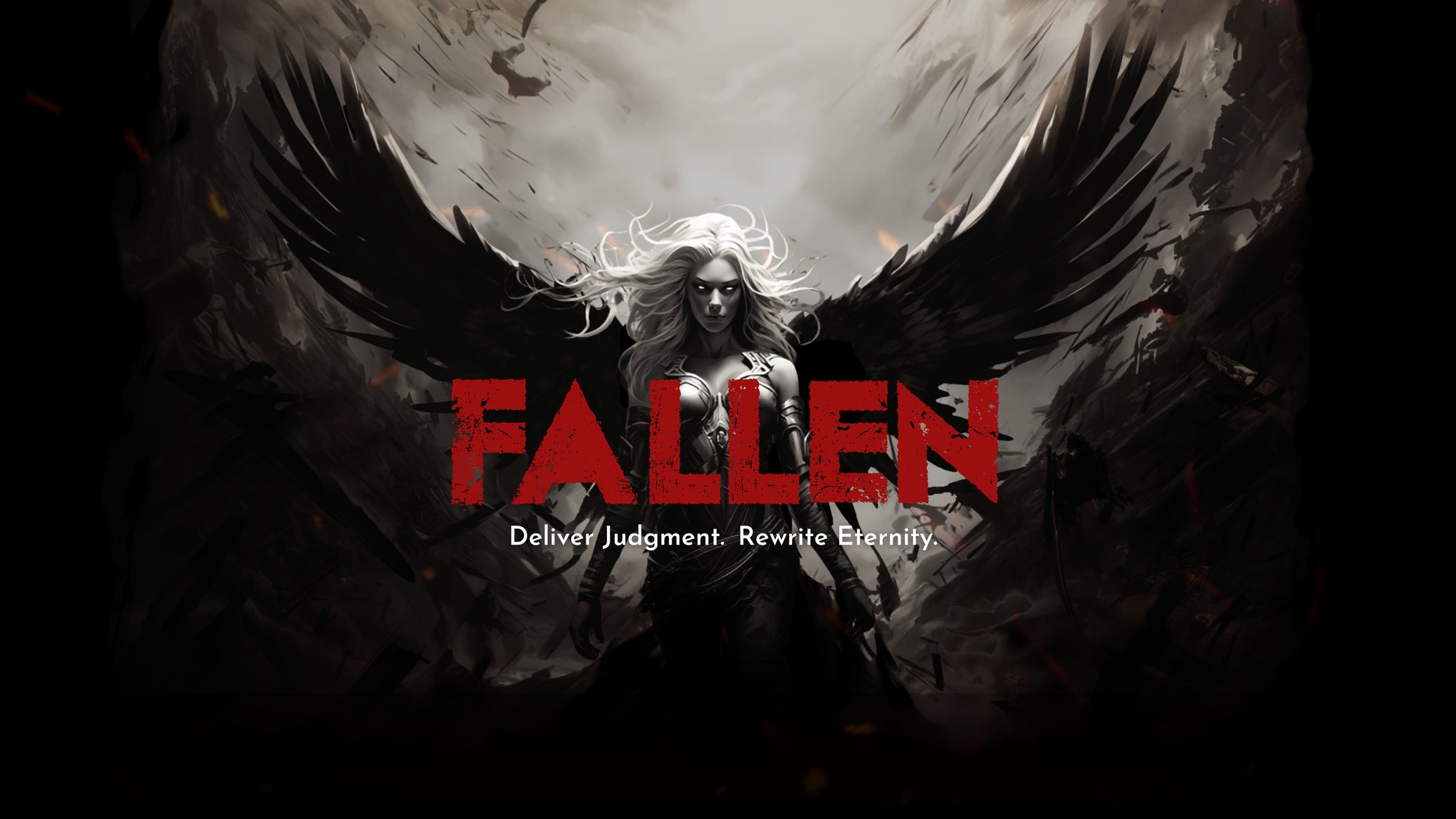
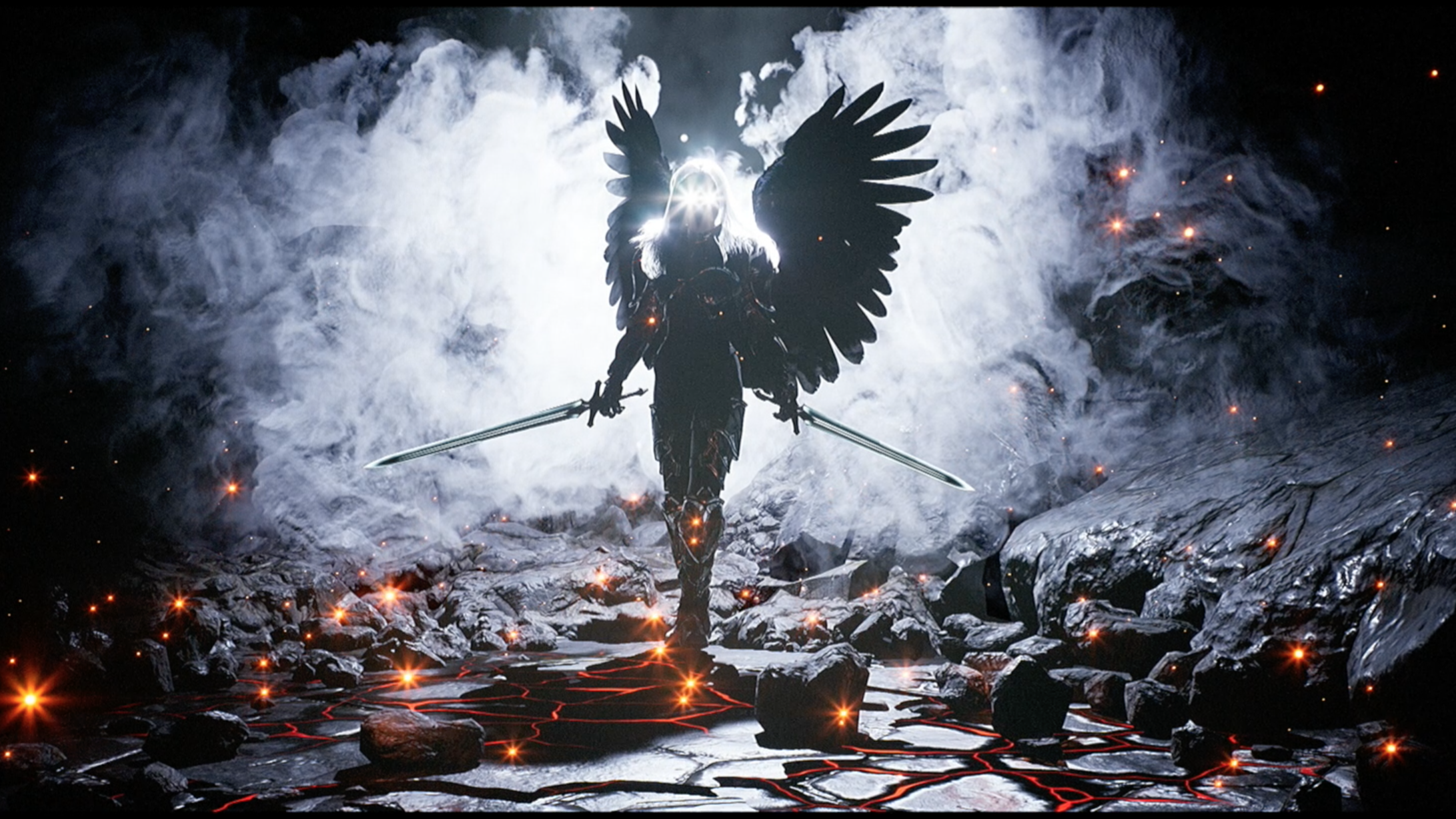
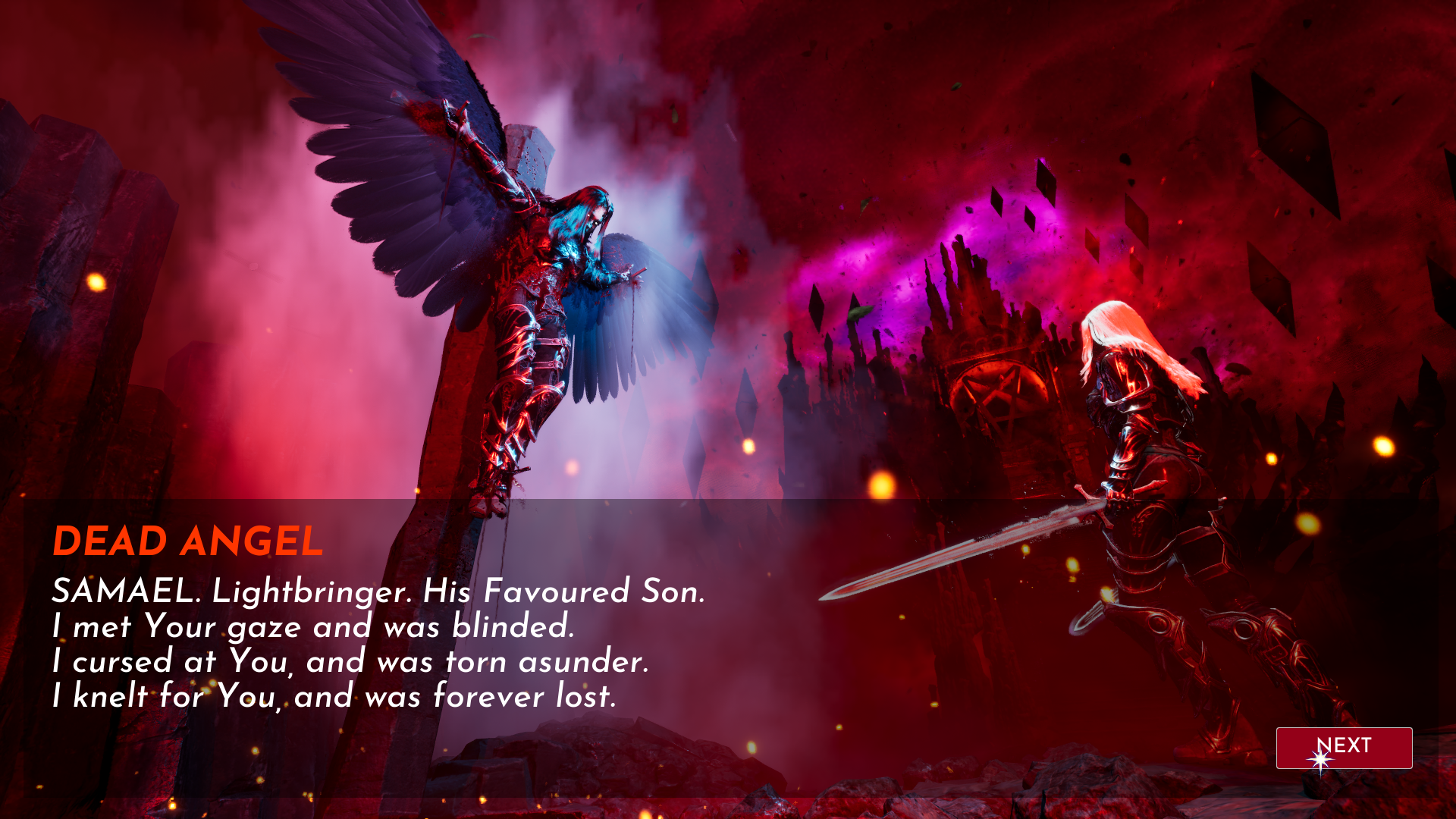
Fallen blends combat and exploration, drawing inspiration from titles such as Hyper Light Drifter, Tunic, and Death’s Door. The game features Astra, an angel dispatched to hell to dismantle it. Burgess explains that the narrative uncovers a conspiracy surrounding hell’s creation and purpose, ultimately questioning the nature of good and evil. Astra can choose to forgive or condemn the souls she encounters. Condemning souls grants Astra buffs and new abilities, while forgiving them sends them to heaven and establishes a link with a powerful archangel, similar to summons in Final Fantasy. Abandoning souls can unlock secret paths and hidden bosses.
The reveal trailer for Fallen.
Fallen also possesses a refreshing old-school sensibility, reminiscent of Xbox 360-era classics like Darksiders and Dante’s Inferno. The goal is to deliver a “self-contained, awesome single player experience that isn’t going to be 40, 50, 60 hours of time, because no one has that anymore,” according to Burgess. The significant success of the similarly traditional Warhammer 40,000: Space Marine 2 in 2024 suggests a healthy audience for this type of game.
The budget, however, remains a major obstacle. Investors have expressed apprehension because this marks Burgess’s first time as a director. Despite this, he possesses extensive industry experience, having started as a producer at EA in the late 1990s and working for years as a narrative consultant and writer on various projects. The current industry climate, characterized by investor caution and tight purse strings, exacerbates the challenge.
A Reasonable Ask
For a game of Fallen’s scope, $1.5 million is not an excessive amount. Burgess’s business plan allocates this budget to a small team working for approximately two and a half years, with additional talent brought in for specific needs like art support, localization, and marketing. Burgess has even considered transmedia opportunities, including potential comics, animations, novels, and merchandise.
However, the difficulty in securing funding highlights the current market’s reluctance, with no investors committing so far.
Burgess has been pursuing smaller private financing for about 18 months and actively engaging publishers and larger investors for around seven months. Despite being “under review” with several entities, he is still far from finalizing a deal.
Burgess observes that investors often follow trends, seeking games that align with current popular genres like open-world, souls-like, or JRPGs in the style of Expedition 33. His primary motivation, however, is simply to create the kind of game he personally wants to play.
Fallen is currently at the demo stage, described by Burgess as “pre-vertical slice.” It exists in an intermediate state where some elements are clearly works in progress or placeholders, while others are quite advanced.
The project began several years ago when Burgess reconnected with his former mentor at EA, Scott Blackwood, who had retired after serving as executive producer on the Skate series. Blackwood, feeling too young to retire, encouraged Burgess to pitch him ideas, and Fallen was the one that resonated with him.
Blackwood provided initial funding for a prototype, but he passed away in 2023. Burgess has since continued to champion the project. Blackwood’s original strategy was to seek funding through private venture capital, leveraging his industry connections. He believed that bypassing publishers and securing an angel investor might be the best approach, having already foreseen the challenges publishing would face three years prior.
Burgess has also considered crowdfunding, but he believes audience appetite for original IP has diminished over the past decade due due to dissatisfaction with unfinished or subpar crowdfunded projects. He now feels that “nostalgia is king” in crowdfunding, with a focus on established IP spinoffs.
Nevertheless, a hybrid crowdfunding model remains an option. If a publisher were to offer to match a certain amount raised through crowdfunding, Burgess would certainly consider it.
Discussions with publishers consistently return to one subject: AI. “Every publisher I’ve talked to has brought up: ‘So, have you thought about how AI might be able to save money on this?’ Almost all of them. They want to know that you’re thinking about it, that you understand the potential.”
To reduce the budget, Burgess has earmarked AI for localization support, QA, and animating some of the Renaissance-style paintings featured in hell. However, he is not a staunch advocate for AI. He admits to seeing “awful outputs” from his own AI experiments and states, “I would never allow AI to write any dialogue, ever.”
The focus is on lowering the budget to a level acceptable to potential funders. Burgess estimates that without any AI integration, he would need to request around $1.8 million, rather than $1.5 million. Yet, there are limits to his compromises. He is unwilling to sacrifice creative integrity by solely relying on AI. His aim is to collaborate with talented individuals to create something cool. If integrating AI in a way that preserves creativity while saving money helps get the game to players and provides an opportunity to make something memorable, it becomes a necessary consideration.
Fittingly, given Fallen’s theme, this situation feels like a deal with the devil. After months of a fruitless search for funding, frustration is mounting.
Burgess simply expresses a desire to “make the damn game.”
