

Industry reports suggest that Nvidia has indefinitely postponed, and possibly cancelled, its GeForce RTX 50 Super series. This development comes after CES 2026 concluded without any new discrete GPU announcements. The planned refresh, which was initially expected to address VRAM capacities within the Blackwell lineup, appears to have been impacted by the growing demand for AI hardware, a worldwide memory shortage, and limited competition from other manufacturers.
Sources from the Board Channels forum, as reported by VideoCardz, point to three primary factors behind the RTX 50 Super series delay. A significant reason is the escalating demand for compute GPUs. This surge has reportedly led Nvidia to reallocate resources, shifting production focus towards high-profit systems like the Vera Rubin NVL72 and H200. Consequently, the silicon originally designated for consumer gaming refreshes is being redirected to these more profitable sectors.
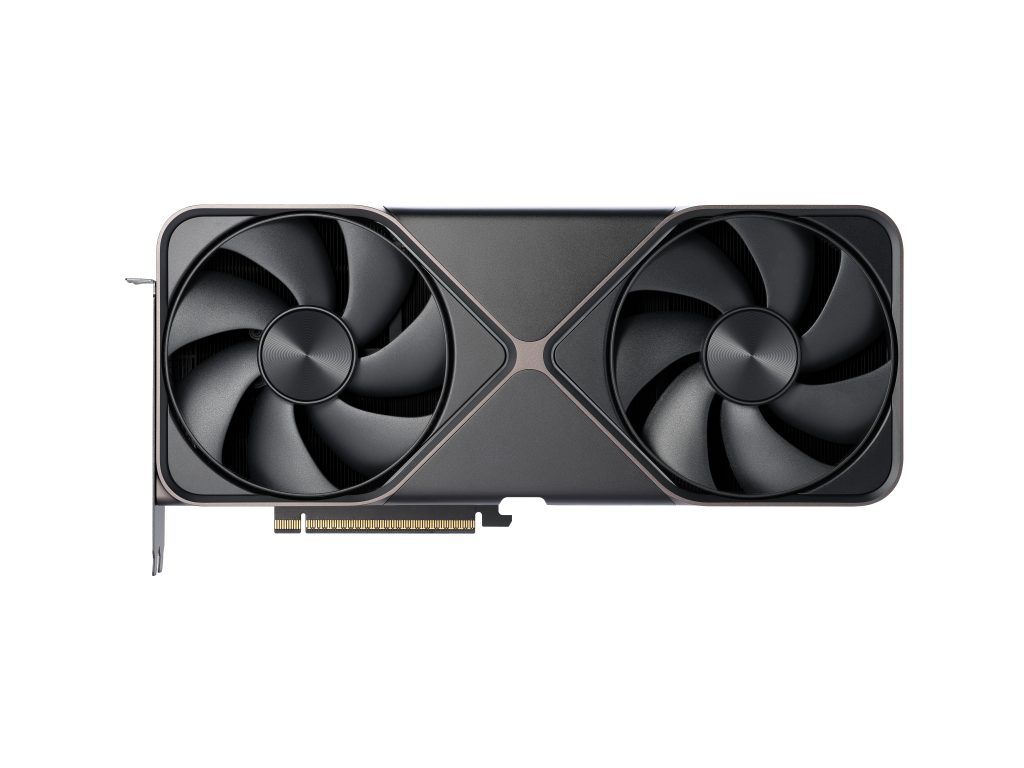
Another contributing factor is the current GDDR7 memory shortage, stemming from a severe DRAM supply crunch across the industry. The cost of GDDR7 has increased significantly, and the 3 GB modules necessary for the anticipated 24 GB and 32 GB 50 Series Super variants are in critically low supply. Introducing these graphics cards under current market conditions would likely result in a retail price point that would be prohibitive for many gamers.
A practical consideration for Nvidia is AMD’s decision to delay its next-generation RDNA 5 architecture until 2027. Given that the rumored Radeon RX 9070 XT is not expected to pose a significant challenge to the RTX 5080 or 5090, Nvidia may perceive no immediate strategic need to update its product lineup. Furthermore, Intel’s anticipated B770 also did not appear at CES, which effectively leaves the existing RTX 50 series in a dominant position by default.
