


An Unconventional Learning Curve
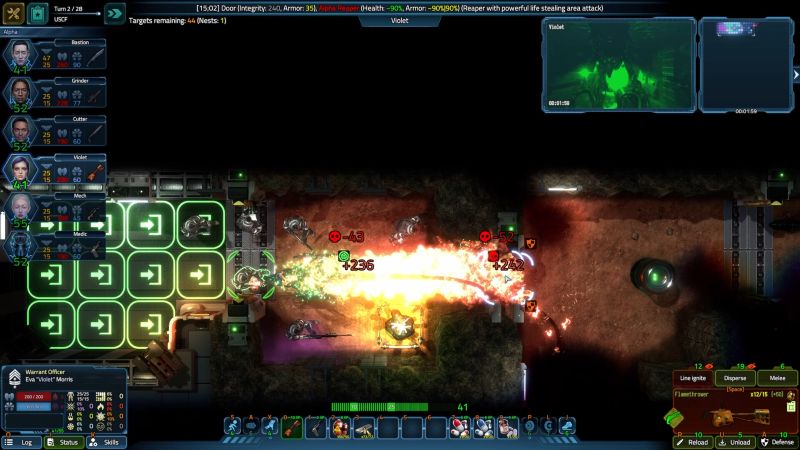
Many initial reactions to USC: Counterforce, including some from publications like Rock, Paper, SHOTGUN, noted the game’s challenging opening. The first mission is intentionally designed to be unwinnable. Players’ squads often run out of ammunition and face devastating defeat, a scenario even more brutal than in games like Warhammer 40,000: Mechanicus. This harsh introduction serves a purpose: it simulates the initial, unprepared encounters with alien swarms and educates players on the necessary strategies and resources for survival with their subsequent, main team.
Soldiers in USC: Counterforce begin with competent skills, though further improvement is possible through combat experience. Effective inventory management is crucial, as the gear brought into missions significantly impacts outcomes. For instance, certain medkits can lower morale while boosting action points, while others might lead to an overdose, paralyzing a squad member.
Resource management is a core aspect of USC: Counterforce. Players must engage in mining and generate income to expand their base and develop new weaponry. This is where the game incorporates a Borderlands-like element: weapons can be upgraded, or resources can be spent to craft a prototype. These prototypes are described as “a novel variant of a weapon, with randomised bonuses.” The outcome of this crafting process is unpredictable; players might create something incredibly powerful or a less useful item, similar to the varied loot drops found in Borderlands.
For its price point, USC: Counterforce is likely to appeal to veterans of classic tactical games such as Jagged Alliance and UFO: Defence, offering a worthwhile experience.
