

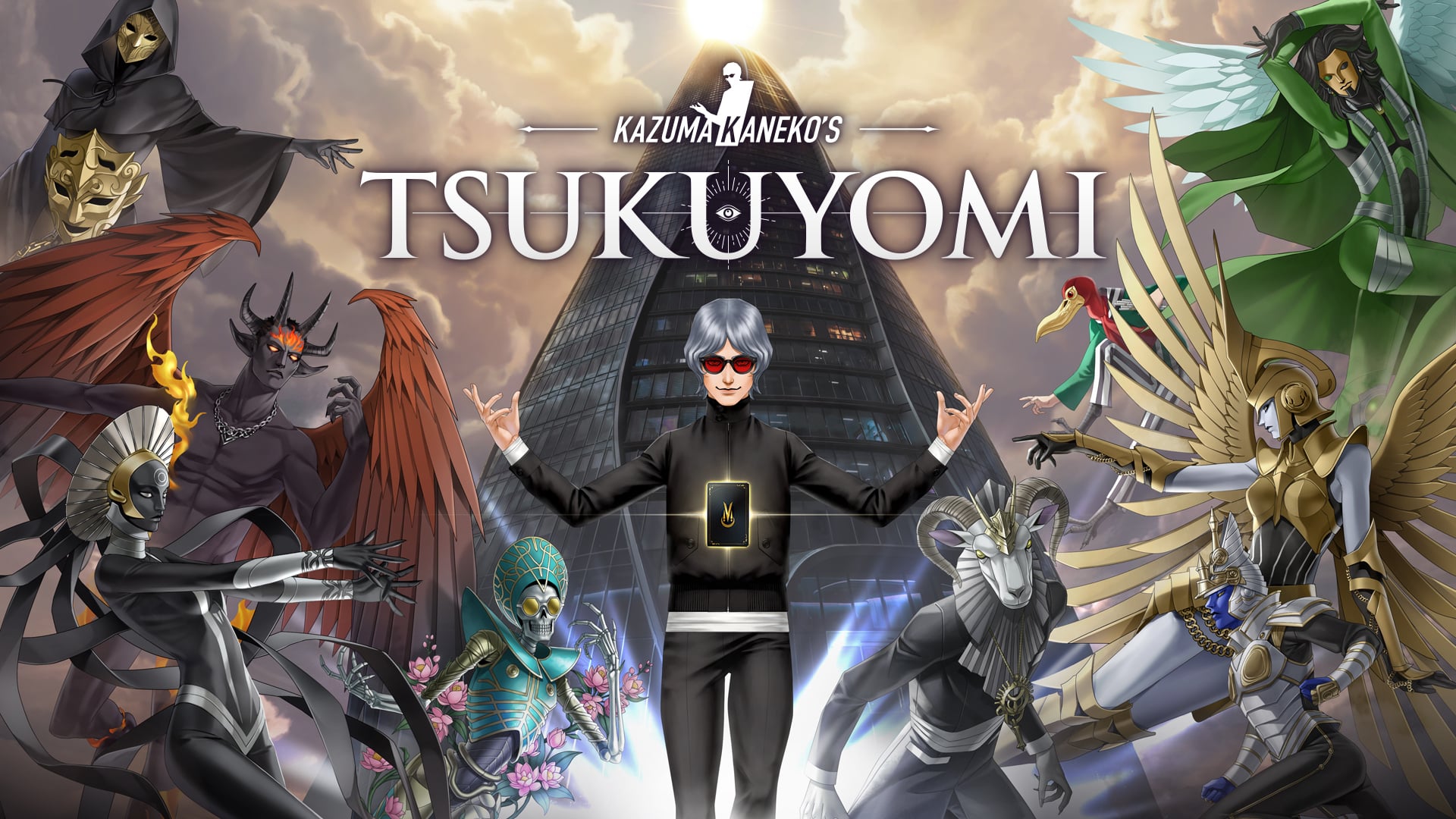
COLOPL has announced Kazuma Kaneko’s Tsukuyomi, a premium deckbuilding tower dungeon game. This title is based on the free-to-play game Tsukuyomi: The Divine Hunter and is scheduled to launch for Switch on April 23.
The standard edition will be available for $24.99 / 3,960 yen. A Digital Deluxe Edition, priced at $29.99 / 4,960 yen, will include the downloadable content “Refined Arts Pack Vol. 1.” This DLC features special “Creation Cards” such as Shiva, Hathor, Nephthys, Orcus, and Khonsu, and can also be purchased separately for $7.99 / 1,320 yen.
In Japan, two exclusive limited physical editions will be offered via the COLOPL shop: the “Tsukigami Box” for 19,800 yen and the “Shinma Artist Box,” limited to 100 units, for 98,800 yen.

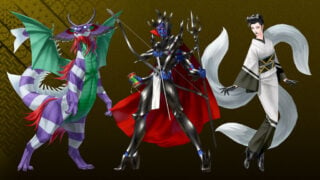
Kazuma Kaneko’s Tsukuyomi is a revitalized version of Tsukuyomi: The Divine Hunter. It introduces a new character, expanded story elements, an updated user interface, rebalanced gameplay, and new card art by Kazuma Kaneko. The game also incorporates 3,600 cards selected in collaboration with the community from the original title.
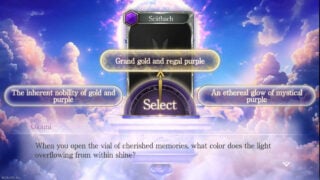
The returning cards were originally created by a generative AI model called “AI KANEKO,” which generated new art trained on Kazuma Kaneko’s works based on player actions and decisions in the original game. For the Nintendo Switch, Kazuma Kaneko’s Tsukuyomi is an offline title and does not utilize generative AI to create new cards during gameplay.
A COLOPL representative clarified that the original mobile and PC game used generative AI for card creation. The Switch version includes a curated selection of those AI-generated cards from the previous game. The generative AI model itself is not included in the Switch version to create new cards beyond those pre-selected by the development team.
Kazuma Kaneko stated in a press release that the emergence of generative AI sparked a desire to create something with this new technology, similar to the evolution from pen and paper to digital art. This led to the creation and release of Tsukuyomi: The Divine Hunter, featuring an AI trained on his art, allowing players to create unique cards through gameplay. He expressed that through the AI, it felt possible to connect with people globally, leading to the idea of using these cards to create something new. The result is Kazuma Kaneko’s Tsukuyomi, a game born from this connection through AI.
















About the Game
Ancient myths awaken in a modern-day Babel. This tactical deck-building tower dungeon RPG comes from the legendary Demon Artist, Kazuma Kaneko.
Set in Tokyo, 20XX, the colossal bay area megastructure, “THE HASHIRA,” has been isolated from the outside world. Players assume the role of a “Tsukuyomi,” an elite agent of a national defense organization. The mission involves infiltrating the isolation zone, battling through a tower overrun by eldritch “Jinma,” and ascending to the summit to uncover the truth.
Key Features
- Razor-Sharp Strategy: “Jinma Card” Battles – Engage in intense turn-based card combat where every decision is crucial. With a strict hand limit of just three cards, careful resource management is essential. Players must anticipate enemy attacks and choose their strategy: use “Jinma Cards” to strike, or hold them to bolster defenses. Each successful battle offers a choice of a new Jinma card to add to the current deck, enabling diverse strategic deck-building possibilities. The battle system is streamlined, fast-paced, and offers significant depth.
- A Gripping Story Where Myth and Reality Collide – Experience a multi-perspective saga following four “Tsukuyomi” agents, each on a divergent path. Players can switch between characters to explore their conflicting convictions and personal battles. Reaching the summit is key to uncovering the truth hidden within THE HASHIRA.
- Forge a Unique Arsenal Through Every Decision – Player decisions during exploration directly influence the properties of special “Creation Cards” earned and added to the deck. Even if defeated in battle, these cards are not permanently lost; players retain the chance to reclaim them in future runs. Through repeated cycles, the deck expands and evolves, allowing for unique build customization.
