

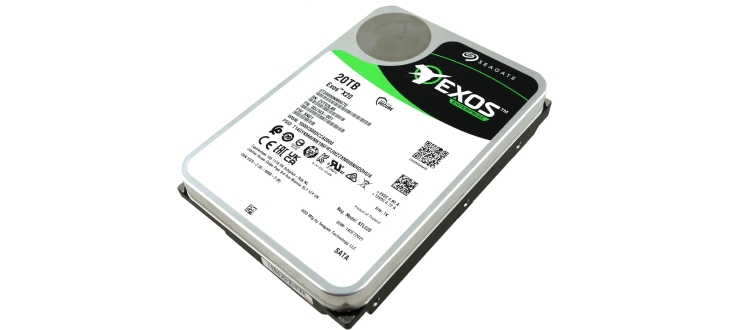
Hard disk drive (HDD) prices are climbing, with recent reports indicating a 4 percent increase over the last quarter. This represents the most significant price jump in two years, signaling a rise in demand coupled with a reduction in available supply. This trend suggests that the impact of AI companies seeking storage extends beyond high-speed SSDs and memory to include traditional mechanical drives.
Despite the widespread adoption of SSDs in the consumer market, HDDs are experiencing renewed interest within specific enterprise sectors and geographic regions. According to reports from Digitimes (as cited by Tom’s Hardware), a key factor in this growth is the Chinese market, where initiatives promoting locally manufactured PCs have led to increased use of 3.5-inch desktop drives. Furthermore, some organizations are opting for magnetic storage for long-term data retention due to concerns about SSD longevity. Major US cloud service providers are also acquiring exabyte-scale storage, utilizing HDDs to support the vast datasets required for AI model training, where sheer capacity is often more critical than raw input/output operations per second (IOPS).
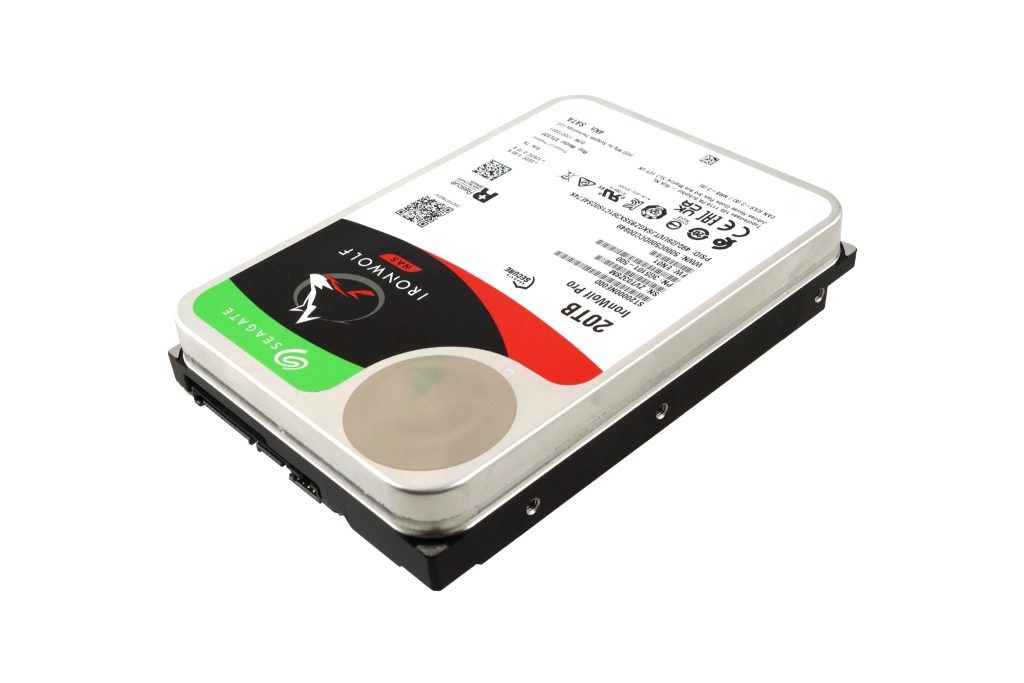
Currently, retail pricing for HDDs remains relatively stable. However, this marks the third consecutive quarter of price increases, and analysts anticipate the trend will persist. Consumers may eventually face higher prices. With NAND flash memory also experiencing supply constraints, pressure on the HDD market could intensify, potentially leading to shortages as manufacturers prioritize high-margin enterprise clients over the consumer segment.
To meet this growing demand, manufacturers like Seagate are investing heavily in advanced technologies such as Heat-Assisted Magnetic Recording (HAMR), with a 55 TB prototype already in development. Nevertheless, until these next-generation drives reach mass production and help stabilize the supply chain, HDD prices are expected to continue their gradual but consistent ascent, provided demand maintains its current pace.
