


For years, Windows operating systems have managed storage using the default disk.sys driver, a component that has seen little fundamental change since its 2006 introduction. Despite Windows supporting the NVMe protocol since Windows 8.1, this older driver still processes modern, high-speed solid-state storage as if it were a legacy SCSI disk. To resolve this performance bottleneck, Microsoft officially unveiled nvmedisk.sys for Windows Server 2025. Interestingly, this new driver also appears to be present, though hidden, within Windows 11 version 25H2.
Tests conducted by Notebookcheck on a Windows 11 system confirmed the benefits of this new driver. As Microsoft indicated, the enhanced NVMe awareness significantly boosts raw throughput. The testing revealed a noticeable performance improvement with nvmedisk.sys for both sequential and random read/write operations compared to the older driver. This new approach bypasses the legacy SCSI translation layer, enabling the operating system to communicate more directly with the flash controller. This direct interface reduces overhead and improves latency, particularly on high-end NVMe drives like the Samsung 990 Pro and Crucial T705. Performance results before and after the driver installation are shown below.
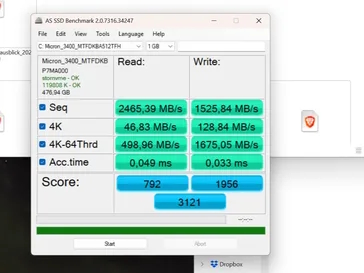
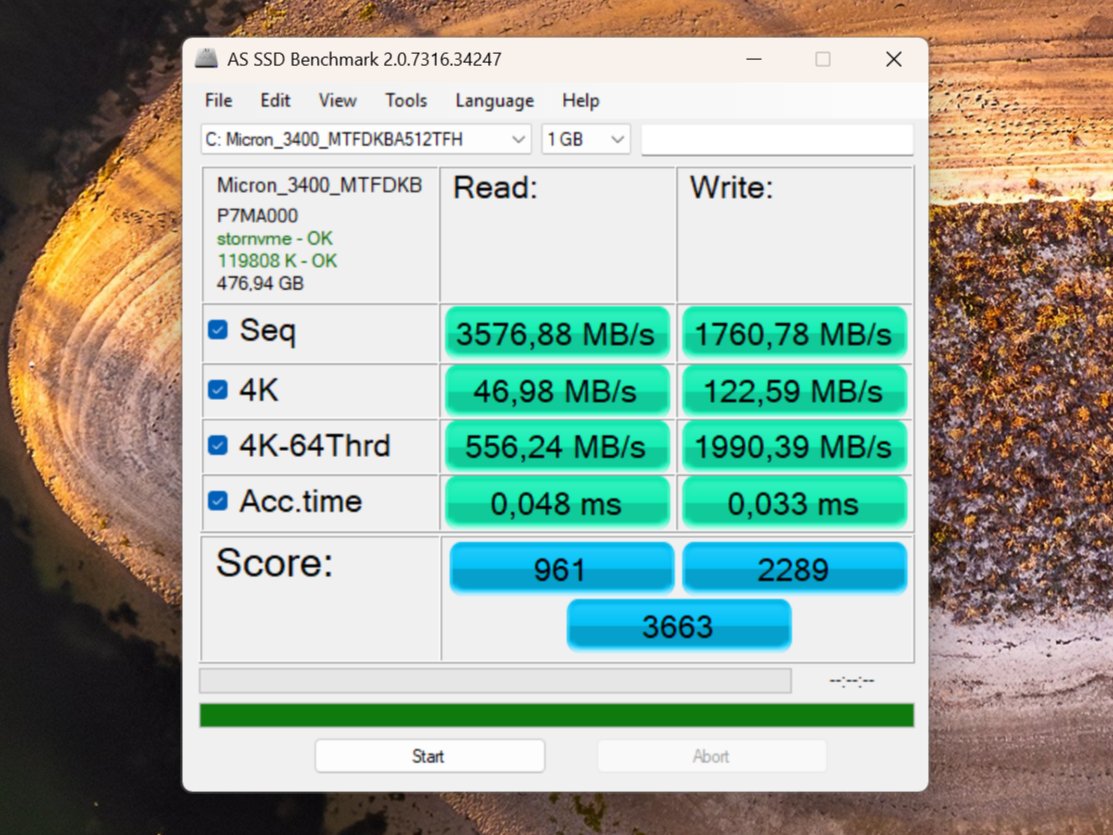
Image credit: Noteboocheck
Despite these impressive findings, users considering manually enabling this driver should exercise extreme caution. The driver is not yet universally enabled by default for all hardware setups. Reports suggest that forcing nvmedisk.sys through registry edits could result in significant system instability or even prevent the system from booting if the SSD controller lacks the necessary compatibility. To check the currently active driver, users can access Driver Details within Device Manager.
Considering the risk of data loss or rendering partitions unbootable, manually changing drivers without a complete disk backup is strongly discouraged. Although the performance improvements are appealing for those seeking benchmark records, this new driver remains in an early, unofficial release phase.
