

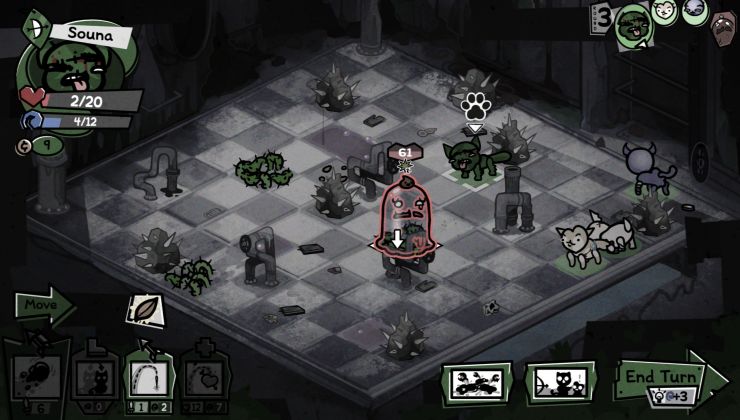
Mewgenics, the latest creation from Edmund McMillen and Tyler Glaiel, has officially launched and promises to be a significant time investment for players. This review is based on a key provided for evaluation.
The game embraces a unique blend of excitement and sheer oddity. Given its lineage from the creators of titles like The Binding of Isaac, Super Meat Boy, Closure, and The End Is Nigh, players should anticipate anything but a conventional experience. It delivers on its promise of the unconventional, often involving copious amounts of fecal matter.
The game’s premise evokes the famous line from Jurassic Park: “Your scientists were so preoccupied with whether or not they could, that they didn’t stop to think if they should.” However, instead of dinosaur DNA, players manipulate feline genetics to produce some of the most bizarre cat combinations imaginable.
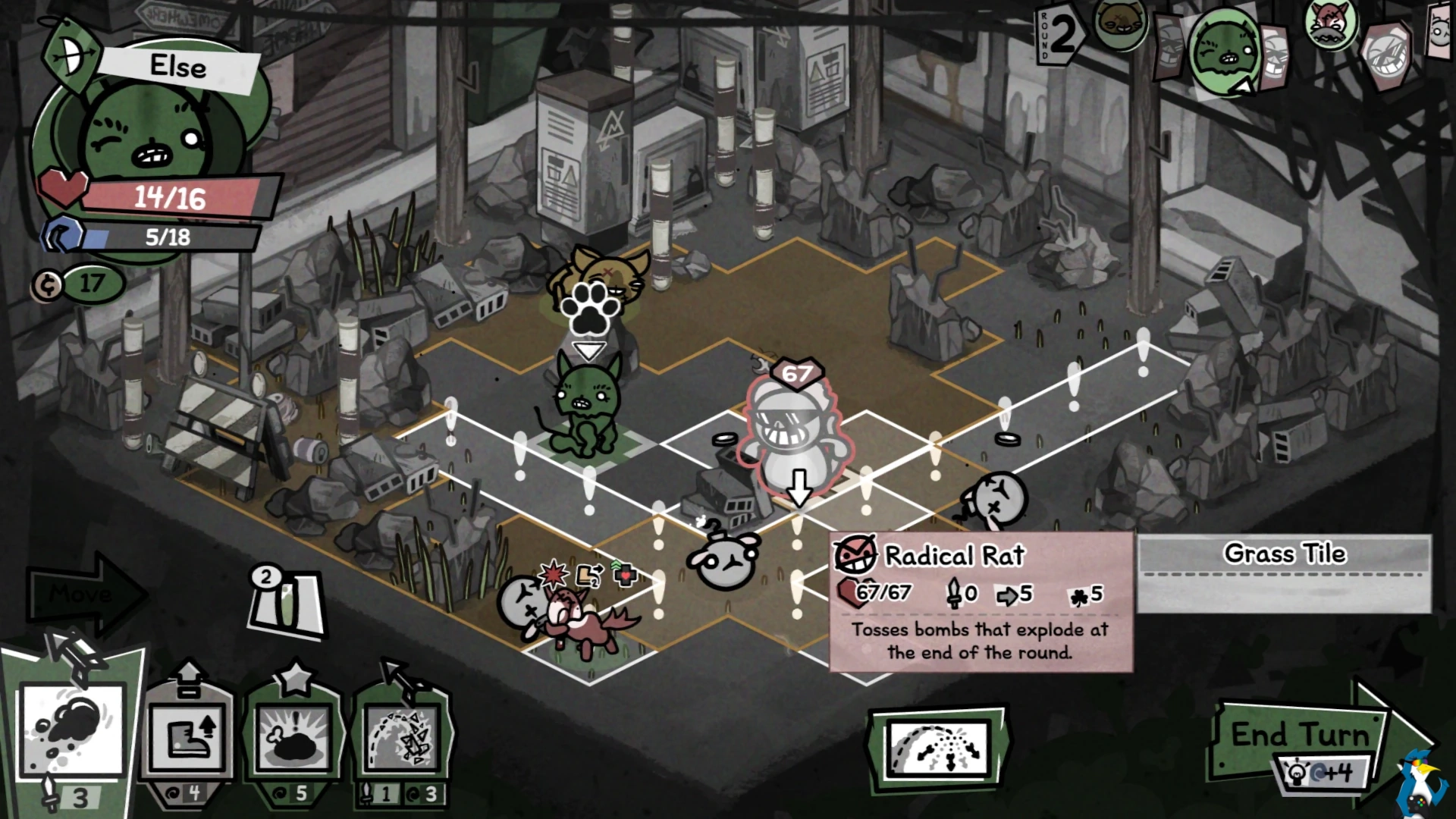
At its core, Mewgenics revolves around breeding cat armies. It presents a chaotic fusion of genres, built upon two main pillars: intricate cat breeding mechanics and engaging turn-based tactical battles, offering a wide array of strategic choices.
The game begins with a brief tutorial, introducing players to a mad scientist who instructs them to select two starting cats amidst eccentric dialogue about feline-driven world alteration. Players are then thrust into the world, undertaking a short introductory adventure with another character previously expelled by the scientist, which covers the fundamental mechanics. Beyond this initial guidance, players are largely left to discover the game’s intricacies independently.
Adventures involve navigating a map composed of various nodes, including standard battles, encounters, shops, and boss fights. Upon completing a run, players return home with accumulated money, items, and food. Cats that have participated in an adventure are automatically retired and cannot embark on further expeditions.
Embarking on an adventure requires a team of four cats. Fortunately, older cats can breed, producing kittens overnight to expand the roster. These new kittens inherit abilities and stats from their parents and require a day to mature before they can join adventures. Additionally, unique stray cats may appear at the player’s house, offering another way to grow the feline collection. Maintaining a sufficient number of cats is generally not a problem, unless combat performance is consistently poor.
Should the player lack enough cats, days can be advanced until more felines are acquired to fill the house. This introduces resource management, as each cat consumes one food unit per day, necessitating a well-stocked pantry.
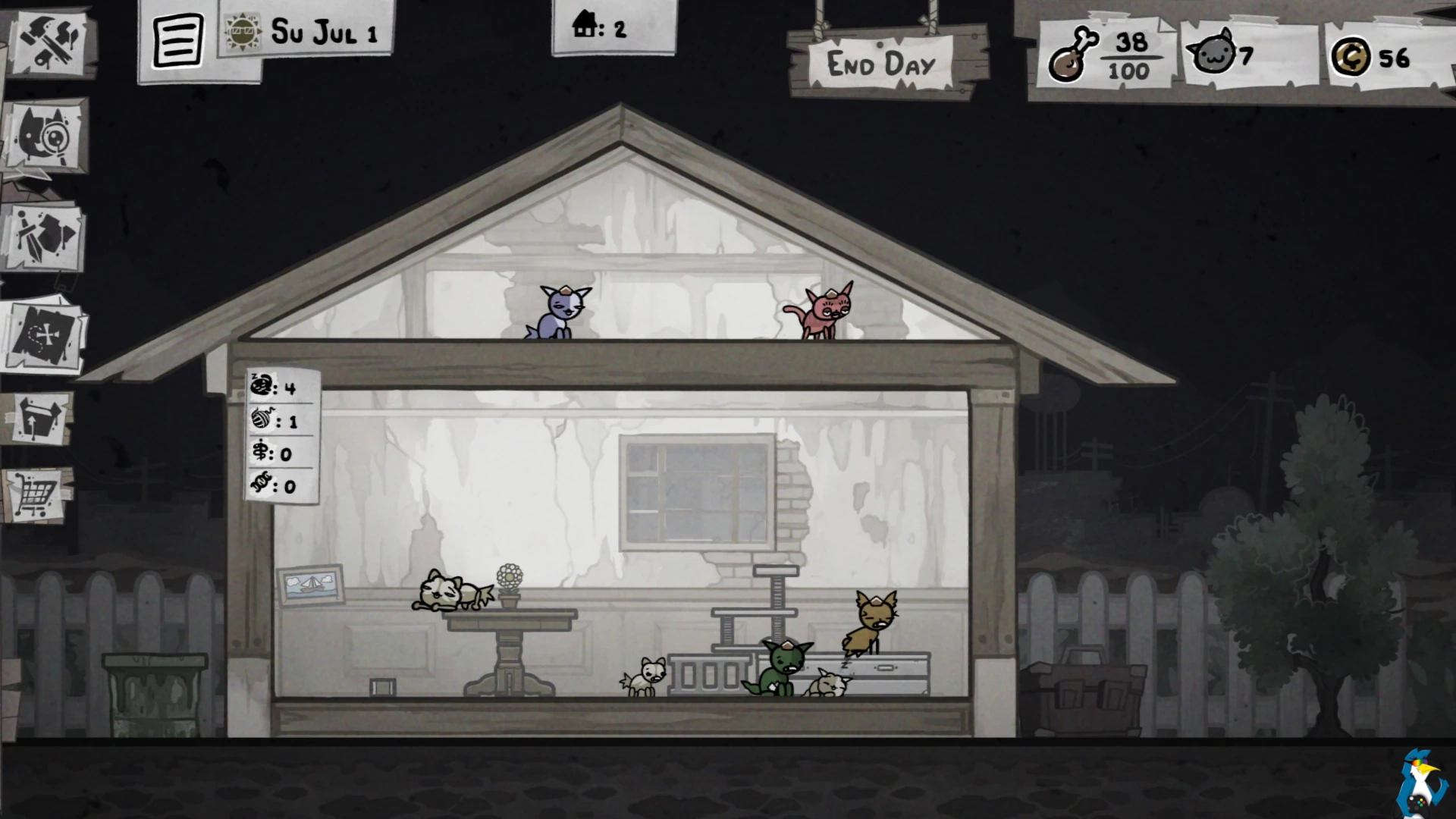
House management is another crucial aspect, requiring players to ensure their feline companions’ comfort. This involves learning their preferences and adding new items as the house expands.
Combat unfolds as a turn-based tactical strategy. Players navigate a grid-based area, positioning cats to execute attacks and abilities according to their range. Some cats excel in close-quarters combat, while others strike from a distance. Attacking enemies from behind grants bonus damage. The system bears a resemblance to Into The Breach, though it offers significantly more variety and demands comparable strategic focus.
Opponents vary widely, encompassing other cats, flies, maggots, fleas, and more. These adversaries also possess distinct abilities, often presenting challenging attacks that players must overcome.
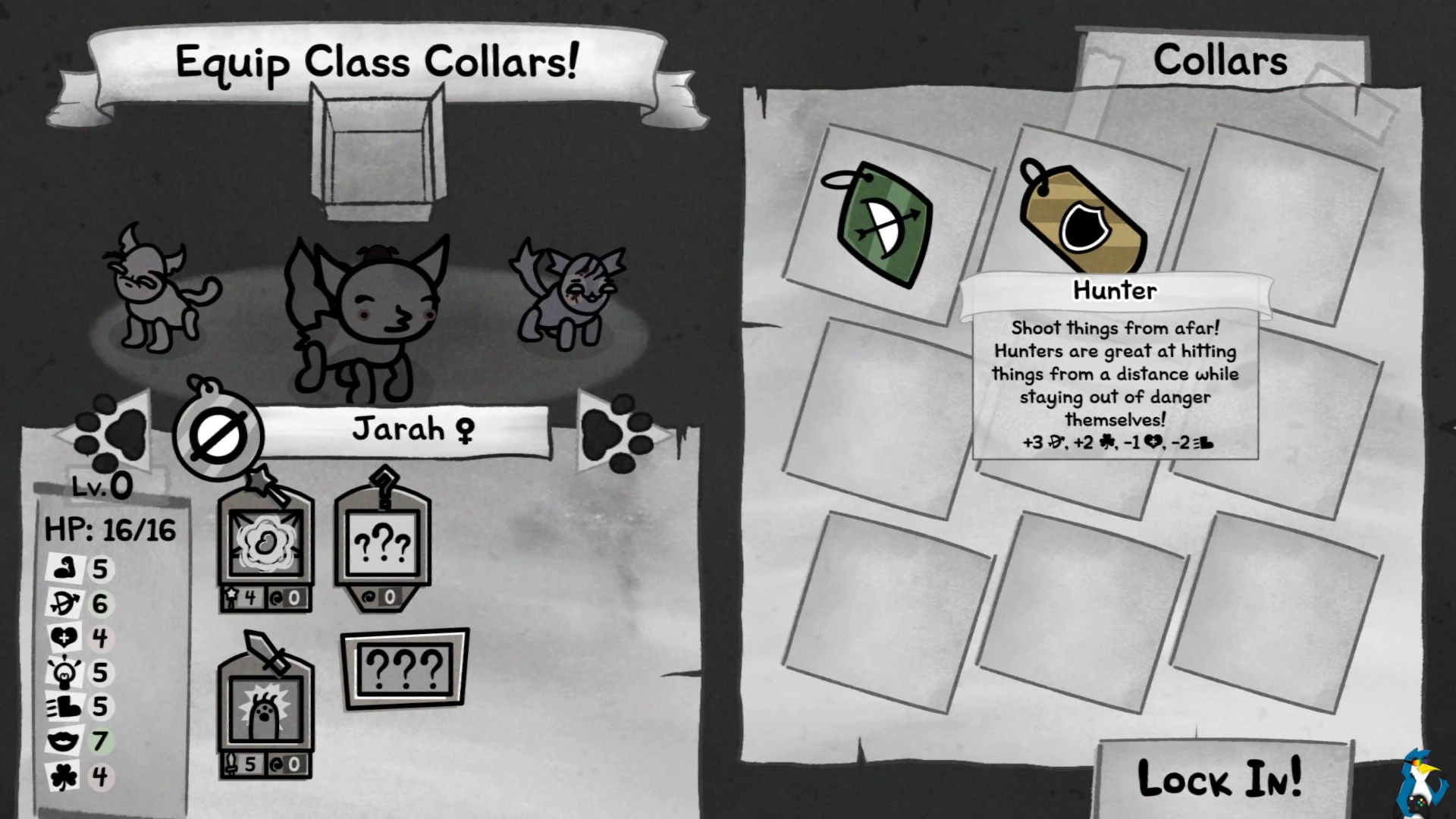
Each cat in the player’s team boasts a unique combination of basic abilities, spells, and passive traits. Spells can be cast repeatedly as long as mana, gained each turn or from equipped items, is available. Strategic mana accumulation for powerful later-turn attacks is a viable tactic. Cats are assigned classes by equipping collars before a run, and they can level up during adventures, gaining strength and unlocking new active and passive abilities.
The combat system features multiple layers of depth. Each cat possesses individual health, and can be downed, potentially leading to permanent death. While losing all health in a fight initially only downs a cat, incurring debuffs, a downed cat can still be targeted and permanently killed during the battle, even by friendly fire, which can be particularly impactful if players grow attached to specific feline abilities.
Items add another layer of strategic consideration. Players collect various items during adventures and can purchase more from shops both during and after runs. While some items offer significant power, others provide more subtle benefits, with their collective variety greatly enhancing the game’s depth.
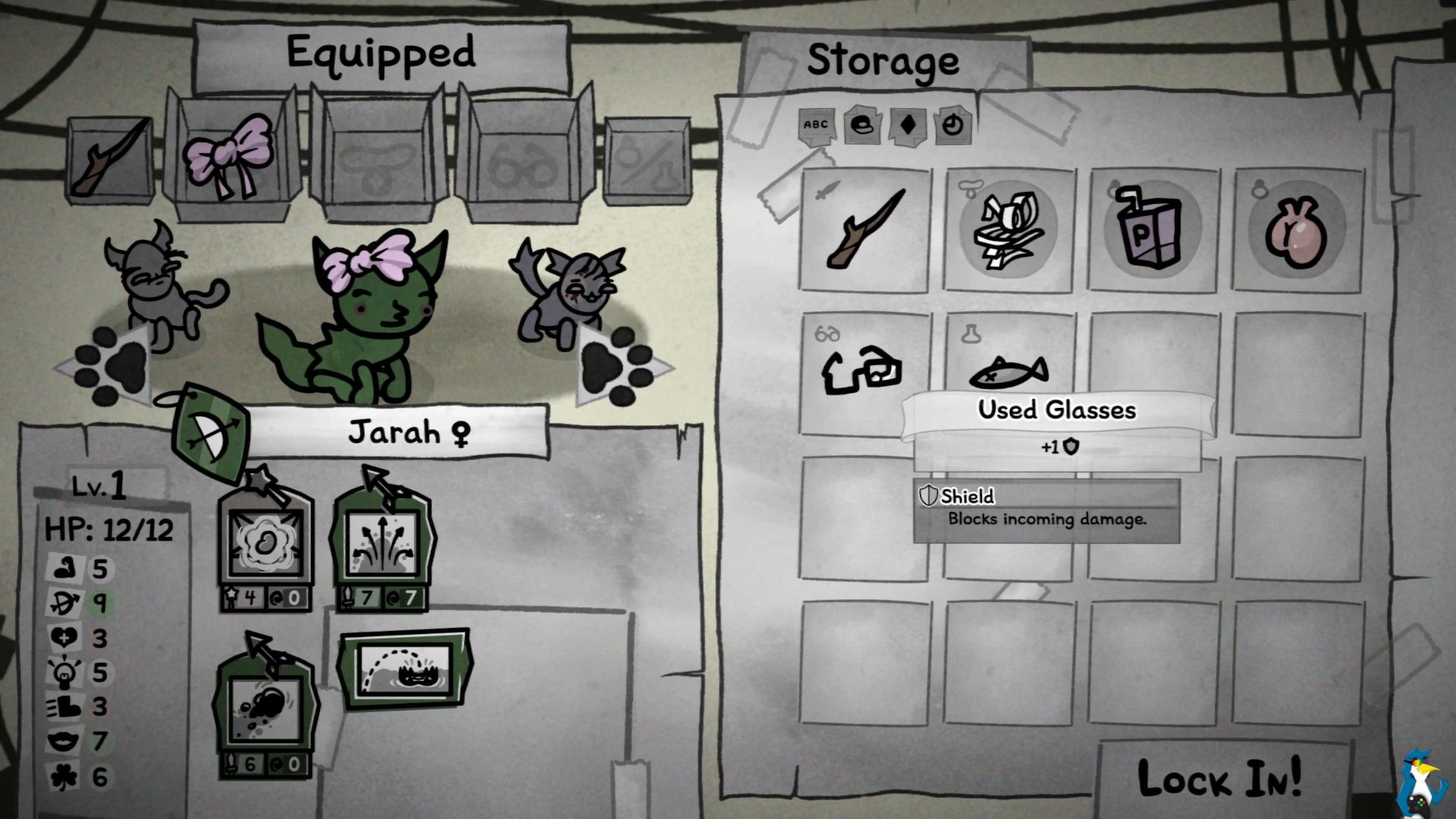
The game features an impressive and often humorous array of abilities. Examples include a cat that could “Butt Scoot” for extra movement, leaving behind a maggot familiar, and another with a “Forbidden Fart” ability that poisoned enemies, knocked back units, and carried a “permanent consequence.” The scientific nature of the game encourages experimentation with such abilities to discover their effects.
The “Forbidden Fart” ability proved to be quite amusing in practice. However, its use resulted in the cat gaining a kamikaze effect, causing it to explode if downed. Subsequent use inflicted depression, lowering the cat’s stats. Such abilities often come with significant trade-offs, as demonstrated by the cat’s eventual demise due to the kamikaze effect in a later battle.
The game consistently introduces abilities that evoke strong reactions, often leading players to discover even more entertaining or strategically powerful combinations as they progress.
Map environments present their own dangers and challenges, particularly in later stages. Various hazards appear, such as damaging spikes, slowing water, current-affected water that moves units, and harpoons that pull characters. Navigating these environmental conditions alongside enemy abilities creates a comprehensive challenge. A common frustration arises from mis-clicks, accidentally targeting empty tiles and wasting actions. Fortunately, an option exists to require a double-click for targeting empty tiles, which can mitigate this issue.
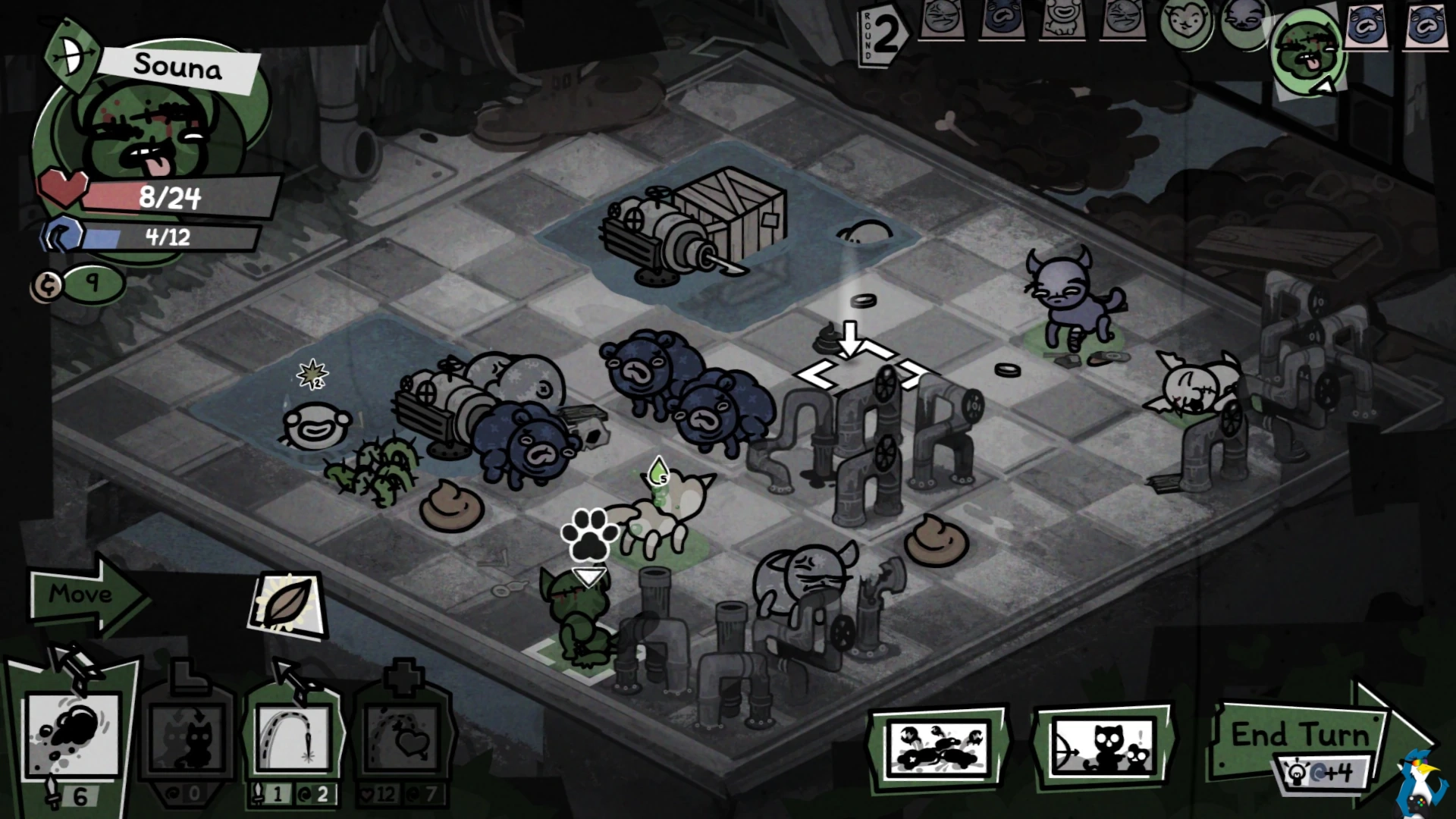
The enemy AI occasionally exhibits questionable intelligence, which can be both an advantage and a drawback. Opponents may inadvertently harm themselves by moving over hazards like spikes and fire, even their own traps. However, they are also adept at utilizing their abilities to hinder players. Success hinges on leveraging every tile and ability to block enemies, push them into one another, and deploy traps. This is often challenging due to the intricate interplay of abilities and enemy combo attacks, which can lead to abrupt run endings. Improvements to the AI could enhance the experience, as some victories can feel unearned due to enemy self-sabotage.
A notable frustration stems from occasional battle imbalances, particularly in certain boss encounters. Enemies often exhibit high mobility, leading to punishing situations that can feel insurmountable without specific team ability synergies. This is exacerbated when multiple cats are downed, allowing enemies to take consecutive turns while the player is left waiting.
Players gradually uncover various elemental systems, encouraging further ability experimentation. These include fire, ice, lightning, and water, among others. For instance, a challenging early boss constantly drops fire-spreading bombs, but a cat bred with the ability to create water tiles by urinating around itself can effectively extinguish these flames. Numerous engaging mechanics like this await discovery. Beyond abilities, environmental weather effects during a run also influence outcomes; wind might push units, and lightning strikes can electrify water tiles.
In-game events are often humorous and diverse, ranging from irresistible trash cans for cats to encounters that inflict negative effects on the team. Some events yield useful items or introduce new cats to the roster. Many are instantaneous, while others require player choices, with outcomes influenced by the stats of the cat encountering them.
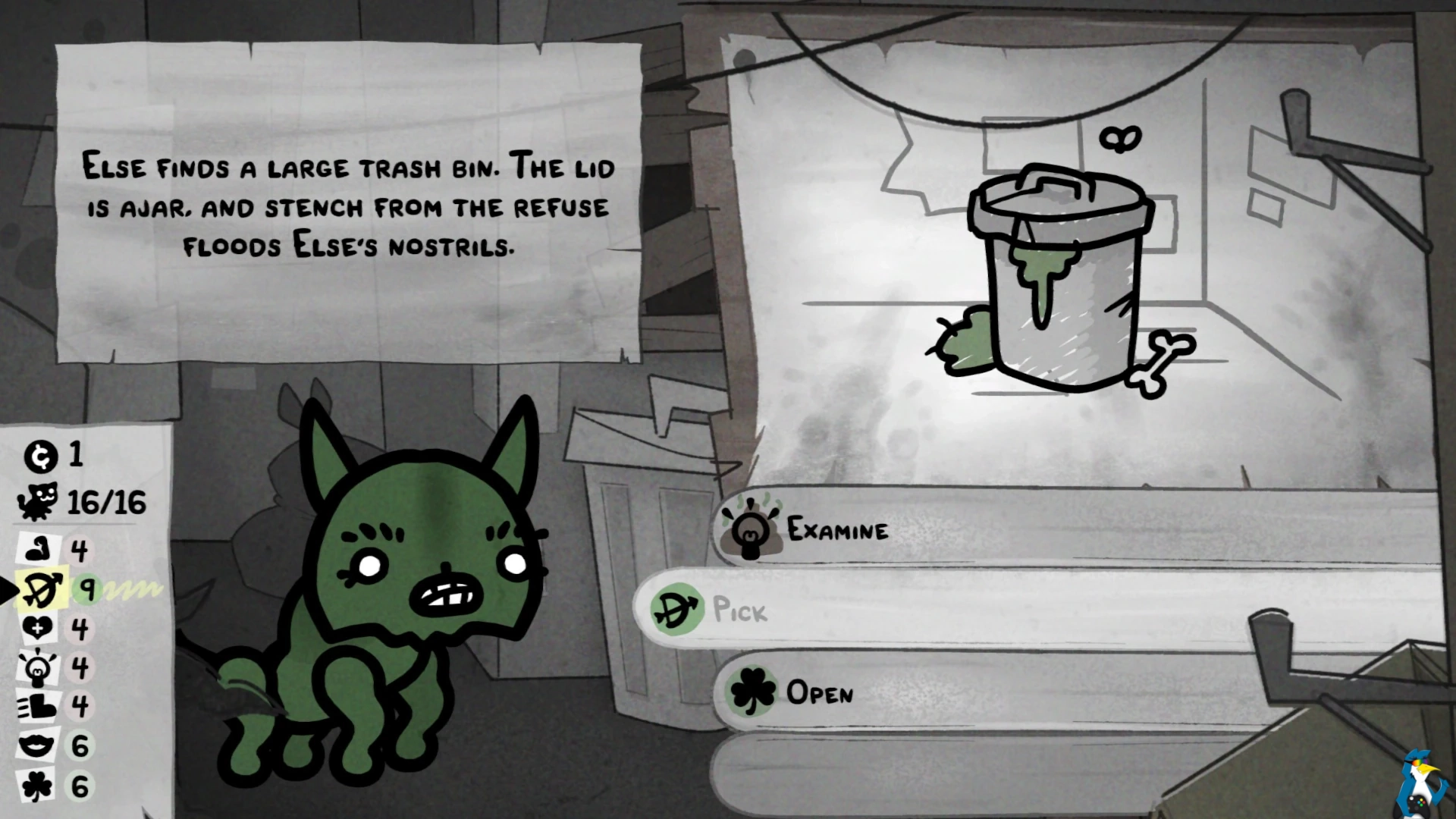
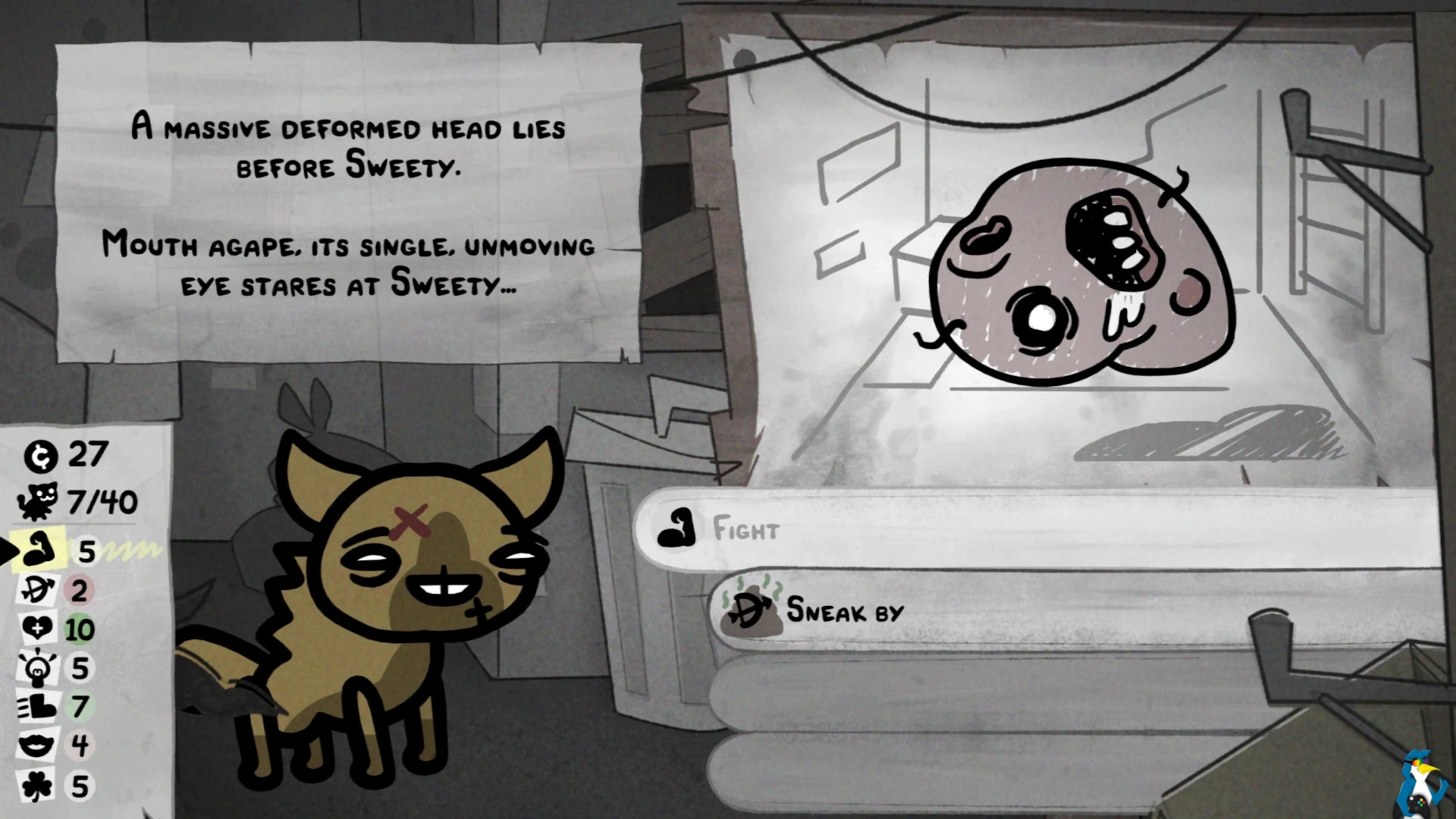
Illustrating the game’s absurdity, one event involves a cat orgy. Participation can lead to consequences such as dysentery and the ability to produce burning poop during combat, highlighting the unpredictable nature of outcomes.
At home, players accumulate a diverse collection of cats. Those with undesirable stats, potentially detrimental to breeding or combat, can be disposed of via a mysterious pipe. This pipe offers various destinations, such as the trash for simple removal, or Frank’s Sewer for house bonuses, among other options providing different rewards. A peculiar zombie in a box also collects deceased cats in exchange for a chosen resource. These vendors are crucial for progression, as numerous cats will be sent through the pipe to unlock further content.
Additional challenges arise from the cats themselves; a house full of bred and stray felines inevitably leads to conflict. Fights can result in debuffs like concussion or even death, which can be particularly frustrating if a favored cat with unique stats and abilities is lost. Players must manage these conflicts by separating cats into different rooms as the house expands. This process involves considerable trial, error, and experimentation, contributing to the game’s enjoyment.
A notable concern is the absence of certain accessibility features. For example, when playing on a TV via a docked Legion Go or Steam Deck, visibility of enemies, especially in areas like the sewer, can be challenging due to low contrast and dark color palettes. Even on a PC, distinguishing enemies from backgrounds can sometimes be difficult. While a tactical view mode exists, transforming elements into plain blocks, it detracts from the game’s visual style. Future updates could benefit from additional accessibility options, such as toggleable enemy outlines. Other settings, like tooltip and status bar sizing, and the removal of graphical features like noise, grain, and vignette, are already available.
Many additional game elements remain unmentioned due to the sheer breadth of content and to avoid direct spoilers. A significant part of the game’s appeal lies in discovering its escalating absurdity. Players should anticipate dedicating many hours to this experience.
Overall, the game proves highly engrossing. Its catchy music and amusing cat voices contribute to a compelling desire for “just one more run” to explore new cat combinations. While detrimental to free time, its captivating nature is undeniable. The ability to save and quit a run at any point is a welcome feature, preventing players from being locked into extended sessions.
The game performs flawlessly on Desktop Linux using Proton 10 on Fedora KDE and is Steam Deck Verified. It also runs effectively on devices like the Lenovo Legion Go with Bazzite. However, gamepad controls are merely serviceable rather than ideal. Instances of shoulder buttons and D-pad controls becoming unresponsive or confused during UI navigation in battle were observed, often necessitating the use of the thumbstick as a mouse pointer.
Despite minor issues that are likely to be addressed, Mewgenics stands out as a highly recommended purchase. Its extensive content promises hundreds of hours of discovery, making it easy for players to return repeatedly.
