


Major PC manufacturers such as Asus, Acer, Dell, and HP are reportedly exploring new memory supply options. Reports indicate these companies are considering ChangXin Memory Technologies (CXMT) from China as an alternative to established suppliers like Samsung, SK Hynix, and Micron.
This shift is reportedly driven by a global memory shortage, as leading suppliers prioritize High Bandwidth Memory (HBM) for high-margin AI infrastructure. This prioritization has created a significant supply gap for the consumer PC market, according to Nikkei Asia (via Wccftech).
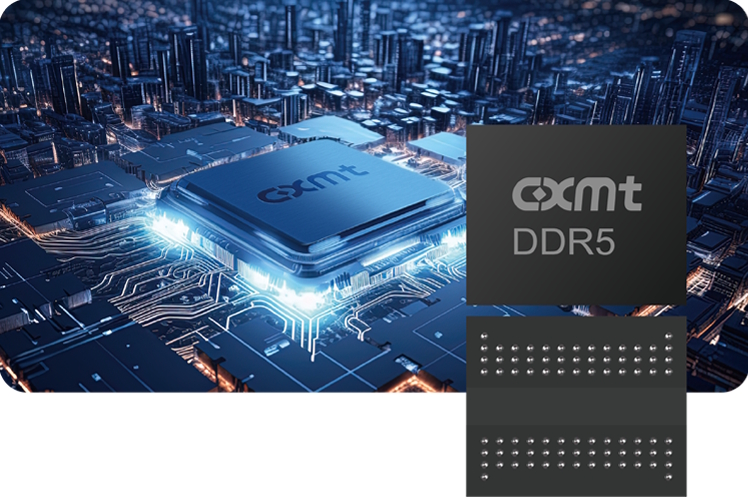
CXMT showcased its progress late last year by introducing DDR5-8000 and LPDDR5X-10667 modules. These modules reportedly offer competitive speeds, meeting or surpassing official JEDEC specifications, which could make them suitable for standard OEM laptops and desktops. CXMT produces these chips using a 16 nm manufacturing process, approximately three years behind the advanced processes of the “Big Three” memory makers.
If qualification phases are successful, many PC manufacturers might integrate CXMT memory into products for non-U.S. markets to mitigate rising costs and shipping delays. While some analysts raise concerns about national security or future trade restrictions, consumers often prioritize product availability and affordability over the DRAM source. CXMT is already shipping 12 Gb and 16 Gb LPDDR5X modules, potentially offering a solution for the consumer electronics sector, which has been increasingly sidelined by the AI boom. However, a Digitimes report indicates that CXMT’s pricing might not be significantly lower than competitors’.
The AI boom is compelling established PC brands to re-evaluate their operational strategies. If major memory producers continue to allocate wafer output to HBM and enterprise contracts, Chinese memory could become a common component in mainstream laptops and gaming systems.
