

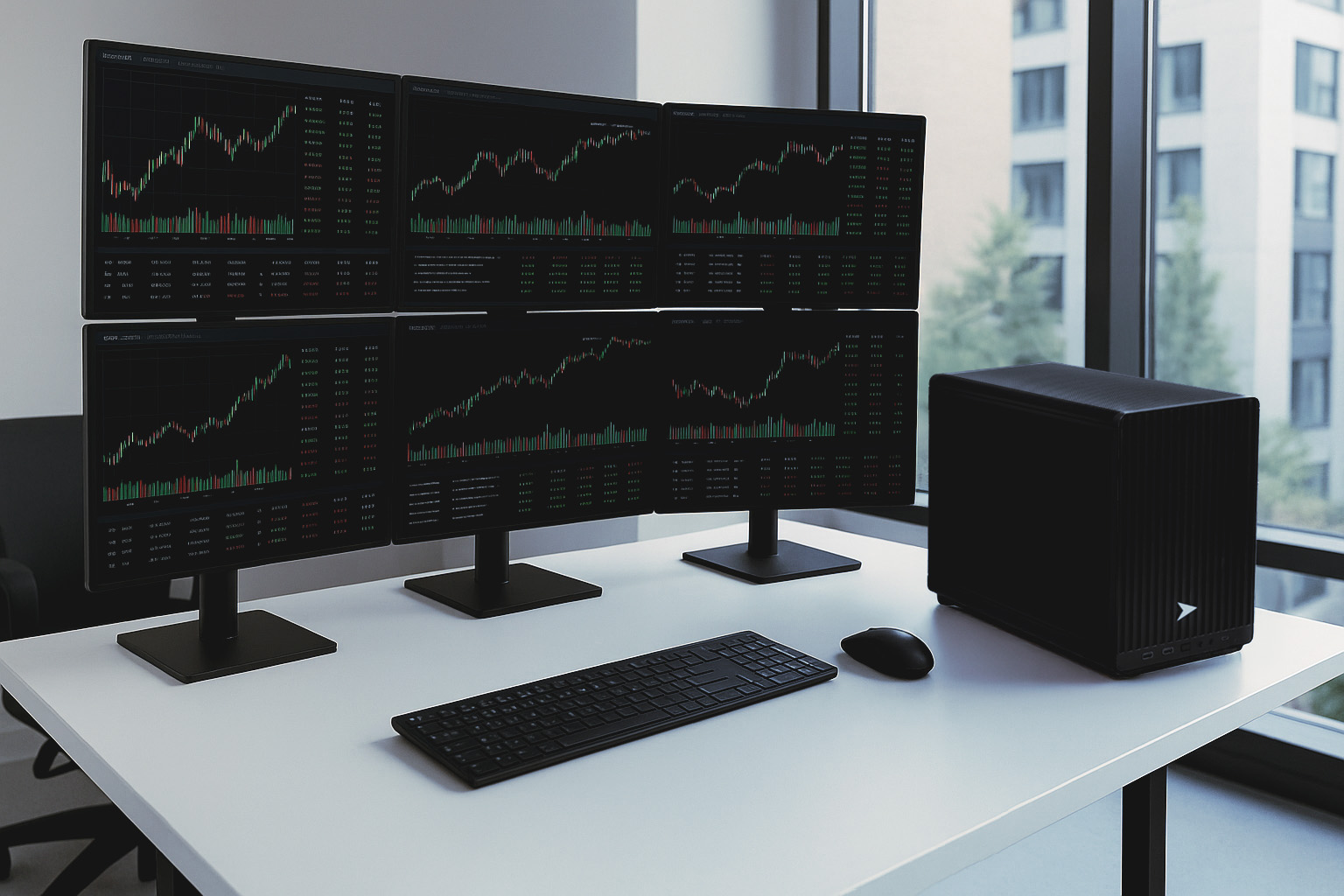
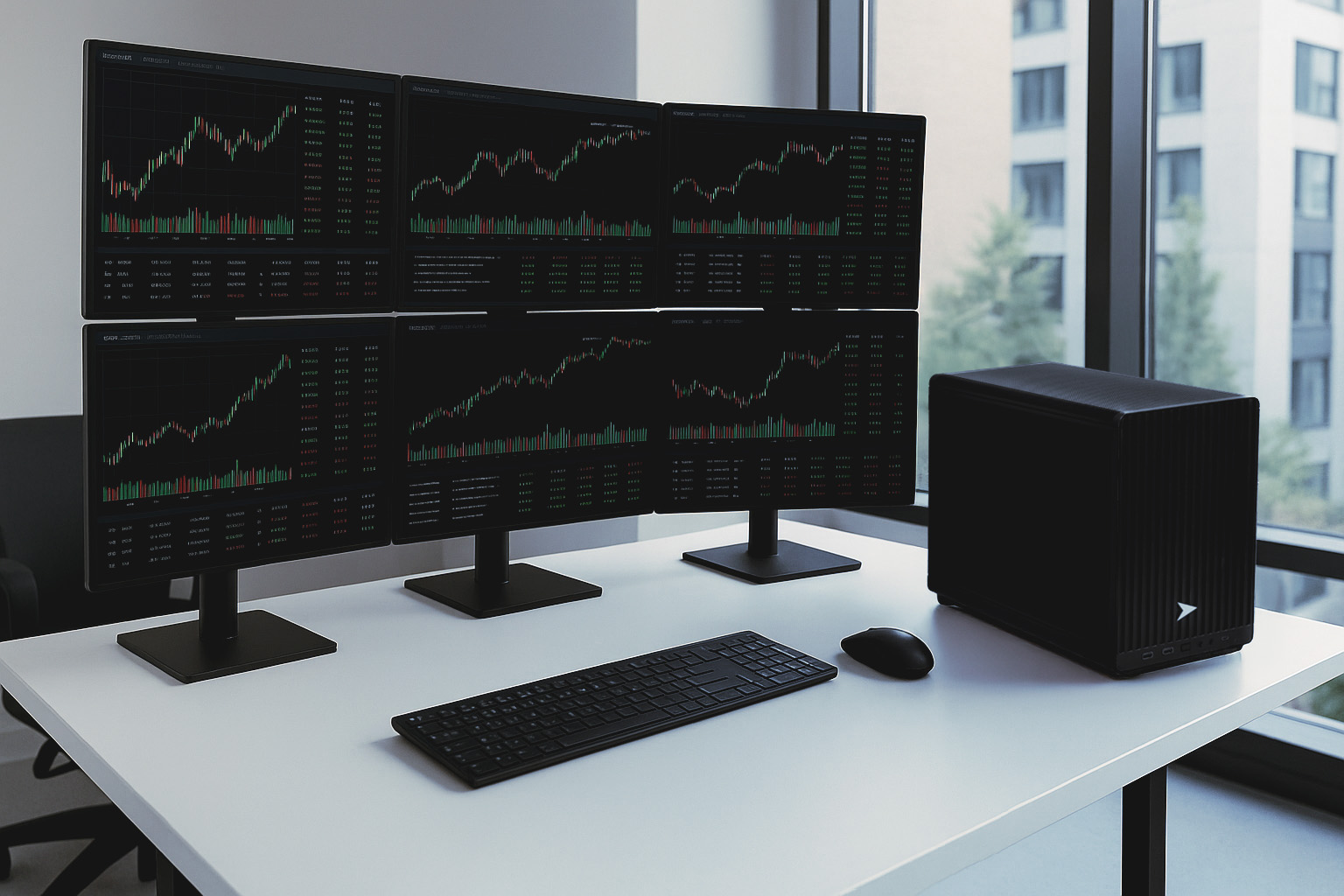
When constructing an optimal trading computer, peak performance is not merely an advantage; it is a fundamental requirement. In the demanding environment of day trading, swing trading, or options strategies, your system must adeptly handle real-time data, intricate charting, and simultaneous operations across multiple platforms.
Unlike typical gaming or general-use desktops, trading computers are specifically engineered to deliver uncompromising speed, stability, and comprehensive multi-monitor capabilities. Understanding the key elements involved in assembling a high-performance trading setup can provide a significant competitive edge.
1. Processor: Prioritizing Core Speed
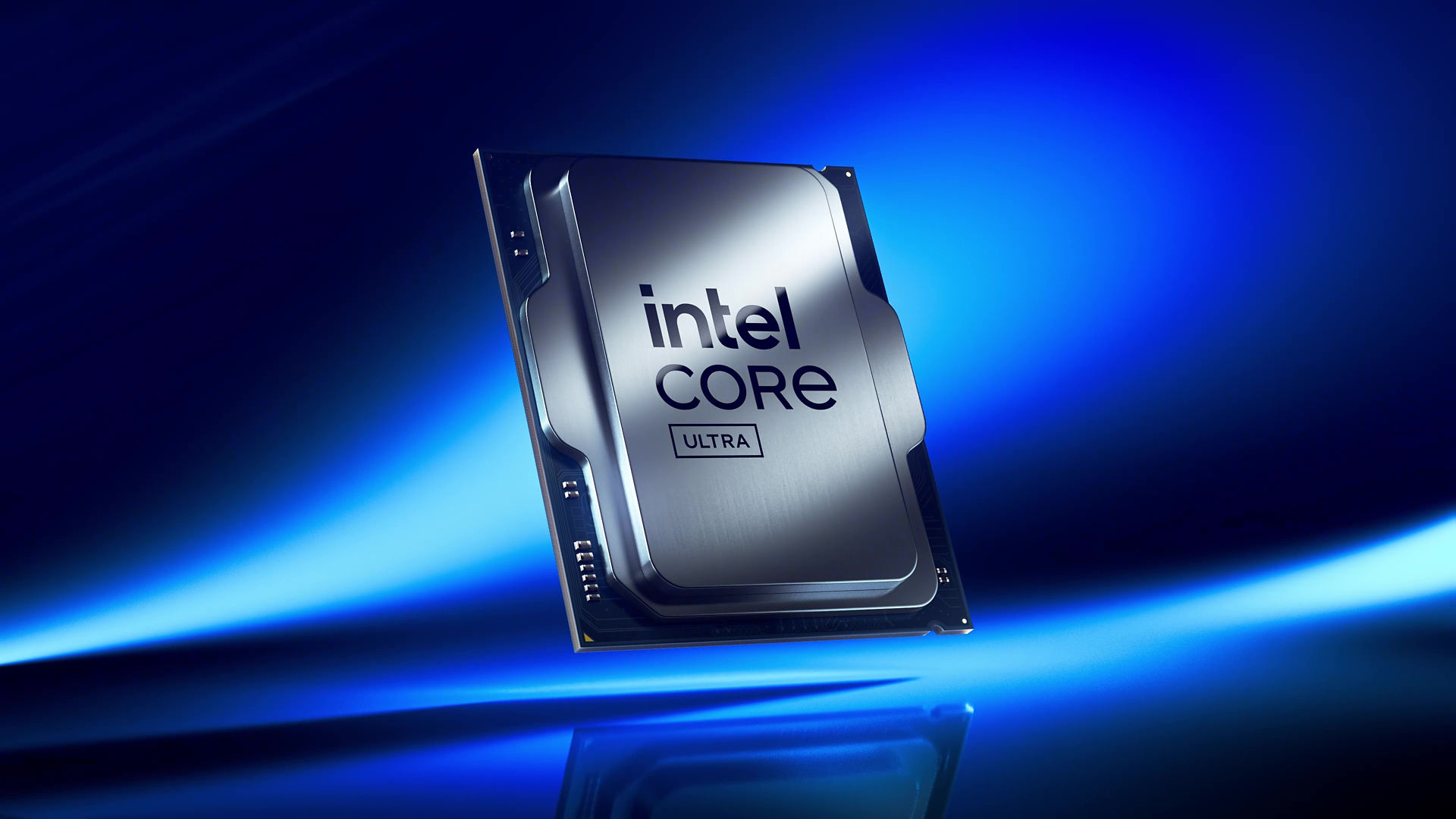
Most trading applications, such as ThinkorSwim, MetaTrader, or NinjaTrader, do not heavily rely on multiple CPU threads. This means that single-core performance holds greater importance than the sheer number of CPU cores. The most effective trading computers utilize CPUs like the Intel Core or AMD Ryzen series, which offer high clock speeds and rapid responsiveness across various open applications, charts, and market data feeds.
2. Multi-Monitor Graphics Setup
Trading is inherently a visual profession, with many traders utilizing 4, 6, or even 8 displays concurrently. To support such extensive setups, graphics cards designed for multi-monitor stability are necessary, rather than those optimized solely for gaming performance.
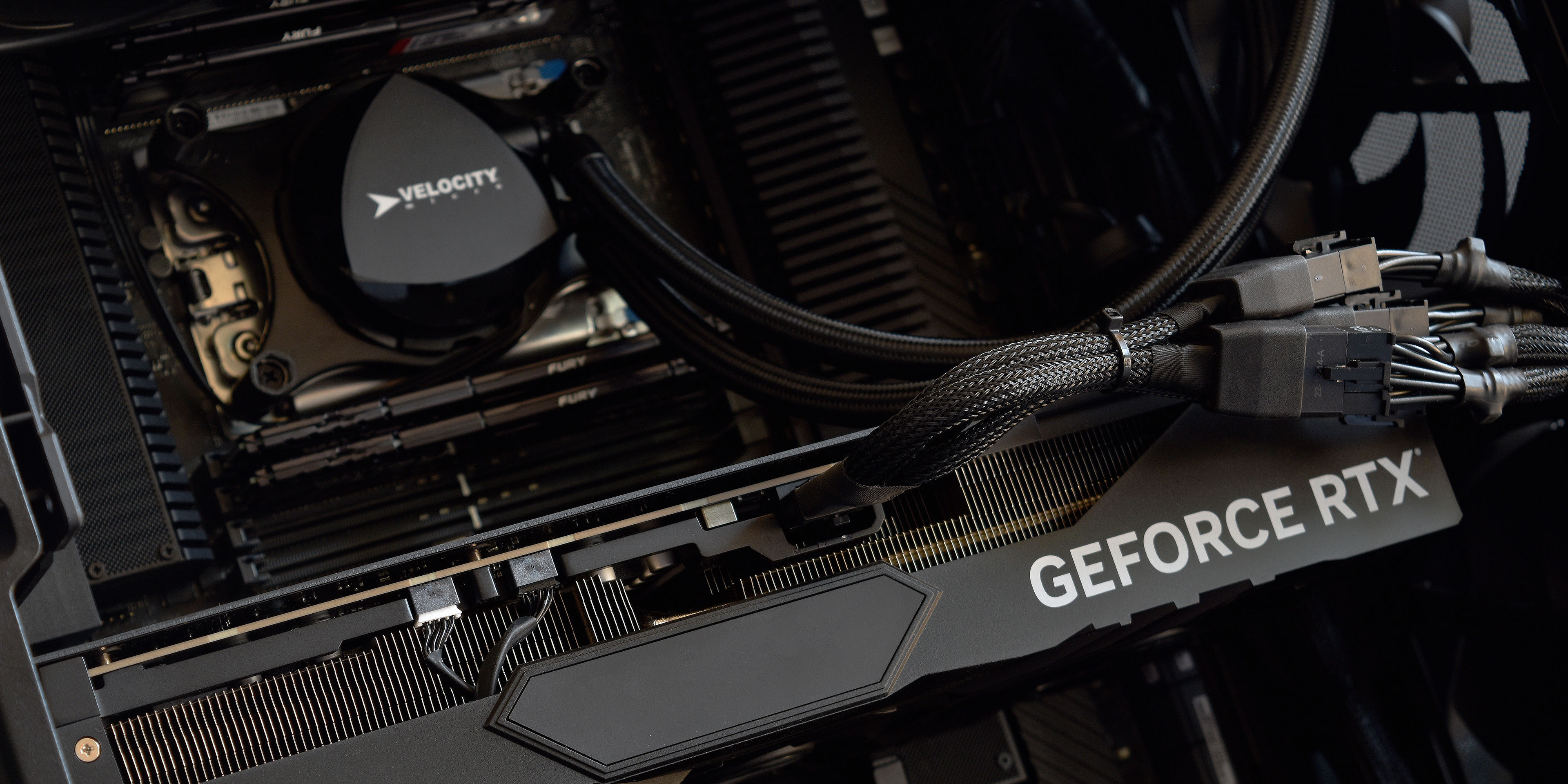
Professional workstation graphics cards, such as the NVIDIA A1000, natively support multiple high-resolution displays. Consumer-grade gaming cards are often limited to 3–4 screens and may exhibit instability when expanded with adapters or USB display dongles. Professional cards like the A1000 offer easier scalability for supporting five or more displays.
3. RAM & Storage: Efficiency Over Extravagance
Constant multitasking is a hallmark of trading, making RAM a critical component. A recommendation of at least 32GB of high-speed memory ensures that charts, web browsers, communication tools, and trading platforms remain responsive.
For storage, an NVMe SSD is essential, replacing traditional spinning hard drives. This guarantees rapid system boot times and platform loading in seconds rather than minutes. A 1TB drive is generally sufficient for most trading configurations.
4. Power, Cooling & Reliability
Unlike gaming PCs, optimal trading computers are engineered to operate quietly and dependably for ten or more hours daily. Key features to look for include:
-
High-efficiency power supplies (80+ Gold or Platinum rated)
-
Quiet CPU cooling solutions or closed-loop liquid cooling systems
-
Cases with optimized airflow and meticulous cable management
Flashy RGB lighting is unnecessary; the focus should be on consistent uptime and system stability.
Build or Buy?
For individuals with technical expertise, assembling a custom trading computer offers complete control. However, for many professionals, purchasing a pre-built, trader-optimized system saves time and ensures component compatibility, particularly concerning multi-monitor output.
Regardless of the approach, the crucial factor is selecting components chosen for long-term reliability, not merely benchmark scores.
Final Thoughts
Creating the best trading computer begins with understanding core priorities: high-speed CPUs, robust multi-monitor support, professional-grade GPUs, and unwavering stability. Disregard unnecessary gaming features; your hardware should perform with the same dedication you bring to trading.
