

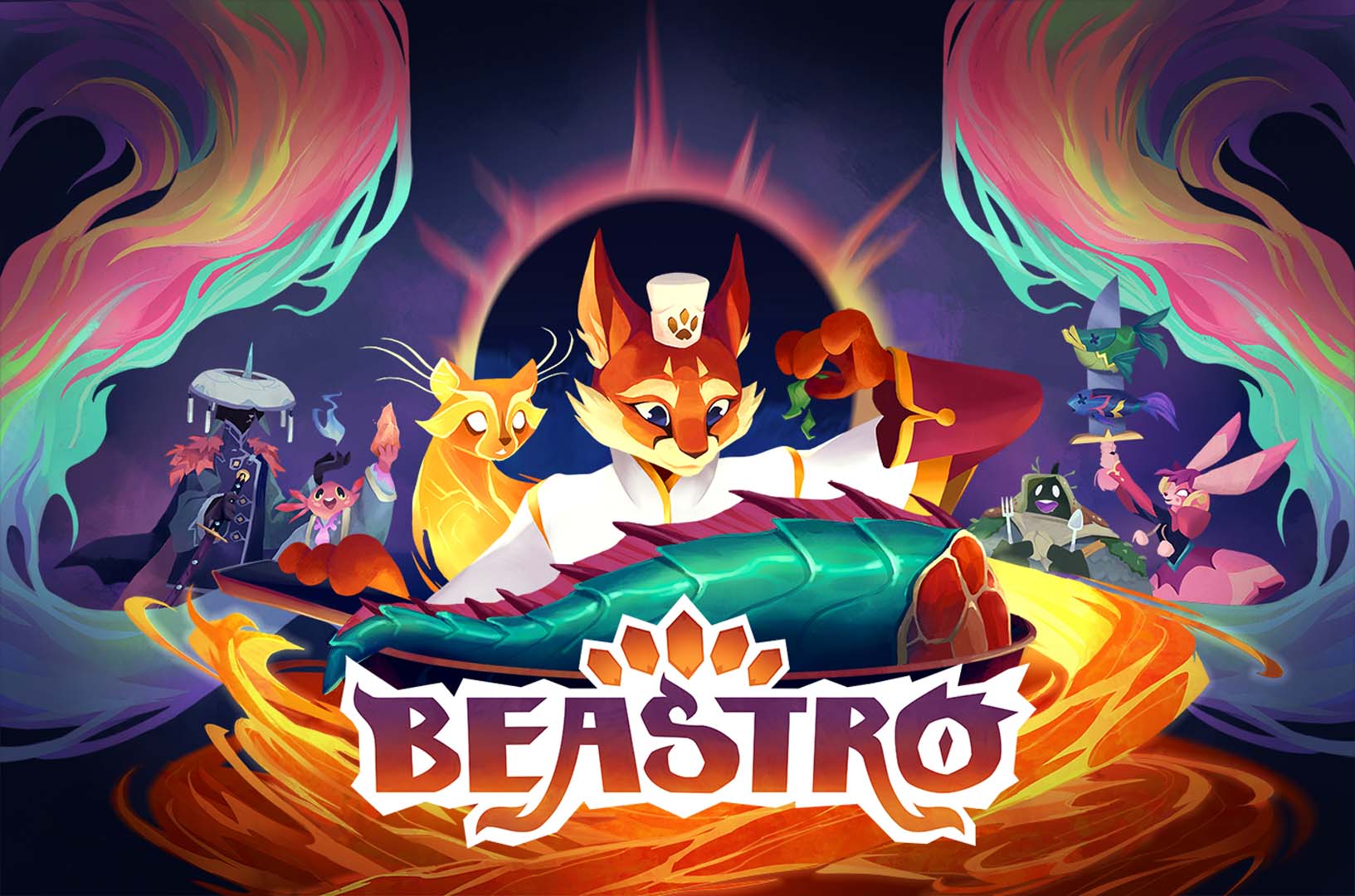
Imagine combining the comforting feel of a cozy game with the strategic depth of card games. This is the recipe for Beastro, an upcoming fantasy restaurant title from Timberline Studio. It blends elements inspired by the cat chefs in Monster Hunter, the quick challenges of WarioWare, the deckbuilding of Slay the Spire, and the narrative charm of Paper Mario and Avatar: The Last Airbender, all simmered in the rich broth of traditional trick-taking card games.
Lindsey Rostal, Director at Timberline Studio, recently discussed Beastro, the studio’s second major release following their 2020 narrative dogsledding game, The Red Lantern. Rostal described The Red Lantern as a narrative Oregon Trail with run-based replayability, focusing on the journey rather than just the destination.
Summary
- Beastro is an upcoming cozy/crunchy fantasy restaurant game from Timberline Studio.
- The game thoughtfully blends cozy elements with deckbuilding and traditional, trick-taking card games.
- It arrives on Xbox Series X|S and Xbox on PC this spring, including day one on Game Pass Ultimate.
Cozy with a Kick
Timberline Studio aims for a “cozy/crunchy” experience in its games. This means creating a vibrant, inviting world that feels cozy, but also offering substantial gameplay mechanics. The goal is to strike a balance: charming and low-stakes enough to be relaxing, yet engaging enough to provide depth beyond simple pleasant aesthetics.
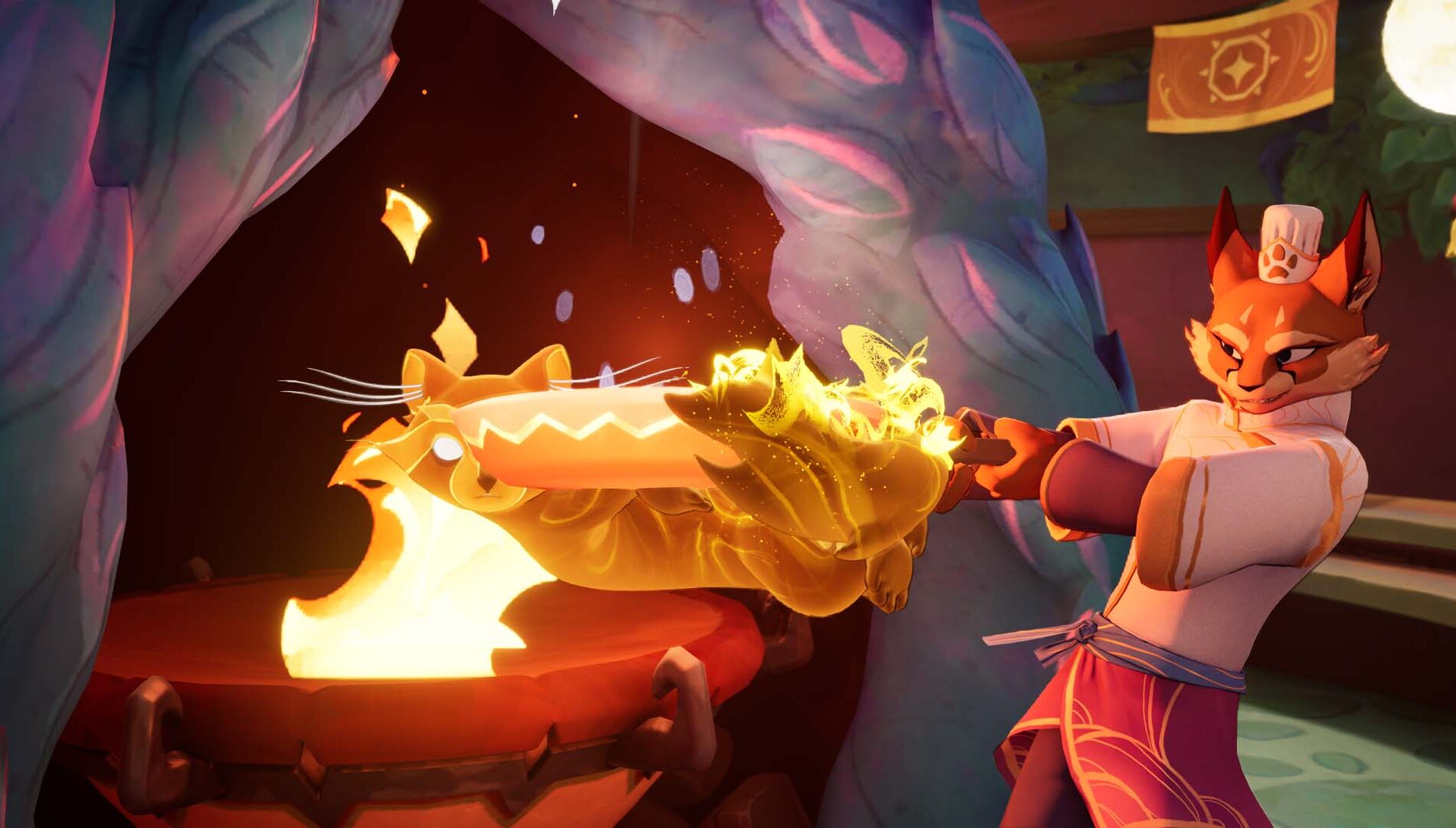
In Beastro, players take on the role of Panko, an anthropomorphic caracal cat apprentice chef in the idyllic village of Palo Pori. When the village’s chef disappears, Panko must step up to manage the restaurant. This involves growing and gathering ingredients, learning and preparing recipes, and feeding the community. A crucial part of this role is supporting the Caretakers, who venture beyond Palo Pori’s walls to defend against monsters.
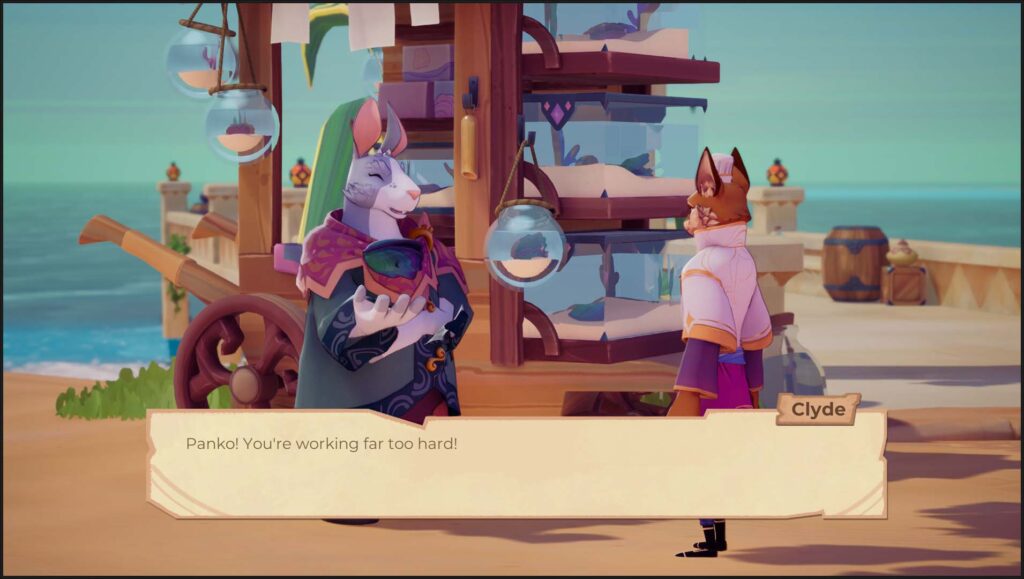
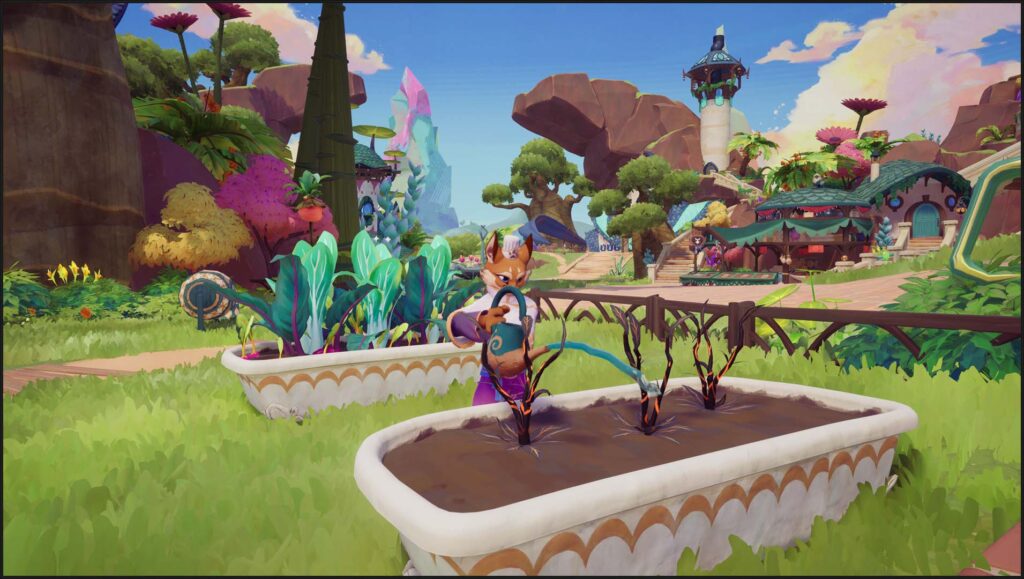
The game’s visual design immediately impresses with its vibrant colors and engaging aesthetic. Palo Pori itself appears as a delightful place to explore, reminiscent of the best cozy games.
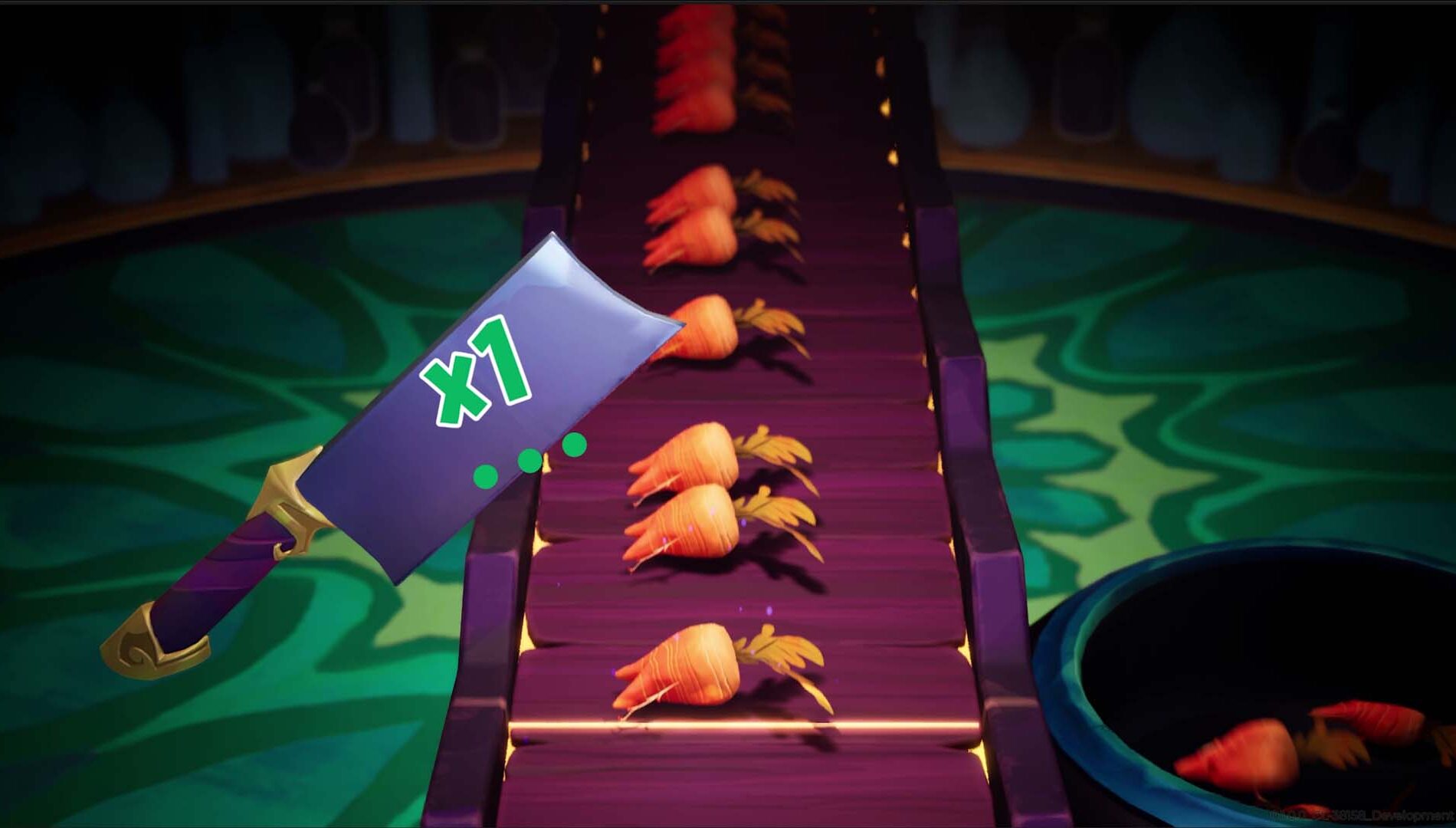
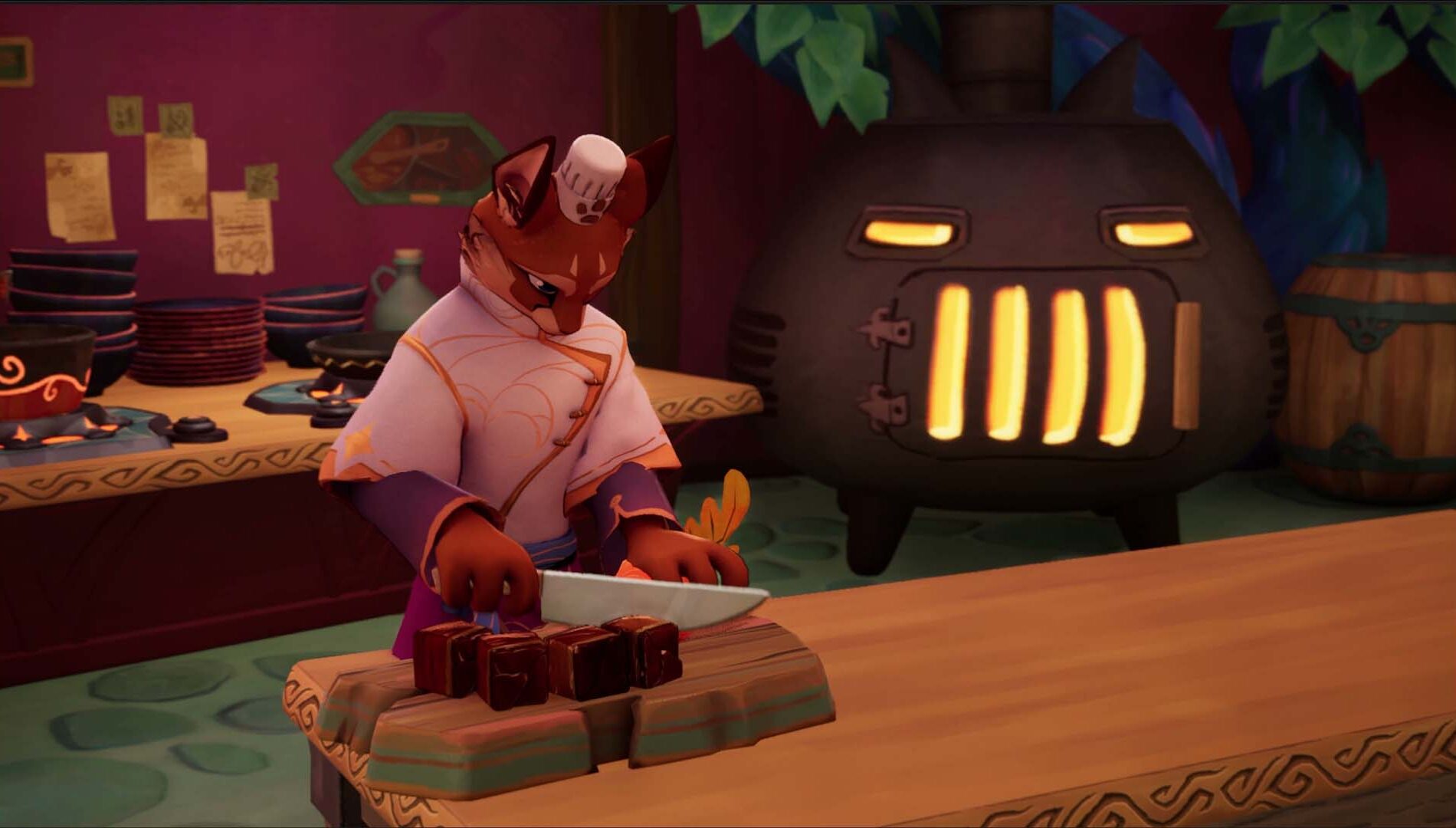
Various gardening, fishing, and gathering systems, inspired by cozy classics like Stardew Valley and Animal Crossing, provide the ingredients needed for cooking. As the game progresses, players can upgrade their kitchen and facilities by utilizing the town’s blacksmith and other merchants. Cooking for villagers each night involves WarioWare-inspired minigames for chopping, boiling, and sautéing, which gradually increase in complexity. These interconnected systems are designed to be relatively simple, avoiding unnecessary complexity to maintain overall flow and balance.
A World of Flavors
The initial concept for Beastro stemmed from a desire to play as the adorable Palicoes from the Monster Hunter series, known for their impossibly cute cooking animations. This inspiration extends beyond charm, highlighting a different kind of heroism. Rostal emphasizes that heroism doesn’t always involve wielding a sword, but can come from supporting others and building a foundation for the community.
The animated series Avatar: The Last Airbender also influenced Beastro‘s collaborative ethos and worldbuilding. While Avatar uses the four classical elements, Beastro structures its world and peoples around the five core flavors: Salty, Bitter, Sweet, Sour, and Umami. These different food cultures come together, emphasizing that they are stronger united than alone.
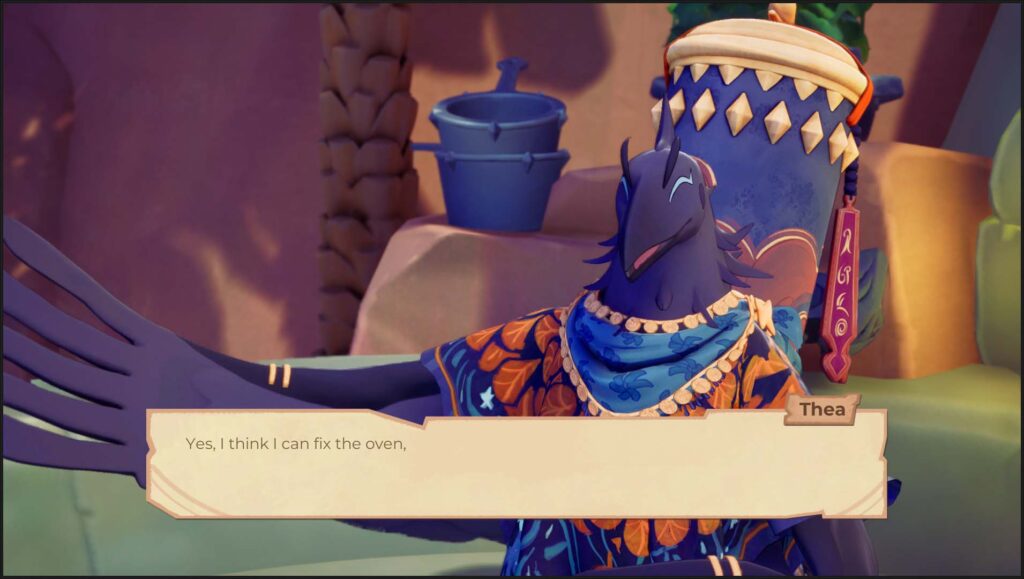
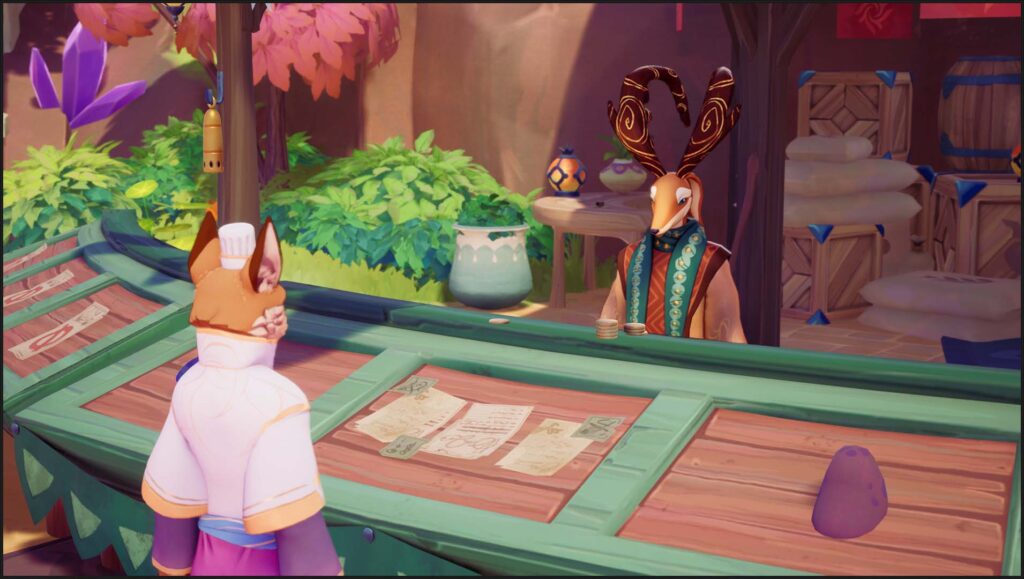
Each flavor corresponds to a region and its inhabitants, including the game’s Caretakers. It was important for the developers that these flavor factions did not linearly assign to a single culture, as flavors like Umami are universal. Instead, the flavors themselves are anthropomorphized. For example, Bitter is associated with black coffee and kale, embodying healing and a touch of pompousness. Kalan, a Bitter Caretaker, is depicted as mission-focused, rule-abiding, and principled, often acting as if he knows best.
The Core Card Mechanic
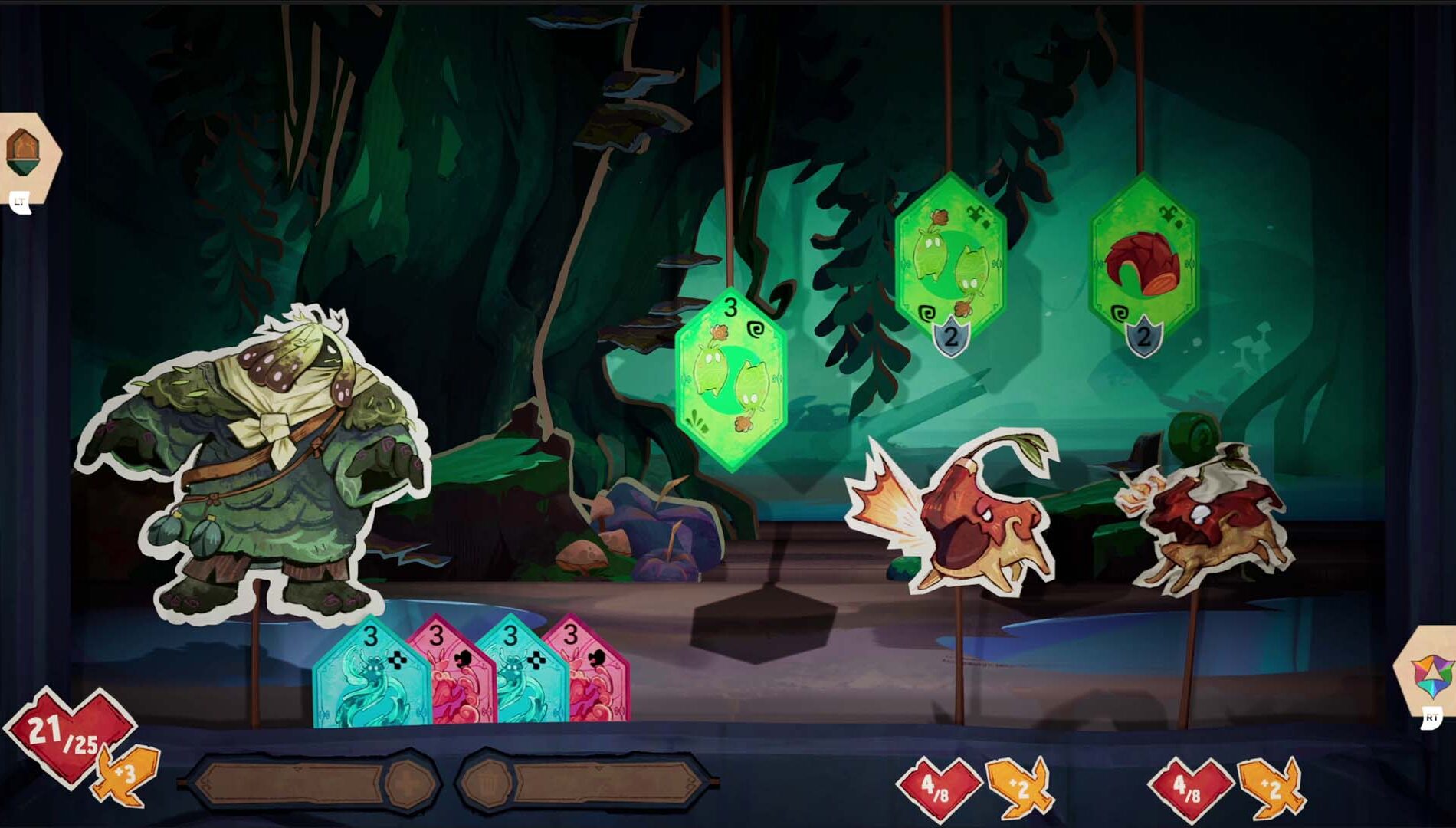
A standout feature that unifies Beastro‘s elements is its card game system, where flavors also serve as card suits. Each night, players feed a Caretaker, and the ingredients used contribute cards to their deck for battles outside of town. Ingredient cards have a flavor suit, a numerical value, and sometimes special effects.
Card battles are presented as a charming puppet theater sequence, narrated by the Caretaker after their adventures. This aesthetic, with its paper cutouts, is directly inspired by the Paper Mario RPG series, which also informed the game’s light and witty writing. During gameplay, this aesthetic leads to delightful moments, such as when a monster’s fire attack singes cards in hand, while sweet-suited cards might caramelize, gaining additional effects. This clever attention to detail is a hallmark of Beastro.
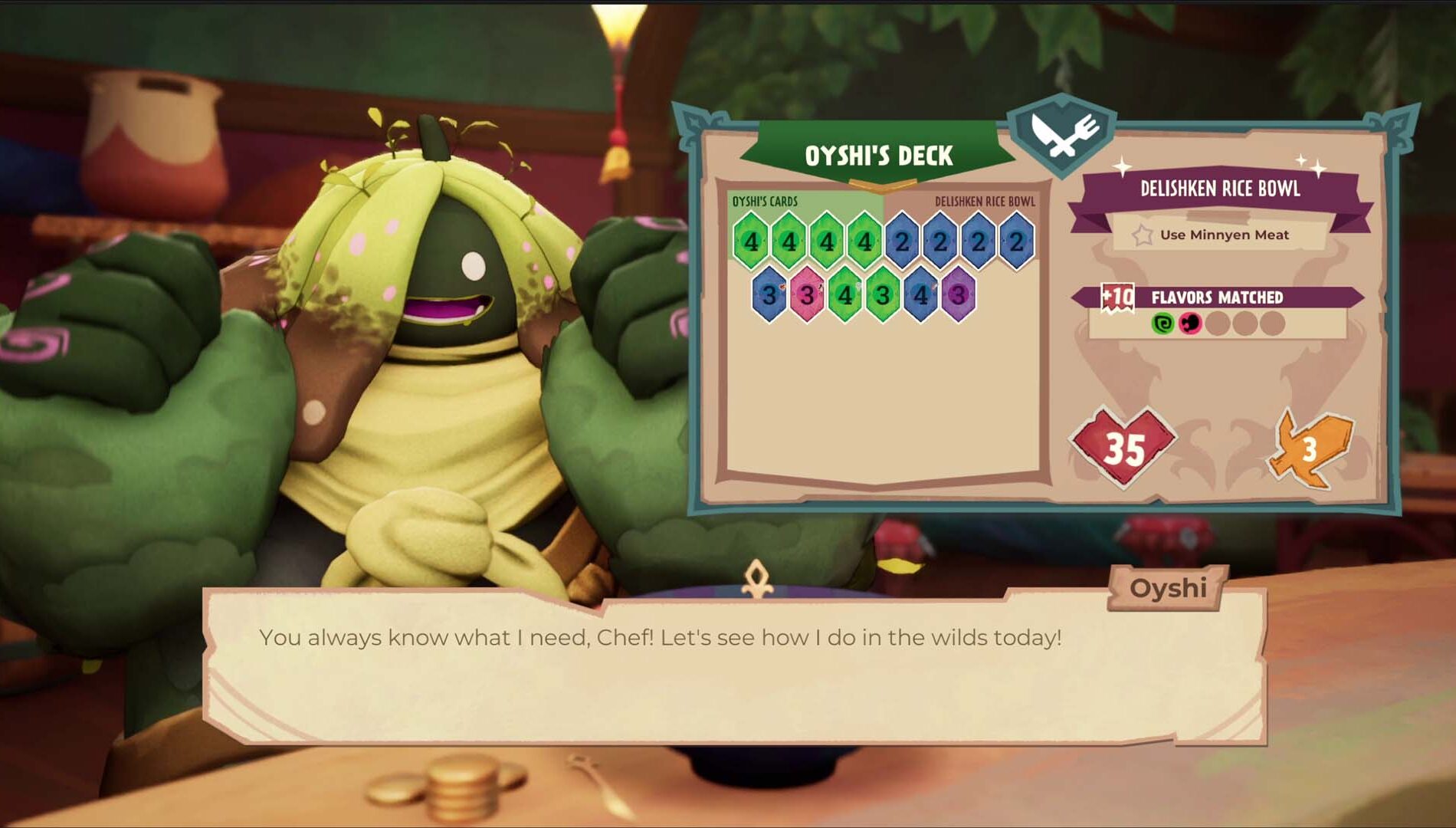
While drawing from the roguelike deckbuilder genre, the card game’s core is deceptively simple and classic, designed to be accessible to players who might be new to card games. Rostal notes that while games like Magic, Pokémon, Slay the Spire, and Monster Train are beloved, their complexity can be daunting for players primarily drawn to cozy games. Therefore, the design leans towards traditional trick-taking games like Spades, Hearts, Euchre, and Bid Whist, which many people grew up playing.
The success of recent roguelike Balatro, which innovates on poker hands, highlights the untapped potential in iterating on traditional games. These foundational game structures have endured for good reason. The trick-taking core of Beastro‘s card battles makes them easy to jump into, yet offers significant strategic depth as players unlock more recipes and Caretakers, expanding deckbuilding possibilities.
Culinary Inspiration
Beyond other games and media, Los Angeles, the city where the developers reside, significantly influenced Beastro. Rostal describes LA as a vibrant food city where diverse cultures and flavors fuse. The game’s menu includes shoutouts to real, beloved LA dishes, serving as an homage to the city’s rich culinary landscape. This inclusion of authentic dishes contributes to the warmth and care that permeates Beastro.
The hope is that this material grounding will inspire players beyond the game itself. Rostal aims for games to encourage people to explore new things or learn something new. For instance, the game’s flavor pairings are designed to be accurate, so players might learn that salty balances sweet and apply this knowledge in real-world cooking. Or they might discover a dish like aguachile and be inspired to try it.
This inspiration is already evident, with playtesters on the game’s Discord sharing pictures of new recipes they’ve cooked, motivated by the game to broaden their culinary horizons. Beastro‘s thoughtful blend of ideas and influences creates a unique world, and there is anticipation for what Rostal and the Timberline team will continue to create.
Beastro is set to launch on Xbox Series X|S and Xbox on PC this spring, available day one on Game Pass Ultimate.
Beastro
Timberline Studios
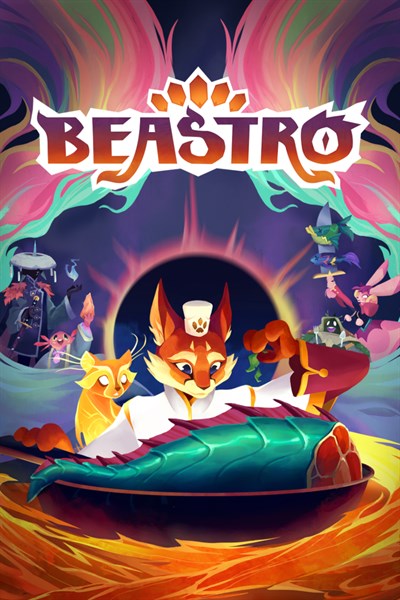
Palo Pori is a beautiful and peaceful village of artisans and tastemakers. Beyond the village’s protective wall, darkness has begun to stir. Ravenous monsters have claimed the land and threaten to sink their teeth into this final morsel of hope and happiness.
Players assume the role of Panko, a young, talented chef, helping to run the local eatery. When Panko’s teacher goes missing, a mysterious visitor arrives with warnings of the dangers beyond the wall. It’s up to Panko to step up and take over the restaurant, tending to ingredients and patrons. Panko also finds himself serving the Caretakers, brave adventurers sent to save the world. In this adventure, preserving peace starts in the kitchen!
FEATURES – WHAT’S ON THE MENU?
FROM TOWN TO TABLE
In Palo Pori, fresh is best! Gather ingredients and resources, care for animals, and grow your own fruit and vegetables to build up your very own cozy town-to-table restaurant. Forage for wild herbs and unlock new seeds to grow, expanding your meal options.
SERVING YOUR COMMUNITY
Chop, flip, and sizzle through mouthwatering mini-games as delightful dishes are prepared for the townsfolk. Good food is always better with company, so work hard to improve cooking skills and experiment with ingredients to keep patrons happy.
Tailor the restaurant to the community’s tastes, develop new meals, progress through a skill tree, and adjust the decor to increase the restaurant’s appeal.
FEED THE CARETAKERS
Players also need to feed the hungry Caretakers; these brave denizens of the land venture into the wilds to fight the ravenous monsters threatening Palo Pori’s peace. Each Caretaker hails from their own flavor region, affecting their tastes and preferences: some like it bitter, some like it sweet, and some are just looking to fulfill their craving of the day! Craft thoughtful meals and balance the flavor profiles to boost their spirits, sharpen their skills, and unlock new abilities. After all, who can save the world on an empty stomach?
DELICIOUS DECK BUILDING
Now it’s time to put meals to the test! This is where taste meets tactics. The dishes served will build a Caretaker’s deck – each ingredient unlocking a card. Once they’ve eaten, they’ll venture into the wilds to fight the monsters. Upon their return, they’ll recount their journey and play out their battles through a charming puppet theatre sequence. They might even bring back some MONSTEROUS ingredients from their ventures. Fight the monsters in turn-based deck building combat, inspired by traditional trick-taking card games. Outplay the monsters by matching their flavor magic or neutralizing it with a balancing card. Add an enhancing card to power up moves! Magic can turn the tables!
Utilize the unique effects of ingredients to put enemies to sleep, blow away their cards, and more, but be aware that opponents also possess special abilities. If not paying attention, players might get burned.
In this food-based fantasy adventure, it’s time to give peas a chance! Are you ready to get cooking?
Unlock the magic in food.
