


The recent leadership overhaul at Xbox has elicited a clear dichotomy of sentiments. There is genuine appreciation for Phil Spencer, whose tenure as CEO of Microsoft Gaming, despite its challenges, was marked by an undeniable passion for Xbox and video games. Conversely, there is significant apprehension regarding the future of Microsoft’s involvement in gaming.
This apprehension largely stems from Spencer’s successor, Asha Sharma, who transitions from the company’s CoreAI team to lead the Gaming division. Sharma’s background in artificial intelligence gives many pause, a feeling amplified by her complete lack of professional experience within the video game industry.
While this reaction might seem immediate, it is not entirely unfounded. Industry veterans recall instances where executives from unrelated fields, lacking knowledge or interest in games, left lasting negative impacts. Replacing a dedicated gaming advocate like Spencer with a tech executive who has no prior engagement with the gaming space understandably creates unease, especially at a critical juncture where Microsoft, despite its vast ownership of studios and publishers, appears to have lost a clear identity and strategy for Xbox.

However, a different perspective reveals potential flaws in this narrative. Spencer, despite his sincerity and passion, has overseen Xbox’s struggles, leaving it seemingly adrift after substantial publisher acquisitions. His predecessor, Don Mattrick, a lifelong games industry veteran, made critical strategic errors during the Xbox One launch from which the brand has not fully recovered. Interestingly, Xbox’s most successful period arguably occurred under Peter Moore, a sporting goods executive who initially had minimal knowledge of video games.
This suggests that passion, sincerity, industry knowledge, or a personal commitment to gaming are not, by themselves, sufficient for success as CEO of Microsoft Gaming. While these qualities are certainly beneficial, effective leadership and sound strategic decision-making can come from executives who may not personally engage with games in their leisure time.
The role Asha Sharma now occupies is arguably one of the most demanding in the industry. Leading Microsoft Gaming requires navigating the complex interplay between the needs of Xbox and its studios, and the broader strategic objectives of Microsoft’s top management, which are often misaligned. Success for Xbox leadership involves not only formulating and executing a competent gaming strategy but also ensuring company-wide alignment.
Historically, this has often led to the gaming division contorting its strategy to fit the wider company’s current obsessions. For instance, there was a period where Microsoft Gaming leadership consistently promoted the idea of Xbox games leveraging ‘the power of the cloud,’ not due to specific gaming innovations, but because Microsoft’s overarching goal was to expand its Azure cloud services.
Today, Microsoft’s primary focus is AI. Consequently, many speculate whether Sharma’s move from CoreAI is a strategic maneuver to integrate Copilot into every Xbox game and service.
While preparing for potential naivety, there is cautious optimism regarding this. Sharma’s appointment may not be solely an AI-driven initiative. Her public statements regarding the use of generative AI in the company’s gaming offerings are encouraging. It is difficult to believe that Microsoft, which aggressively promotes Copilot across its other products, would not encourage its game studios to adopt AI. However, Sharma’s tenure in the AI role was relatively brief, with most of her experience centered on product development and customer acquisition for consumer-facing services. This background, while still requiring a significant learning curve at Xbox, aligns more closely with the division’s current needs than that of an uncritical AI evangelist.
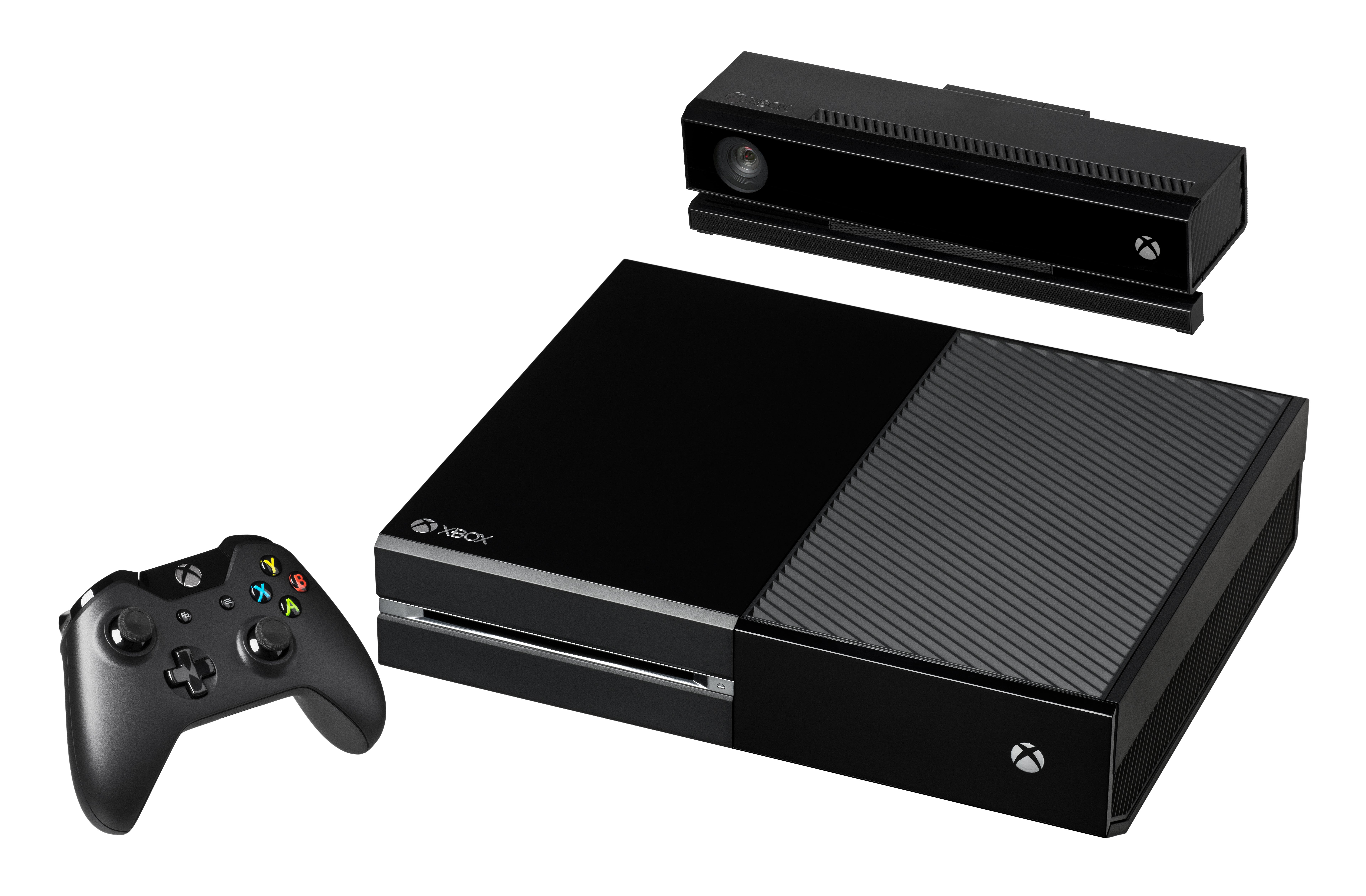
In the broadest sense, Xbox currently requires a clear, public refocus on its product, brand identity, consumer value proposition, and differentiation from competitors. An optimistic interpretation of Sharma’s appointment is that it signifies Microsoft’s recognition and acceptance of this challenge. Reports of senior management losing patience with the previous direction taken by Spencer and former Xbox president Sarah Bond (who also departed) are positive, as such impatience was necessary for the radical changes Xbox needs.
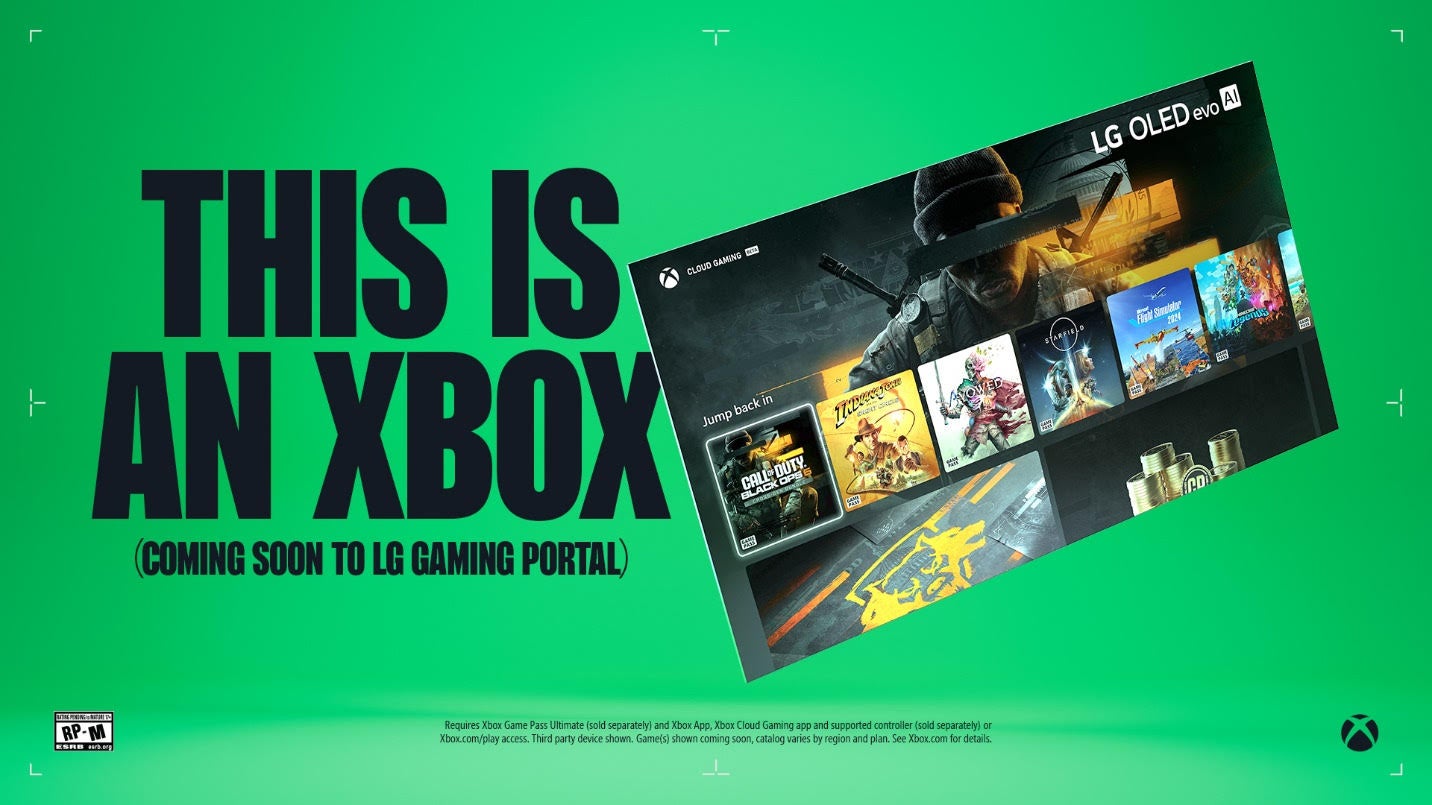
Their departure and Sharma’s arrival appear to mark the end of the problematic ‘This is an Xbox’ strategy, which confused consumers and undermined the company’s own hardware. Sharma’s emphasis on refocusing on hardware is a welcome development. This does not negate the significant challenges Microsoft faces as a console manufacturer, particularly concerning supply chain and pricing issues. Nevertheless, a genuine commitment to Xbox hardware – hopefully one that moves beyond the notion of next-gen hardware being merely an expensive Xbox-branded Windows PC, as previously hinted – indicates a willingness to confront these challenges rather than abandoning the Xbox brand to become a vaguely defined label for online services and third-party hardware.
This nebulous future was a real possibility for Xbox. However, the current sentiment from Microsoft surrounding Sharma’s appointment suggests that upper management recognizes and dislikes that potential outcome. Despite past missteps in managing its gaming division, Microsoft has invested nearly $100 billion into it. Beyond the financial commitment, there appears to be a genuine desire at the top of the company to ensure Xbox remains a healthy, competitive brand.
Aside from seeking a return on investments in companies like Activision Blizzard and Zenimax, Microsoft’s executives are acutely aware of the company’s declining image and relevance in consumer markets. Even Windows’ once-unassailable dominance on consumer devices appears more fragile, partly due to backlash against tight Copilot integration. Xbox stands as Microsoft’s most successful and positively perceived brand among many consumer groups, especially younger demographics.
This represents a substantial investment for Microsoft to protect in gaming: not just the $100 billion in acquisitions, but also 25 years of effort to cultivate a beloved consumer brand. This is a rare success for a company that has historically struggled in consumer markets (e.g., Zune, Windows Phone), making its preservation crucial.
Does this guarantee Sharma’s success? Not necessarily. It is an incredibly demanding role, and her limited experience in this sector means she likely has much to learn. However, her appointment signals a company ready to pivot from a failing strategy, and her initial public statements, taken at face value, indicate a desire to restore the Xbox business and rebuild its credibility among gamers. For now, a moment of optimism for this direction seems warranted, rather than immediately projecting negative ulterior motives onto the appointment.
