

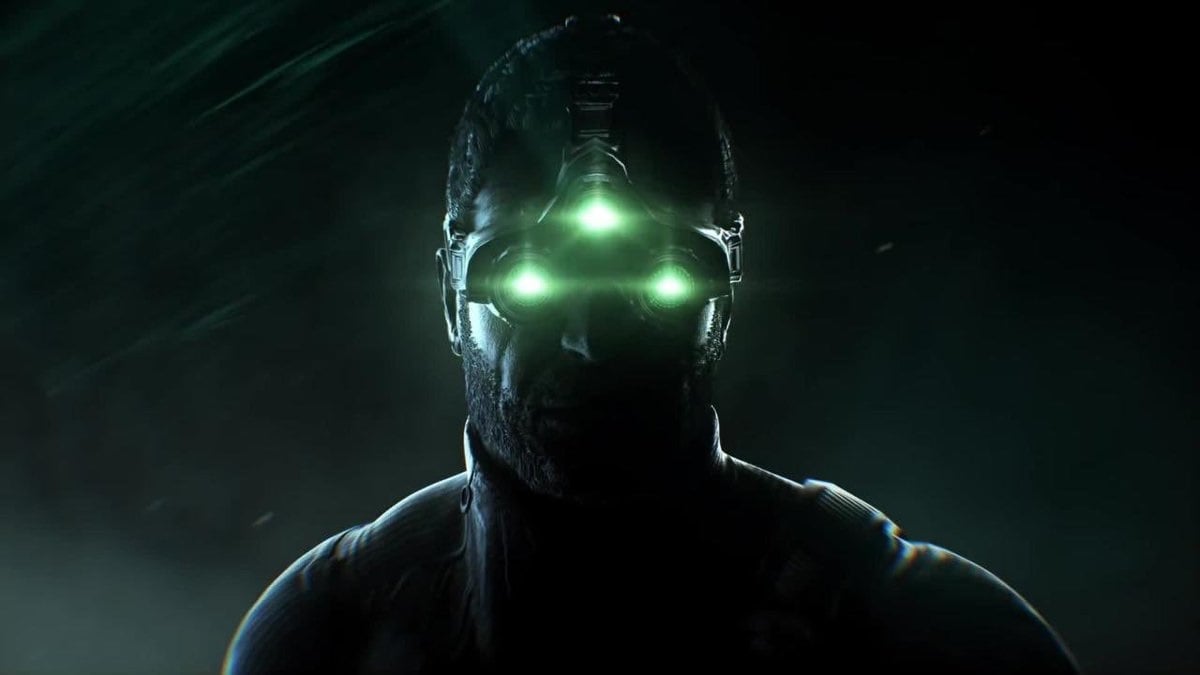

Ubisoft has acknowledged substantial job cuts at its Toronto studio, while asserting that the remake of the iconic stealth game, Splinter Cell, is still actively being developed.
The publisher confirmed approximately 40 employees, representing about 8% of the workforce, are being laid off at the Toronto studio. This studio is recognized as one of Ubisoft’s larger facilities, having previously developed titles such as Watch Dogs: Legion and Far Cry 6.
A spokesperson informed MobileSyrup that the decision was not made lightly and does not diminish the talent, dedication, or contributions of the affected individuals. The company’s immediate focus is to assist them through this transition with thorough severance packages and strong career placement support.
An internal email from Ubisoft stated that the Toronto studio will continue to be a vital contributor to various co-development projects and service teams. This includes the ongoing development of the Splinter Cell remake, a project initially announced in 2021 and which recently saw a director re-appointed.
When the remake was first announced, Ubisoft indicated that Splinter Cell would be rebuilt using the Snowdrop engine. This engine also powers games like The Division, Avatar: Frontiers of Pandora, and Star Wars Outlaws. The goal is to provide next-generation visuals and gameplay, along with the dynamic lighting and shadows that are a hallmark of the series.
The layoffs at Ubisoft Toronto are part of a series of recent reductions at the publisher. These follow a previously announced ‘major reset’, which aims to restructure creative teams into independent ‘creative houses’.
This restructuring also includes a cost-cutting initiative. To date, this has led to the cancellation of six games, the delay of seven others, and the closure of two studios.
Ubisoft has also put forward a proposal to eliminate up to 200 positions at its Paris headquarters in France, affecting approximately 18% of its staff. The company’s objective is to further decrease its fixed costs by €200 million within the next two years.
